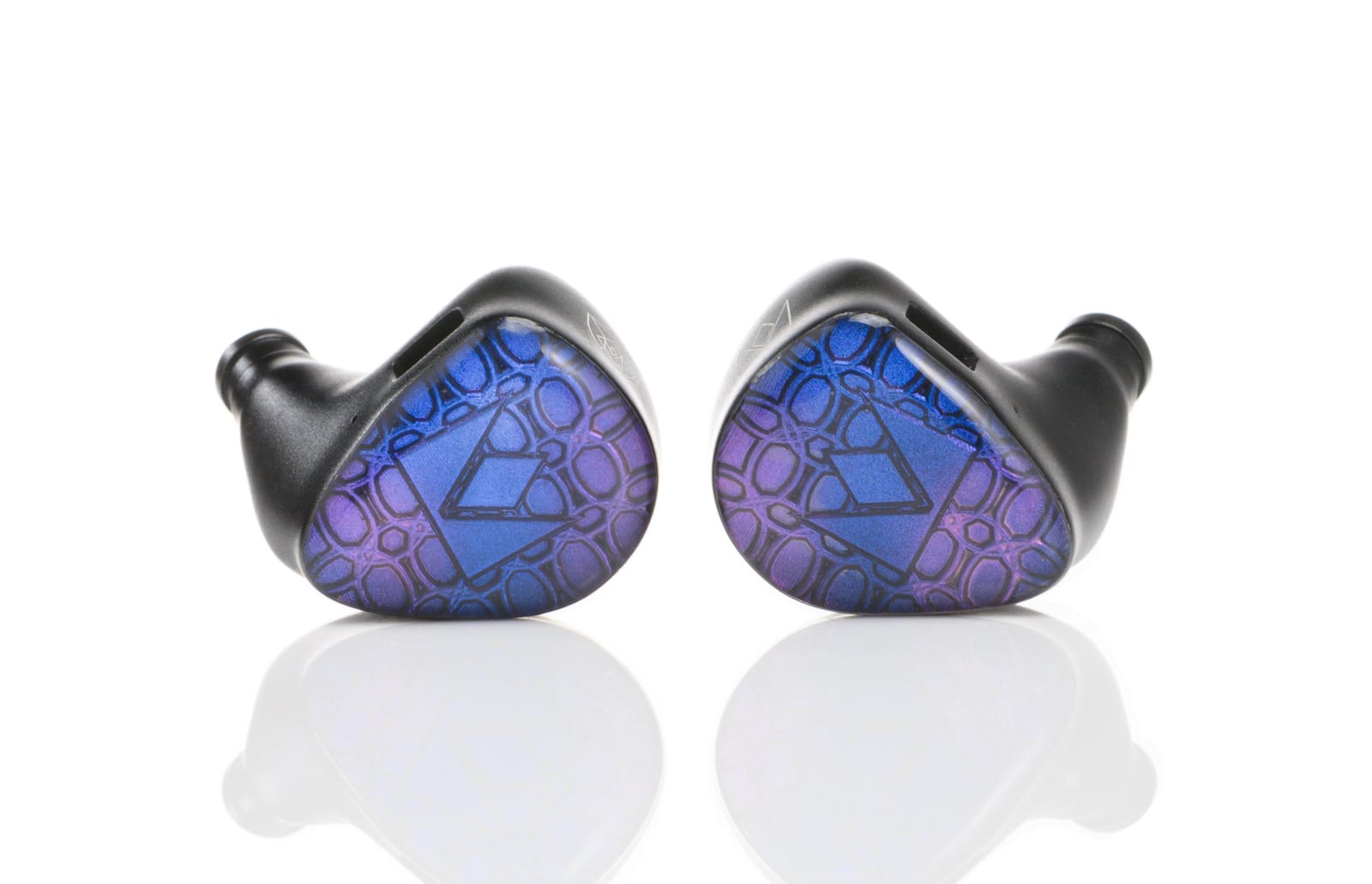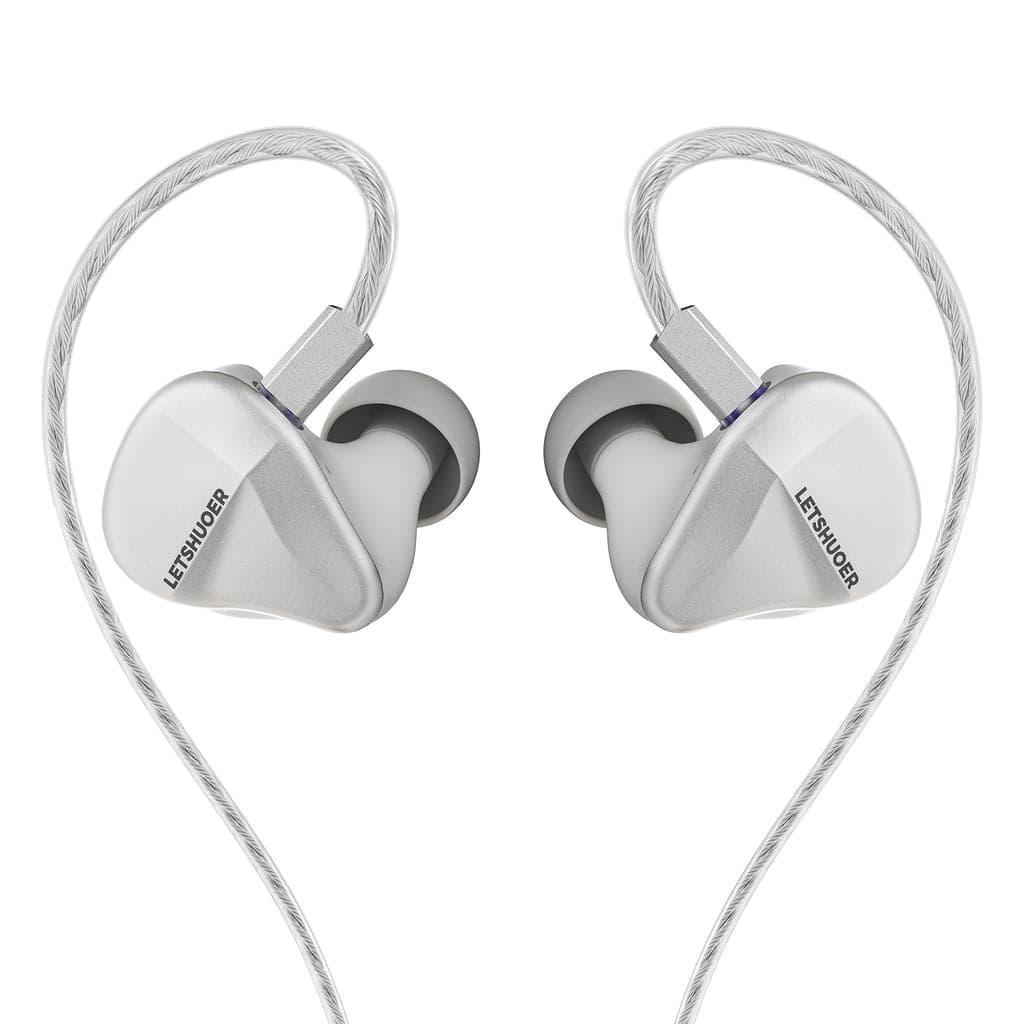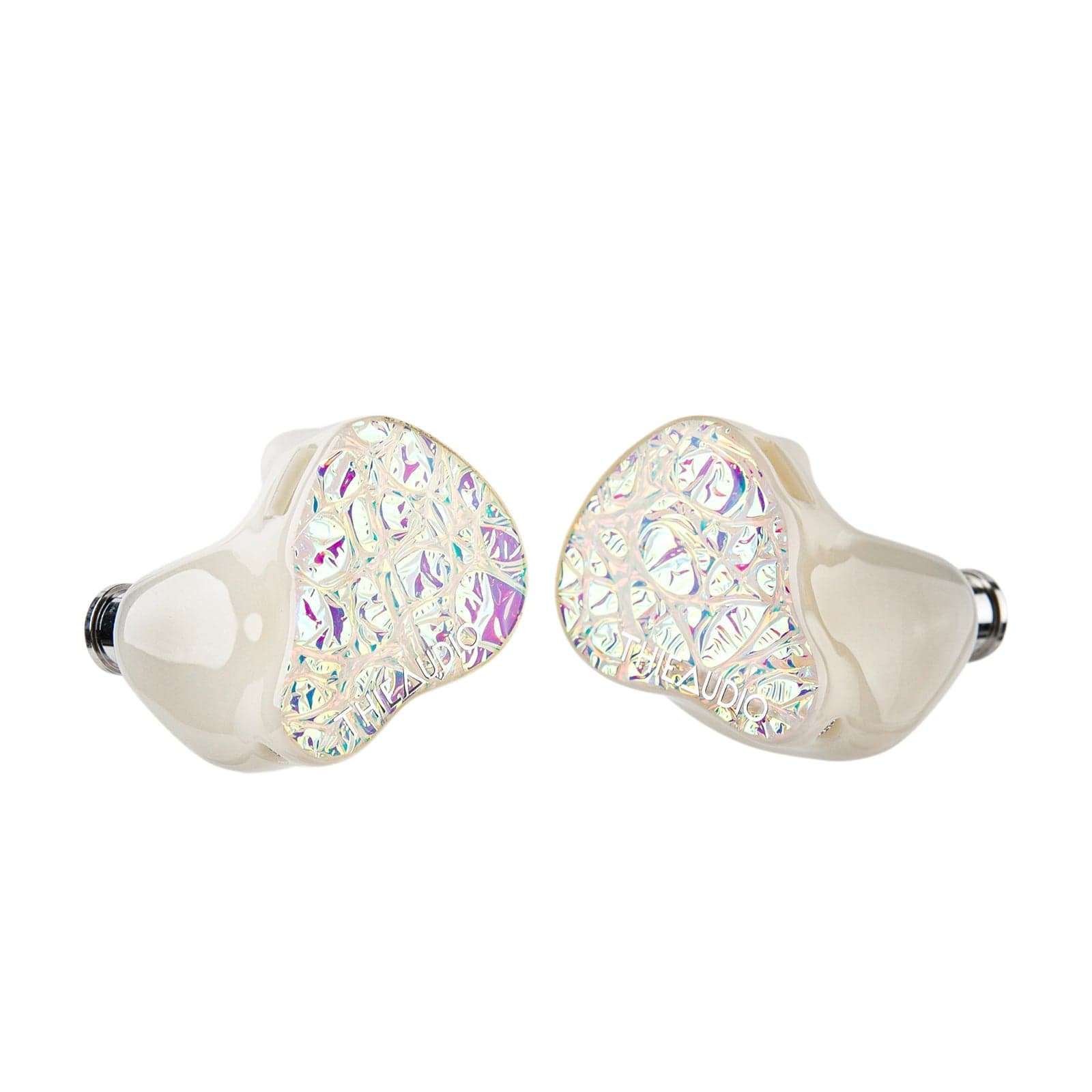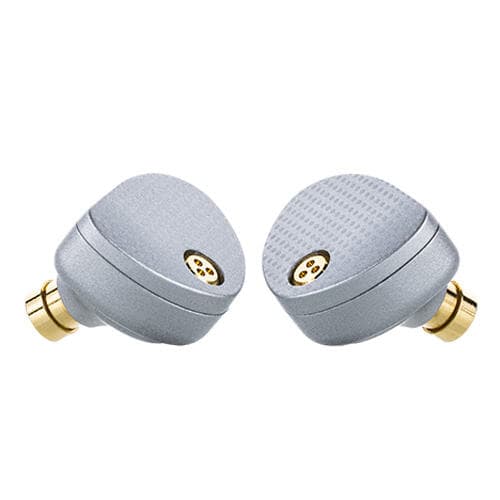
Product Finder

Find your next IEM, DAP, or amp, scored on the same six axes.

Every profile condenses approved reviewers, Head-Fi threads, and community consensus into one comparable snapshot: scores with notes, strengths and weaknesses, and measurements where we have them. Each source is cited, and its incentives are labeled.

IEMs

27published profiles

6 sources

Kiwi Ears

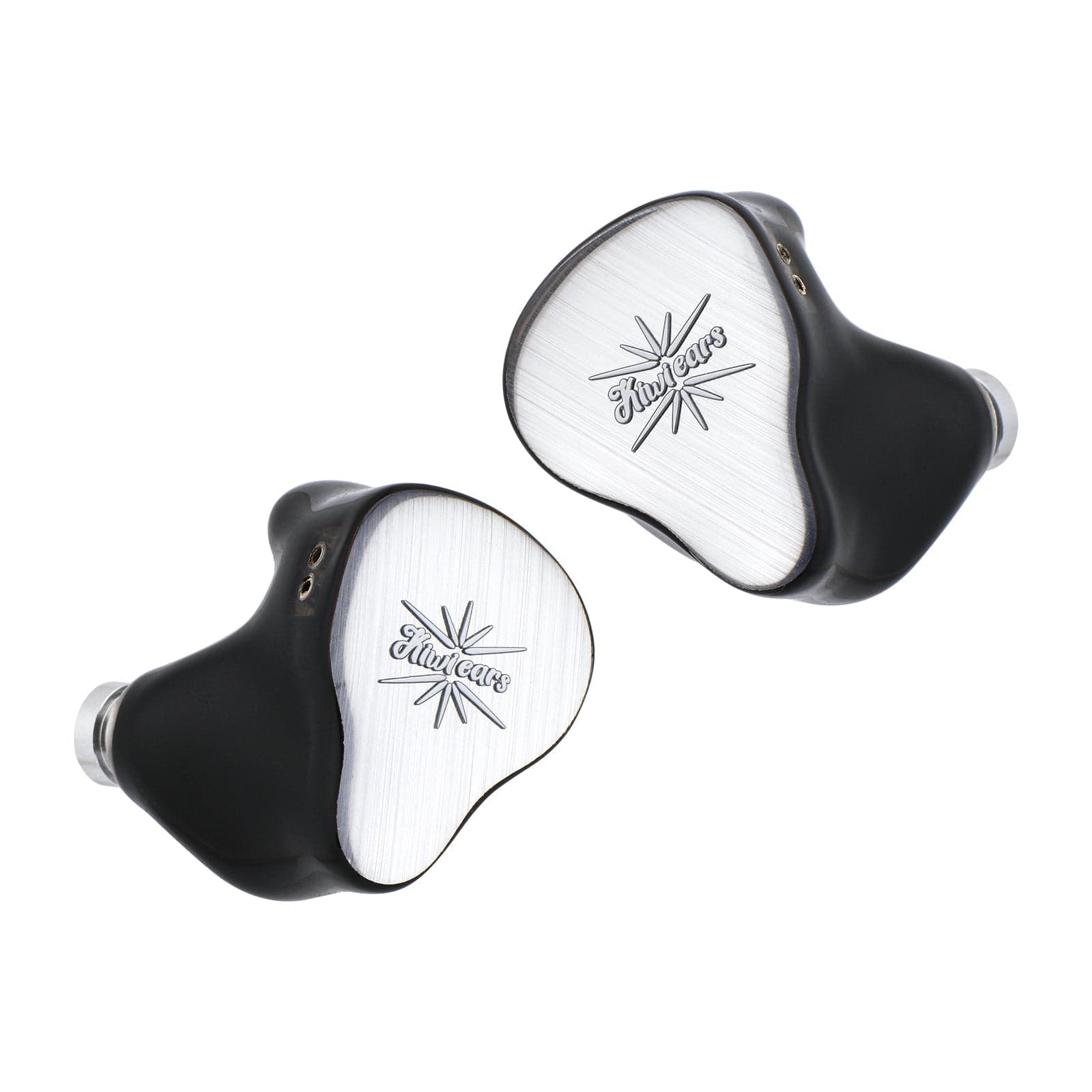
Kiwi Ears Quartet

The Kiwi Ears Quartet is a $109 hybrid with two 10mm dynamic drivers for the low end and two balanced armatures, in a lightweight resin shell with two rear switches that give four tunings. Bass is the headline: dense, deep and impactful with strong mid-bass, called the star of the set in one review. The cost is clarity higher up. Lower mids can sound veiled or muddy behind the bass, the upper mids and treble are relaxed and smooth rather than sparkly, and one account hears the whole presentation as dark and slightly compressed. Opinions split on how much the switches matter, from four distinctly different IEMs to modest changes, and on resolution, from surprising detail retrieval to a lo-fi, radio-like sound. One reviewer also hears upper peaks that make some vocals harsh, while others describe the treble as smooth and non-fatiguing. The soundstage is average, with decent separation. Comfort is praised, passive isolation is good, and it is easy to drive from a phone. It suits bass-forward, warm-sound listeners and electronic or modern pop playlists; listeners wanting a neutral or highly resolving IEM are pointed elsewhere.

  • Bass: 7.8, strongest axis
  • Mids: 6.6
  • Treble: 6.8
  • Technicalities: 6.6
  • Soundstage: 6.6
  • Value: 7.5
4 sources

Noble Audio

Noble Audio Knight

The Knight is Noble Audio's most affordable IEM at $289: a tribrid with a 10mm dynamic driver, a Sonion balanced armature and a piezo super tweeter in CNC-machined aluminium shells with an acrylic faceplate. Its identity is the midrange, described as rich, emotive and natural in timbre, with acoustic instruments sounding lush for the price. Bass is controlled and balanced rather than boosted, with limited sub-bass in one account and punchy mid-bass in others, but never bloated. Imaging is precise and placement easy to pinpoint, yet stage size splits opinion: large in one review, modest in dimensions in another, and deeper than it is wide in a third. Treble splits as well. One listener hears it bright with a raw edge and slightly sharp female vocals; others hear it smooth or slightly dark, with one noting no sibilance. Detail is good but not class-leading, with micro-detail slightly muted by the relaxed top end. It is easy to drive and the stock 8-strand cable is among the better ones at the price, but the cable ships with a 4.4mm balanced plug only and no adapter, there is no hard case, and the shells are large with long nozzles that may not suit small ears. The result is an easy recommendation for vocal and acoustic listeners who value tone over sparkle.

  • Bass: 7.5
  • Mids: 8.0, strongest axis
  • Treble: 7.1
  • Technicalities: 7.3
  • Soundstage: 7.4
  • Value: 7.8
4 sources

Kiwi Ears

Kiwi Ears Astral

The Kiwi Ears Astral is a $299 hybrid in-ear monitor with one 10mm bioceramic dynamic driver and six balanced armatures per side in a resin pseudo-custom shell. Its reputation rests on staging: imaging is described as precise and pinpoint, with good width and depth for the price, and one account calls it the most accurate soundstage that listener had heard. Treble is heard as clear and airy without harshness or fatigue, though one listener finds it on the polite side next to brighter rivals. The bass is where impressions part. One review calls it powerful and at times excessive; others hear a lifted sub-bass with a restrained mid-bass that costs punch, while another finds the mid-bass thud more satisfying than the sub-bass. The midrange splits too: warm and full-bodied in one reading, slightly thin in the lower mids and short of warmth in another, with vocals described as forward and natural. Fit is comfortable despite a wide shell, passive isolation is above average, and the modular cable with 3.5mm and 4.4mm plugs is praised, while the ear tip selection is called sparse. It is easy to drive from a phone or dongle. It is judged a strong technical performer for the money, with one verdict noting that it comes priced high against strong competition.

  • Bass: 7.4
  • Mids: 7.5
  • Treble: 7.9
  • Technicalities: 7.8
  • Soundstage: 8.2, strongest axis
  • Value: 7.6
6 sources

Moondrop

Moondrop Dusk

The Moondrop x Crinacle Dusk is a tribrid in-ear monitor carrying two dynamic drivers, two balanced armatures and two planar magnetic tweeters per side, rated at 14.5 ohms and 119dB/Vrms, and shipped with both a 3.5mm cable and a USB-C FreeDSP cable that arrives with a Crinacle preset already loaded. Reviewers agree on the low end: the bass shelf sits near 100 Hz, reaches deep with genuine tactility, and does not smear the lower mids. Almost everything above 500 Hz is contested. A measurement-led review reports 12 to 14 dB of excess energy around 14 kHz in analog mode, and several owner reviews list sibilance as the headline con. Staging splits the same way: wide and deep in one account, close to mono in analog mode in another. The DSP cable is the pivot point. Its default preset corrects a forward 1400 Hz region and repairs the staging, but the cable also carries a signal-dependent digital noise artifact and an Android-only app that frequently fails to connect.

  • Bass: 8.2, strongest axis
  • Mids: 7.4
  • Treble: 6.3
  • Technicalities: 7.0
  • Soundstage: 6.6
  • Value: 6.2
6 sources

Simgot

Simgot EW300

The Simgot EW300 is a roughly $70 tribrid: a 10mm ceramic composite dynamic driver, a 6mm planar and a piezoelectric ceramic tweeter inside a CNC machined metal shell, with two swappable nozzles (silver steel with a red O-ring, gold copper with a purple one). Reviewers agree on three things. Sub-bass reaches deep with real rumble and stays out of the midrange, the metal shell is light and comfortable and needs no amplifier at 28 ohms, and detail retrieval, separation and imaging land above what the price normally buys, which is why several reviewers name it a gaming pick. Almost everything above 1 kHz is contested. One camp hears a warm, slightly dark set whose treble lacks brilliance. Another hears a V-shaped, upper treble boosted set that turns sibilant or fatiguing on female vocals. The midrange splits the same way, lush and full against scooped, thin and clinical, and the nozzles are called anything from subtler than a tip swap to a drastic change. Two reviewers measured channel imbalance on their own units, one of them alongside a visibly misaligned internal component.

  • Bass: 7.4
  • Mids: 6.7
  • Treble: 6.8
  • Technicalities: 8.0
  • Soundstage: 7.0
  • Value: 8.4, strongest axis
6 sources

Simgot

Simgot EW200

The Simgot EW200 is a $40 single dynamic driver IEM built around a 10mm dual-magnetic, dual-cavity motor with a double-sided vapor deposited silicon crystal diaphragm, rated at 16 ohms and 126dB/Vrms, so a phone drives it fully. Reviewers agree on the outline: a bright Harman-leaning tuning, fast textured bass that stays out of the midrange, detail retrieval that overachieves for the money, and a small polished metal shell that fits almost any ear. Agreement stops at the top end. One camp hears extended treble with no harshness, crediting energy placed near 14 kHz instead of at 7 kHz or 9 kHz. The other camp finds it simply too much: one video reviewer scored it 6 out of 10 because foam tips tamed the glare for only a few songs. The midrange splits the same way, called full and natural by some and thin or nasal by others, traced in one coupler measurement to a 2-6 kHz lift sitting over lean lower mids. Soundstage reports run from wide and airy to narrow and flat. Owners repeatedly report tip-dependent driver flex and a finish that scratches.

  • Bass: 6.9
  • Mids: 6.6
  • Treble: 6.4
  • Technicalities: 7.2
  • Soundstage: 6.5
  • Value: 8.5, strongest axis
4 sources

Letshuoer

Letshuoer Cadenza 4

The Cadenza 4 is a $249 quad hybrid: a 10mm dual-chambered beryllium-coated dynamic driver paired with three balanced armatures, one Sonion and two Knowles. The midrange is the centre of gravity. It is described as natural and organic in timbre, articulate, detailed, with vocals placed slightly forward, and one review is titled around the midrange being the defining trait. The physical package draws steady praise too: 3D-printed resin shells with a machined aluminum faceplate are light enough to disappear over long sessions, passive isolation runs from strong to superb once the tips seal, and the bundled 392-strand silver-plated monocrystalline copper cable ships with swappable 2.5mm, 3.5mm and 4.4mm plugs. The disagreements sit around that midrange rather than in it. Bass quality is not in dispute (good definition, texture, clean sub-bass extension, no boom), but mid-bass punch is: one review flags a lack of impact as a con while others hear punch that is simply held in check, and quantity shifts with ear tip choice. Treble is smooth, rounded and non-fatiguing, and the upper treble is repeatedly described as rolled off, yet readings split on whether the top end still comes across as open and airy. Imaging draws opposing verdicts, and stage size is read as either wide and spacious or merely sufficient. The intended audience is not contested: this is not a bass-first or V-shaped set, and listeners chasing slam are pointed elsewhere.

  • Bass: 6.9
  • Mids: 8.1, strongest axis
  • Treble: 7.0
  • Technicalities: 7.5
  • Soundstage: 7.0
  • Value: 7.2
4 sources

ThieAudio

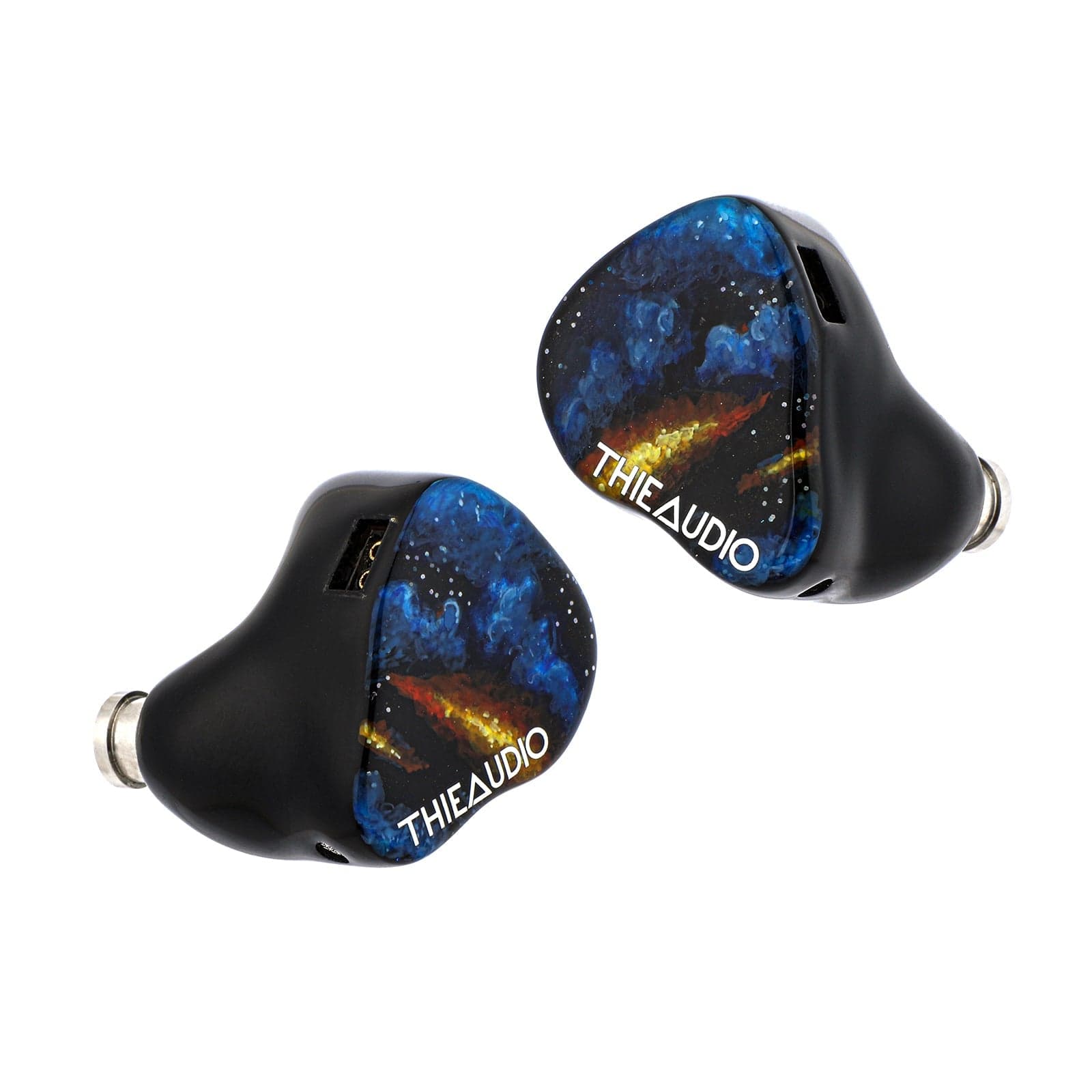
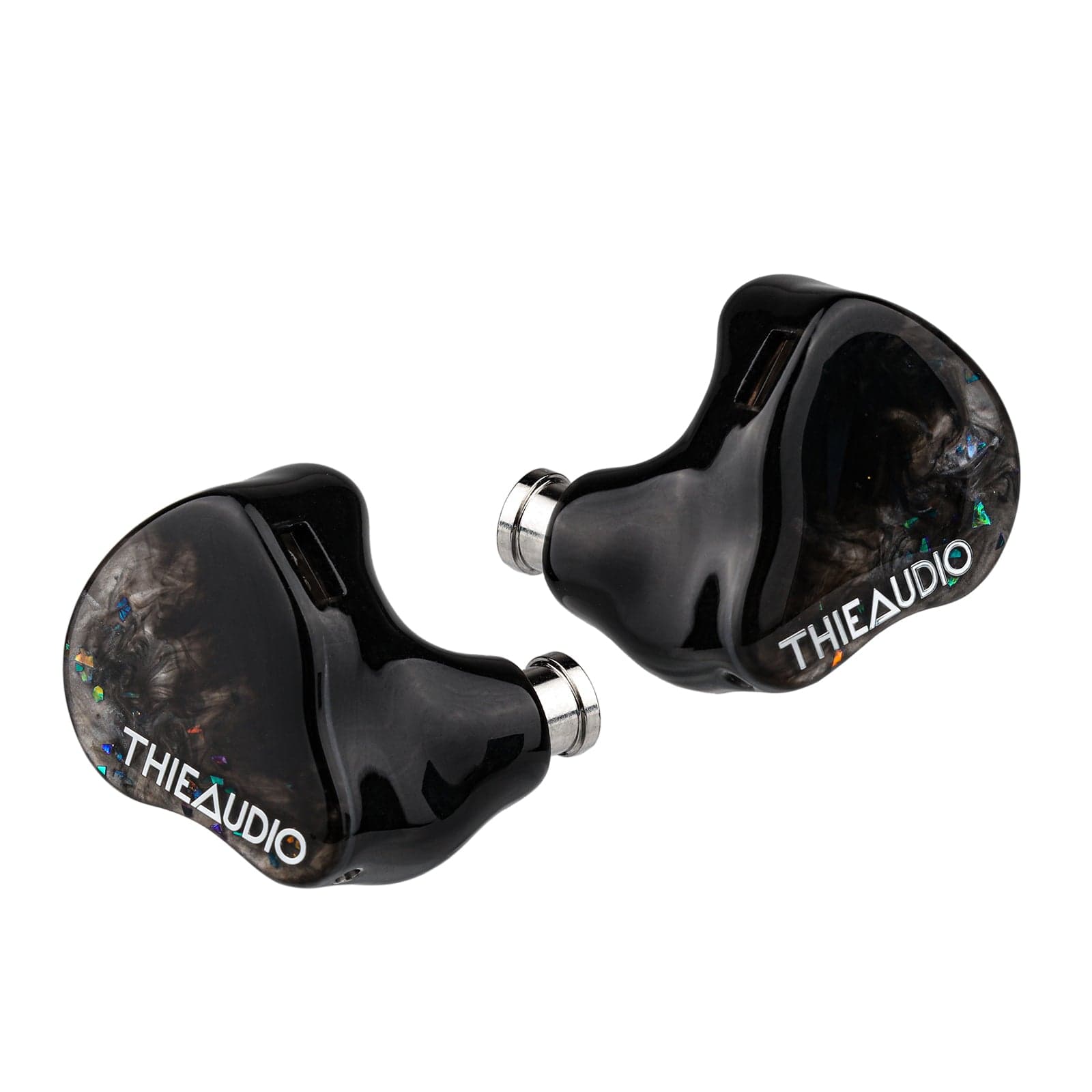
ThieAudio Hype 4

The Hype 4 is a $399 hybrid built around a pair of 10mm dynamic drivers working together on sub-bass under ThieAudio's IMPACT2 arrangement, with four Sonion balanced armatures covering mids and highs. Coverage settles on a warm-neutral all-rounder. The low end stays powerful and clean without bleeding into the midrange, the midrange has natural timbre and gives instruments realistic weight and body, and the treble carries detail and air without sharpness, harshness or shoutiness. That last point is why long sessions and poorly mastered tracks get described as easy going. Imaging precision is well regarded, though how exceptional the staging is depends on the account: one calls the stage impressively wide and holographic with imaging among the best at the price, another calls it adequately wide with decent depth and a step behind the pricier Hype 10. Bass impact is the sharper split, read as substantial and weighty in one account and as enjoyable but not hard-hitting in another, which warns dedicated bassheads outright. The recurring complaints concern the box rather than the sound: a 3.5mm-only cable with no balanced or modular option at this price, and a tip selection thin enough that the wider than average nozzle makes tip rolling close to necessary. A dongle or a phone drives it, but source character still matters, since a bright source can push it toward sharpness and a warm one can thicken it.

  • Bass: 7.5
  • Mids: 7.8, strongest axis
  • Treble: 7.6
  • Technicalities: 7.5
  • Soundstage: 7.7
  • Value: 7.4
5 sources

ThieAudio

ThieAudio Hype 2

The Hype 2 is the entry point of ThieAudio's Hype line, a quad-driver hybrid pairing two 10mm dynamic drivers in an isobaric arrangement with two Sonion balanced armatures. The most consistent praise goes to the low end: sub-bass reaches deep with genuine rumble and stays disciplined rather than bleeding or bloating into the midrange. The treble is the other settled point, tuned smooth and free of sibilance or peaky edges, with an audible roll-off that trades sparkle for comfort. Almost everything else is contested. The tonal reading ranges from bold, warm and bass-led to essentially neutral and slightly dark with linear bass that favors texture and body over punch. The midrange draws the sharpest split: one reading finds a veil over female vocals and dynamics that drop unpredictably into the background, producing a disjointed effect, while others hear clean, natural mids with vocals placed either forward or seated inside a warm mix. Technical performance splits along the same line, described on one hand as average staging with a small soundstage and detail below what a multi-driver set should give, and on the other as a wide, open stage with excellent separation and generally very high detail. Build is the least contested area: the 3D-printed resin shells show no manufacturing flaws, the accessory bundle is complete, passive isolation is strong, and the shells are large enough that fit is the main practical risk for smaller ears.

  • Bass: 7.8, strongest axis
  • Mids: 6.8
  • Treble: 7.0
  • Technicalities: 6.9
  • Soundstage: 6.6
  • Value: 7.1
5 sources

Simgot

Simgot EM6L

The EM6L is a 1DD+4BA hybrid tuned to the Harman 2019 curve, and the reviewers who checked that claim found the result close to the stated target. The physical package draws the least argument: a light resin shell with a polished aluminium faceplate, a finish described as looking premium against its entry-level pricing, and comfort that survives long sessions without fatigue. Where passive isolation was assessed, it was rated strong. The sound reads as easy-going rather than aggressive, with bass called clean and controlled instead of bloated, and treble that most accounts describe as smooth and non-fatiguing. Past that point, coverage genuinely splits. Some hear pinpoint, holographic imaging and detail that is high across the spectrum; one review calls the imaging vague and rates resolution slightly below average for the price. Reviewers also disagree about where the bass emphasis sits: one hears a sub-bass-led mild V that leaves the profile thicker and darker, others hear mid-bass carrying the punch and slightly overshadowing the lowest notes. The midrange divides the same way, polite and occasionally short on presence to some, nicely balanced with vocals pushed forward to others. The recurring criticism from listeners who want energy is engagement, since the set is repeatedly framed as relaxed and easy on the ears rather than dynamic or snappy.

  • Bass: 7.2
  • Mids: 6.8
  • Treble: 7.3
  • Technicalities: 6.9
  • Soundstage: 7.5, strongest axis
  • Value: 7.2
6 sources

Simgot

Simgot EA500LM

The EA500LM is a single dynamic driver IEM in an all-metal, mirror-finished shell, sold at about $89 with three pairs of screw-in tuning nozzles. The tuning is described as a balanced U-shape with elevation at both extremes: sub-bass extends deep and lands with punch, slam and chesty impact, and the treble is bright, airy and extended. Reviewers do not agree on what that treble costs. Some report occasional sibilance in the upper treble, female vocals turning a tad strained, a not-smooth and slightly peaky presentation, and fatigue over long sessions for treble-sensitive listeners. Others hear highs that stay clear, liquid and smooth and never turn harsh, piercing or sibilant. Bass definition divides them the same way: one read calls the low end thick, round and often bloomy and names it the weakest part of the set, while others find the sub-bass and midbass clean, defined and free of boominess. The nozzles are a third fault line. One measurement-led take found two of the pairs sounded and measured the same, and another reviewer skipped them entirely as making little difference to the sound profile, yet a third needed the gold pair before the upper mids stopped sounding overly present, harsh and fragile. Build quality, comfort and detail retrieval draw broad praise, while soundstage width is the attribute most often qualified. This is a strong budget dynamic driver whose agreeability depends on treble tolerance and on which nozzle is left installed.

  • Bass: 7.5
  • Mids: 6.8
  • Treble: 6.9
  • Technicalities: 7.4
  • Soundstage: 6.5
  • Value: 7.8, strongest axis
7 sources

Moondrop

Moondrop Aria 2

The Aria 2 is a single 10mm dynamic driver IEM whose most concrete gains over the 2021 Aria are physical: a milled zinc alloy shell, a replaceable brass nozzle, a modular cable terminating in both 3.5mm and 4.4mm, and a leather-style zip case. It is easy to drive, carrying manufacturer figures of 122 dB/Vrms and 33 ohms alongside an impedance curve reported as effectively flat, so source pairing is not a concern. Tuning is broadly balanced with a mild U shape. Bench measurement shows a dip near 500 Hz, a consistent lift of about 3 dB from 1 kHz to 3 kHz, and extra energy between 3.5 kHz and 6.5 kHz. That upper-midrange lift is the most complained-about trait, drawing repeated descriptions of shoutiness. Coverage splits sharply on bass: one reading hears it as noticeably deeper and more extended than the original Aria, another hears very little sub-bass gain and prefers the first Aria there. Treble draws the same fork, read either as comfortably tamed and short on sparkle or as energetic with an audible 7-8 kHz peak that can turn sharp. Staging is called impressive for the bracket in some listening and merely average in other listening, and a measured immersiveness sub-score of 3.8 was the weakest of its three audio sub-scores. Comfort is generally good, though at 11.8 g per bud very small ears and pressure-sensitive listeners were flagged as at risk. Verdicts range from a clear recommendation in the bracket to a lateral refresh where the packaging does the persuading.

  • Bass: 6.5
  • Mids: 7.0
  • Treble: 6.6
  • Technicalities: 6.8
  • Soundstage: 7.0
  • Value: 7.2, strongest axis
6 sources

Truthear

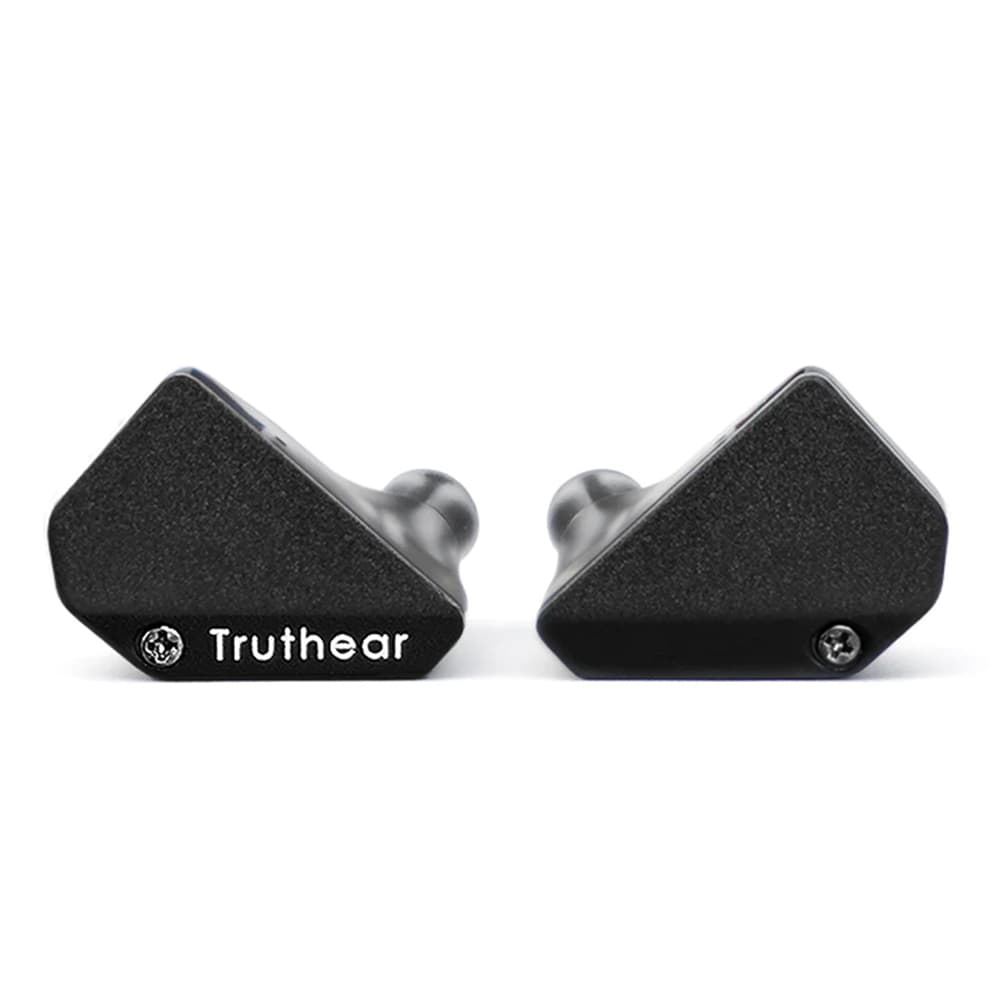
Truthear Zero Red

The Zero:RED is a dual dynamic in-ear (a 10mm driver for bass plus a 7.8mm driver for mids and highs) treated across the review record as a budget reference, not a novelty. A measurement writeup found the frequency response a very good match to its preference target with slightly less bass, distortion incredibly low even at 114dB SPL and improved over the original Zero, and sensitivity on the low side for an IEM, then added it to a measurement based recommended list. The midrange is where accounts converge: vocals are called clear, natural, and clearly defined, with enough upper-mid presence to push voices forward without harshness. The low end is sub-bass weighted, and the drop into the mid-bass gets credit for keeping instrument timbre clean, though one review hears a brief light slam followed by a prolonged decay and calls the upper bass short on definition. Treble is agreed to be safe and never bright, but reviewers split on whether that costs it air: one hears a significant roll-off above an 8kHz lift with no sparkle, another hears no sense of the upper ranges dropping off a cliff. Staging is called average in several accounts and above average in one. The sharpest split is source pairing: one review reports the set does not scale with high end gear and tells buyers not to stress about it, while another found the sound varied enough with amplifiers to withhold a general recommendation. The long nozzles are a non-issue for some ear shapes and an irritation for others. The accessory bundle, including a 10 ohm inline resistor that raises bass, is unusually complete here.

  • Bass: 7.2
  • Mids: 7.8, strongest axis
  • Treble: 6.6
  • Technicalities: 6.9
  • Soundstage: 6.7
  • Value: 7.6
4 sources

Truthear

Truthear Hexa

The Truthear Hexa is a hybrid in-ear monitor pairing a 10mm dynamic driver with three balanced armatures, sold at about $79.99 with a detachable 0.78mm 2-pin cable and a 3.5mm plug. The tuning sits at or near neutral rather than V-shaped, and a measurement-led review found the frequency response remarkably similar to that publication's own preference curve. The midrange is the most consistently praised region: vocals are described as clear, natural and transparent, though some listeners hear less life in them than they want. Resolution and instrument separation are called strong points for the price, while imaging is rated only average and can sound congested on busy passages. Opinion divides at both ends of the spectrum. The low end draws complaints that mid-bass is subdued and that the default balance wants more bass, yet another listener reports solid depth, body and impact from the dynamic driver. Treble divides the same way: some hear a deliberately safe, softened top with no glimmer or sparkle, while others point to an audible peak near 8 kHz that adds airiness, and to excess energy in the highs relative to a preference curve. Lower treble is described as dipped or rolled off. Stage width is the clearest shared limitation, called narrow, intimate and somewhat closed in. Shells are light 3D-printed resin with anodized aluminum faceplates, and comfort over long sessions is a recurring highlight. There is no microphone and no IP water resistance rating.

  • Bass: 6.5
  • Mids: 7.5
  • Treble: 6.9
  • Technicalities: 7.3
  • Soundstage: 6.1
  • Value: 8.2, strongest axis
2 sources

Simgot

Simgot SuperMix 5

The SuperMix 5 stacks five driver types (bone conduction, one dynamic, two balanced armatures, and a micro-planar) into a $219.99 set, and approved reviews agree the surprise is how coherent that recipe turned out. Coverage from Headfonics and MajorHiFi describes a balanced, detailed presentation across the spectrum with the bone-conduction unit adding body and texture rather than gimmickry. It reads as Simgot's move from bright-and-energetic house tuning toward a rounder all-rounder: the consensus praises its balance and engagement, while noting it stops short of flagship-level staging and that driver-count marketing invites skepticism the sound mostly, but not entirely, answers.

  • Bass: 7.9
  • Mids: 8.0
  • Treble: 7.8
  • Technicalities: 8.0
  • Soundstage: 7.6
  • Value: 8.2, strongest axis
1 sources

Kiwi Ears

Kiwi Ears KE4

The KE4 is Kiwi Ears' $199 hybrid built around a dual dynamic isobaric bass module plus two balanced armatures, and it became the community's shorthand for 'new meta' tuning: a warm-neutral target with elevated but tidy bass, natural mids, and deliberately safe treble. Approved coverage describes a nicely balanced, relaxing set with decent-to-good resolution for the price and better comfort than bulkier competitors like the Blessing 3. The flip side of the consensus: it is a tuning showcase rather than a technical one. Staging and detail are competent, not headline-grabbing, and treble-first listeners find it too polite.

  • Bass: 8.2
  • Mids: 8.3, strongest axis
  • Treble: 7.3
  • Technicalities: 7.7
  • Soundstage: 7.4
  • Value: 8.2
2 sources

Letshuoer

Letshuoer S15

The S15 is Letshuoer's 3rd-generation 14.8mm planar with a passive 6mm R-Sonic filter, and approved coverage agrees it deliberately walks away from the bright, energetic S12 formula. The consensus is a rich, smooth, warm-leaning planar that prioritizes body and listenability over raw detail: bass has real weight for a planar, mids are full and relaxed, and treble stays polite. Reviewers praise it as a fatigue-free long-session set, while the recurring criticism is that resolution and clarity are only moderate for $329 and listeners expecting an S12 successor's energy find it subdued.

  • Bass: 8.0
  • Mids: 8.1, strongest axis
  • Treble: 7.2
  • Technicalities: 7.5
  • Soundstage: 7.5
  • Value: 7.2
2 sources

7Hz

7Hz Timeless II

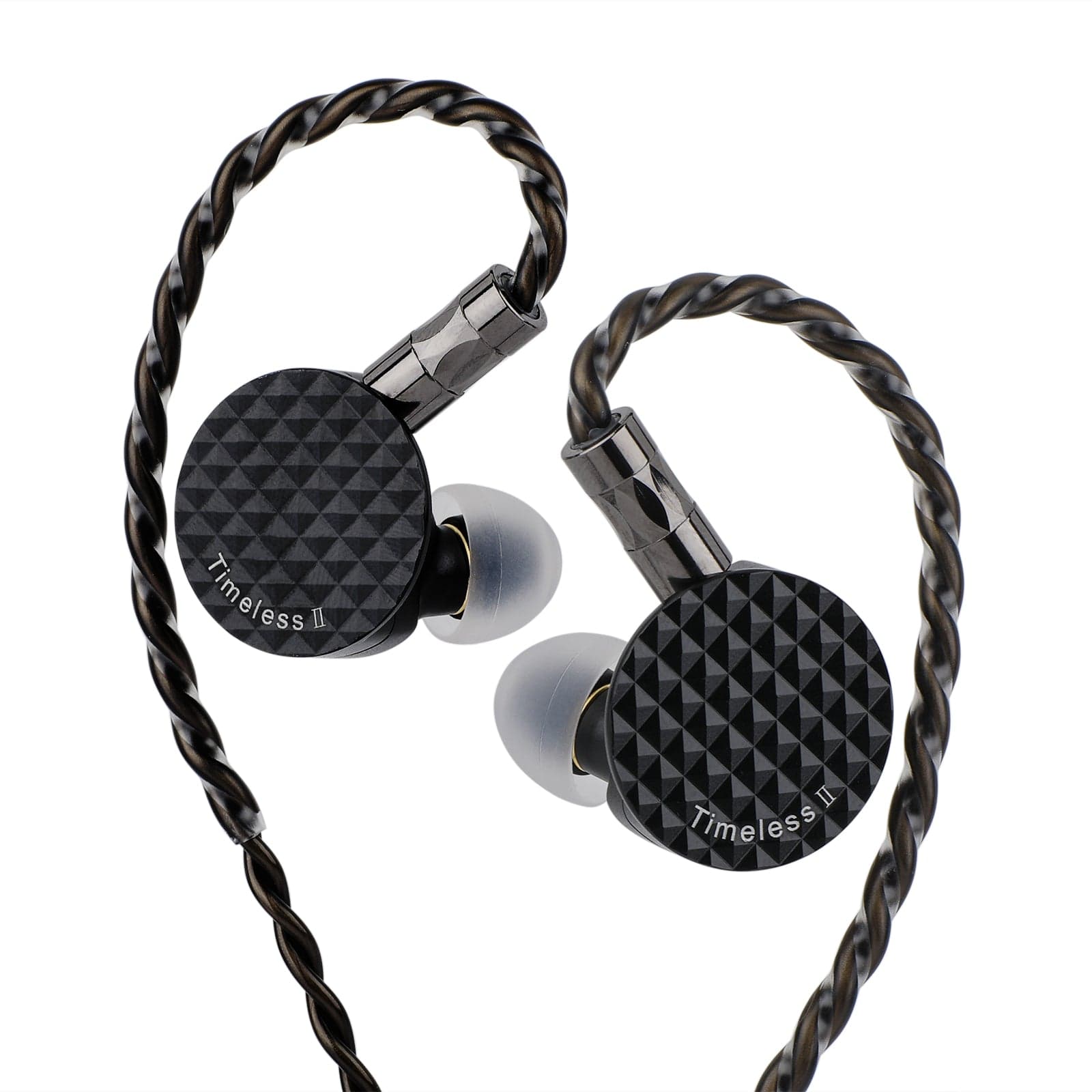
Approved coverage treats the Timeless II as a real second-generation effort rather than a rebadge: the dual-sided 14.5mm planar brings the punchy, fast bass the original was loved for, while the treble extends further and the stage opens up. The consensus verdict is that it is one of the strongest planar IEMs near $229, with the familiar planar caveats: upper-midrange energy that can turn edgy on bright recordings, and a large disc-shaped shell that not every ear tolerates. Compared with the original Timeless, reviewers hear a more refined, more extended, and slightly more expensive-sounding tuning, at a price that moved up alongside it.

  • Bass: 8.1
  • Mids: 7.6
  • Treble: 7.9
  • Technicalities: 8.4, strongest axis
  • Soundstage: 8.2
  • Value: 7.8
2 sources

FlipEars

FlipEars Arion

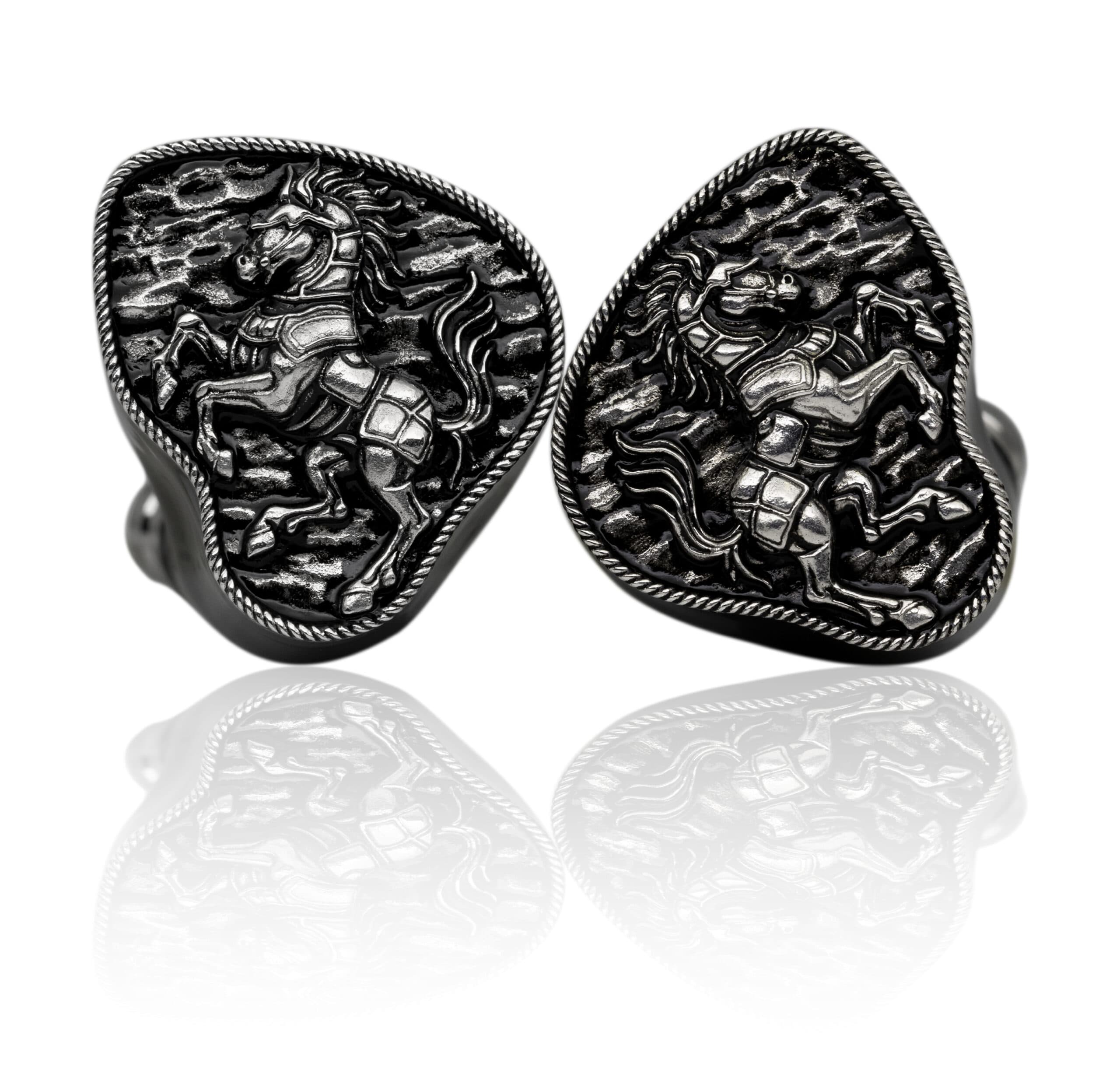
Approved coverage suggests the Arion is one of the more overtly physical and personality-driven flagships in this batch. MajorHiFi describes a large, engulfing stage, textured and forceful low end via bone conduction and dynamic driver combo, lush mids, and energetic highs that stay just on the safe side of harshness. Bloom’s product notes reinforce the same identity: the Arion is built around bespoke components, tactile bass impact, and showpiece craftsmanship. In practice that makes it feel like a luxury statement IEM for listeners who want scale, weight, and emotional punch before absolute neutrality.

  • Bass: 9.1, strongest axis
  • Mids: 8.6
  • Treble: 8.3
  • Technicalities: 8.7
  • Soundstage: 8.9
  • Value: 7.6
3 sources

Noble Audio

Noble Audio Onyx

Across Headfonia and Bloom’s approved coverage, the Onyx comes through as a premium, neutral-warm quadbrid that majors on polish, immersion, and textured low-end power rather than exaggerated V-shape theatrics. The bass is repeatedly described as strong and controlled, the mids clear and full, and the stage spacious enough to give flagship material a convincing sense of scale. The Onyx is also framed as an endgame-style listen with upscale build and presentation. Its compromises are predictable for the class: price is steep, and its character leans more toward refined fullness and immersive richness than aggressive excitement.

  • Bass: 8.8
  • Mids: 8.7
  • Treble: 8.6
  • Technicalities: 9.0, strongest axis
  • Soundstage: 8.9
  • Value: 7.3
3 sources

ThieAudio

ThieAudio Origin

Approved sources position the Origin as a bass-lover’s flagship that still avoids collapsing into one-note excess. Headfonia describes a quadbrid design with a very large sub-bass lift balanced by ThieAudio’s broader control, while Bloom’s genre-focused coverage highlights warmth, immersion, and strong low-end authority. Reddit impressions reinforce the same pattern: lush bass, cosy mids, EST sparkle, and a fun rather than hyper-analytical tuning. The Origin is not trying to be a reference monitor first; it is trying to make music feel big, textured, and engaging, with enough technical competence to keep the excitement coherent.

  • Bass: 9.2, strongest axis
  • Mids: 8.1
  • Treble: 7.9
  • Technicalities: 8.3
  • Soundstage: 8.8
  • Value: 8.0
3 sources

Empire Ears

Empire Ears Odin MKII

Current approved coverage treats the Odin MKII as a genuine summit-fi revision rather than a cosmetic refresh. MajorHiFi’s dedicated review and Odin comparison both point in the same direction: the MKII keeps the Odin line’s elite resolution and bass authority, but adds more sub-bass body, fuller mids, smoother treble, and slightly more immersive spatial layering. It remains a high-price flagship built around scale, grip, and precision, but the tuning now feels less sterile and more emotionally engaging than the original. The main caveat is value: it is still priced for committed flagship buyers, and its presentation remains more intense and performance-led than relaxed or easygoing.

  • Bass: 9.2
  • Mids: 8.8
  • Treble: 9.0
  • Technicalities: 9.5, strongest axis
  • Soundstage: 9.1
  • Value: 7.2
3 sources

FiiO

FiiO FX17

Approved coverage paints the FX17 as FiiO’s statement tribrid: highly revealing, spacious, and technically ambitious, but still tuned to keep its EST-heavy top end musical rather than sterile. Headfonics praises its transparency, layering, and expansive, tightly focused staging, while broader Headphonesty coverage on the driver-count arms race treats the FX17 as proof that complexity only works when execution stays coherent. Early Reddit discussion echoes the same talking points around grand stage, natural sound, and airy treble. The tradeoff is clear too: it is expensive, physically substantial, and aimed at listeners who want flagship detail and scale more than forgiving warmth.

  • Bass: 8.8
  • Mids: 8.7
  • Treble: 8.9
  • Technicalities: 9.2, strongest axis
  • Soundstage: 9.1
  • Value: 7.8
3 sources

Moondrop

Moondrop Blessing 3

Across approved reviews and community impressions, the Blessing 3 lands as a clean, technically adept hybrid IEM with standout imaging, separation, and a tighter, quicker low end than its predecessor. The consensus is that it is more resolving and controlled than overtly lush: bass is disciplined rather than heavy, mids are clear but can feel lean through the lower mids, and the upper-mid to low-treble region can turn shouty or sibilant on the wrong track or tip. When it clicks, it sounds spacious, precise, and refined for the price; when it misses, it tends to feel slightly clinical and physically bulky.

  • Bass: 7.7
  • Mids: 7.9
  • Treble: 7.4
  • Technicalities: 8.6, strongest axis
  • Soundstage: 8.3
  • Value: 8.3
2 sources

Sennheiser

Sennheiser IE 600

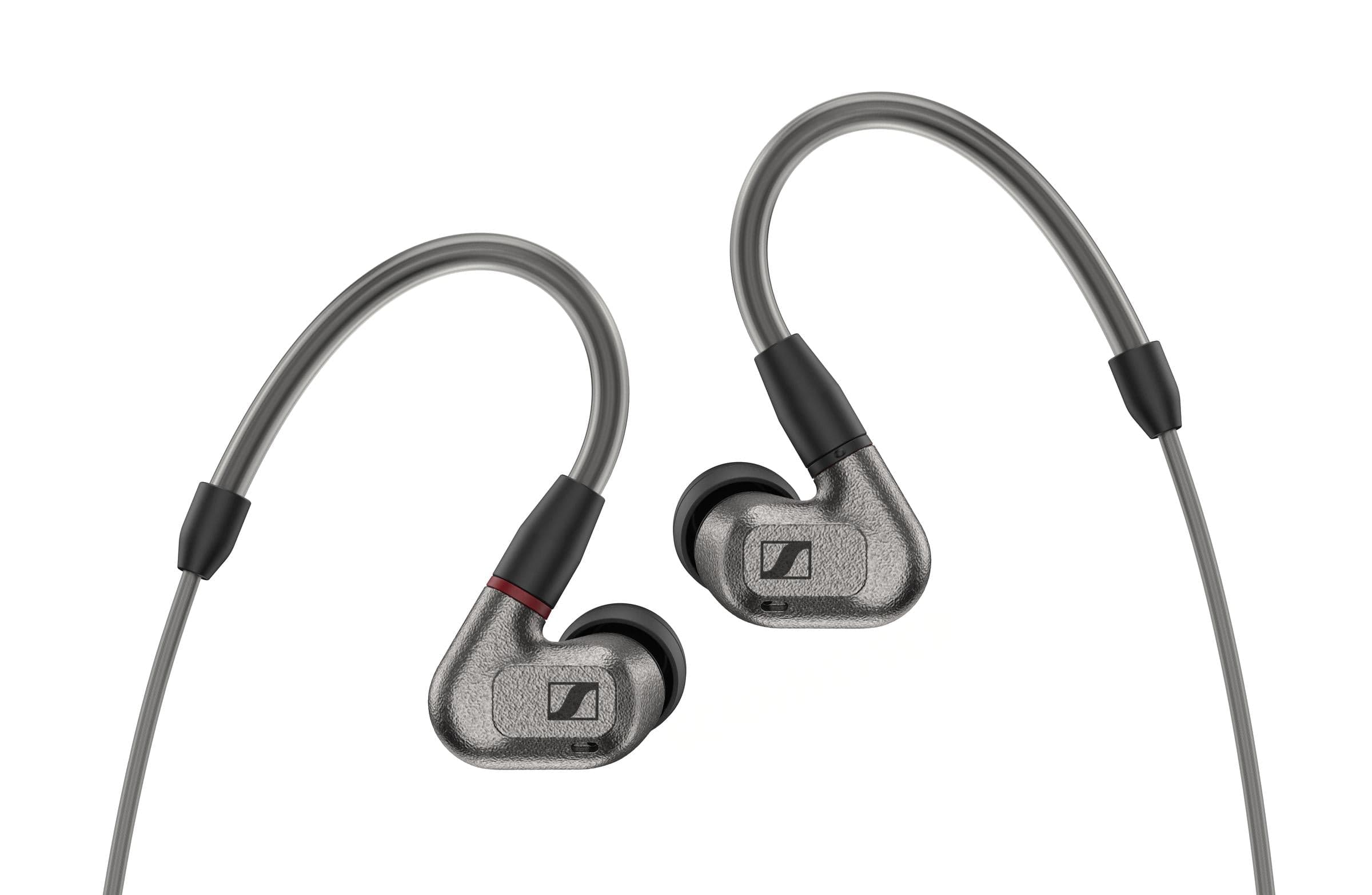
The IE 600 is Sennheiser's $699.95 statement that one excellent 7mm TrueResponse dynamic driver beats a driver-count arms race: a tiny amorphous-metal (ZR01) shell, featherlight fit, and a warm-neutral tuning with elevated but disciplined bass. Headfonics rates it the most credible-sounding Sennheiser monitor they had tested in a while (modern, relevant, engaging dynamic-driver tuning), and MajorHiFi's comparisons consistently pick out its precision, layering, and comfort against multi-driver rivals. Standing criticisms: single-DD staging is intimate rather than vast, the treble is refined rather than sparkling, and cable/fit accessories divide opinion more than the sound does.

  • Bass: 8.3
  • Mids: 8.4, strongest axis
  • Treble: 7.9
  • Technicalities: 8.2
  • Soundstage: 7.6
  • Value: 7.9
3 sources

Thieaudio

Thieaudio Monarch MKIII

The Monarch MKIII kept ThieAudio's kilobuck crown relevant: a $999 tribrid whose consensus reputation is built on exceptional spatial imaging and superbly textured, balanced delivery. Headfonics rates it an excellent multi-driver IEM with power, clear vocals, and very resolving staging; MajorHiFi hears the series' best refinement yet, with placement more concise than any prior Monarch and one of the best thousand-dollar packages overall: comfort, design, and stock cable included. The debates that follow it: the MKII remains on sale at the same price with a different (warmer) signature, unit fit is large-ish, and the energetic top end rewards clean sources.

  • Bass: 8.4
  • Mids: 8.5
  • Treble: 8.4
  • Technicalities: 8.7
  • Soundstage: 8.8, strongest axis
  • Value: 8.0
1 sources

Moondrop

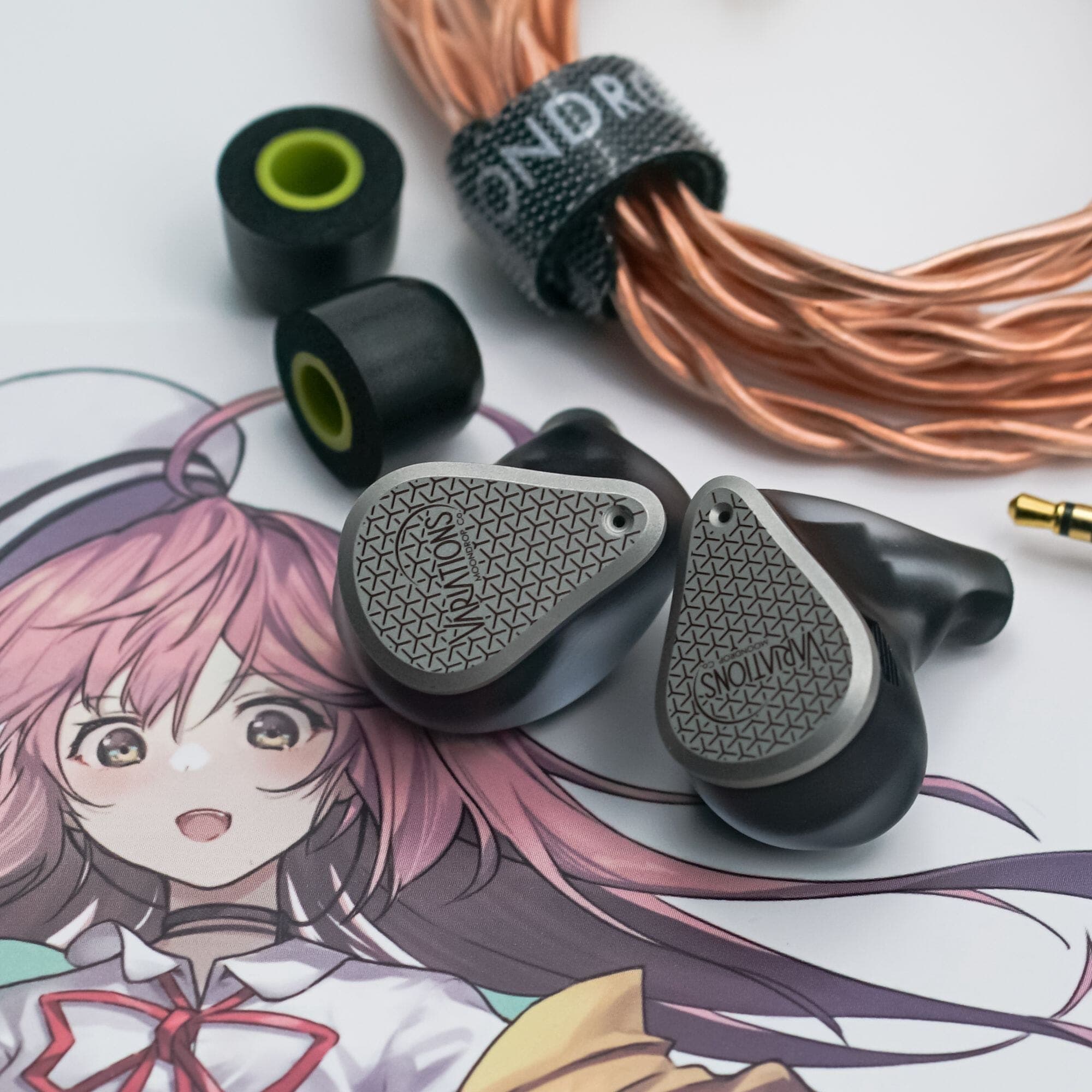
Moondrop Variations

The Variations is Moondrop's $520 tribrid (one dynamic driver, two BAs, and two Sonion electrostatic tweeters), and the model that defined the 'Blessing 2, but more' upgrade path. Headfonics hears a tasteful reinterpretation of the acrylic IEM blueprint whose EST top end adds a tonality the Blessing 2 lacks, and long-running community consensus made it the sub-$1k neutral-with-sub-bass reference of its era: clean mids, deep textured sub-bass boost, and airy, refined treble. Its weaknesses stayed stable across years of coverage: the sub-bass tuning demands good seal and amping to shine, upper-mid energy can fatigue the sensitive, and newer meta-tuned hybrids undercut it on price.

  • Bass: 8.6, strongest axis
  • Mids: 8.3
  • Treble: 8.4
  • Technicalities: 8.4
  • Soundstage: 8.0
  • Value: 7.9

Headphones

8published profiles

8 sources

Sennheiser

Sennheiser HD 620S

The HD 620S is a closed-back headphone built on a 42mm dynamic driver, listed at $349.95, rated 150 ohms and 110 dB/Vrms, and easy enough to drive that reviewers report full volume from a phone, an Apple dongle or a game controller. Three points are settled across the coverage: passive isolation is unusually strong for a sealed passive design, out-of-box clamping force is high and eases with wear, and the bass you actually hear depends heavily on seal. Everything else splits. One camp hears a near-neutral, HD 600 adjacent tuning with clean mids and a wide, natural stage for a closed back. The other measures and hears an asymmetric W-shaped response: strong sub-bass, a trough near 200 Hz, a 400-800 Hz hump that reads as boxy, a lower-treble recess and a mid-treble lift that leaves the highs sounding disconnected. A measurement-led review scored it 6.5 out of 10 with a 2.9 predicted-quality mean and called the price hard to justify, while a measurement forum still placed it on its recommended list. Detail and dynamics divide the same way.

  • Bass: 6.6
  • Mids: 7.2
  • Treble: 6.8
  • Technicalities: 6.9
  • Soundstage: 7.6, strongest axis
  • Value: 6.8
11 sources

FiiO

FiiO JT7

The JT7 is an open-back planar magnetic headphone sold under FiiO's Jade Audio sub-brand, built on a proprietary 95x86mm driver rated 18 ohms and 92dB/mW, weighing about 318g and folding flat for transport. Reviewers agree on three things: the mechanical design and comfort are unusually good for roughly $110 to $129, the bass is a genuine strength for an entry-level planar, and pad swaps move the tonality a long way. Past that the readings split hard. One camp hears a warm, full, slightly bass-forward headphone. Another hears and measures forward upper mids around 3-5 kHz, calling the stock presentation shouty and the treble blunted and uneven. Treble divides on the same line: airy and extended in several reviews, rolled off or troughed near 4-5 kHz in others. Drivability is contested too, from lean and harsh on portable dongles in one account to no measurable source dependency in another. The most serious single finding is mechanical driver clipping reported near 88dB SPL, audibly worse on one channel.

  • Bass: 7.6
  • Mids: 7.0
  • Treble: 6.6
  • Technicalities: 7.1
  • Soundstage: 6.8
  • Value: 8.5, strongest axis
5 sources

Sivga

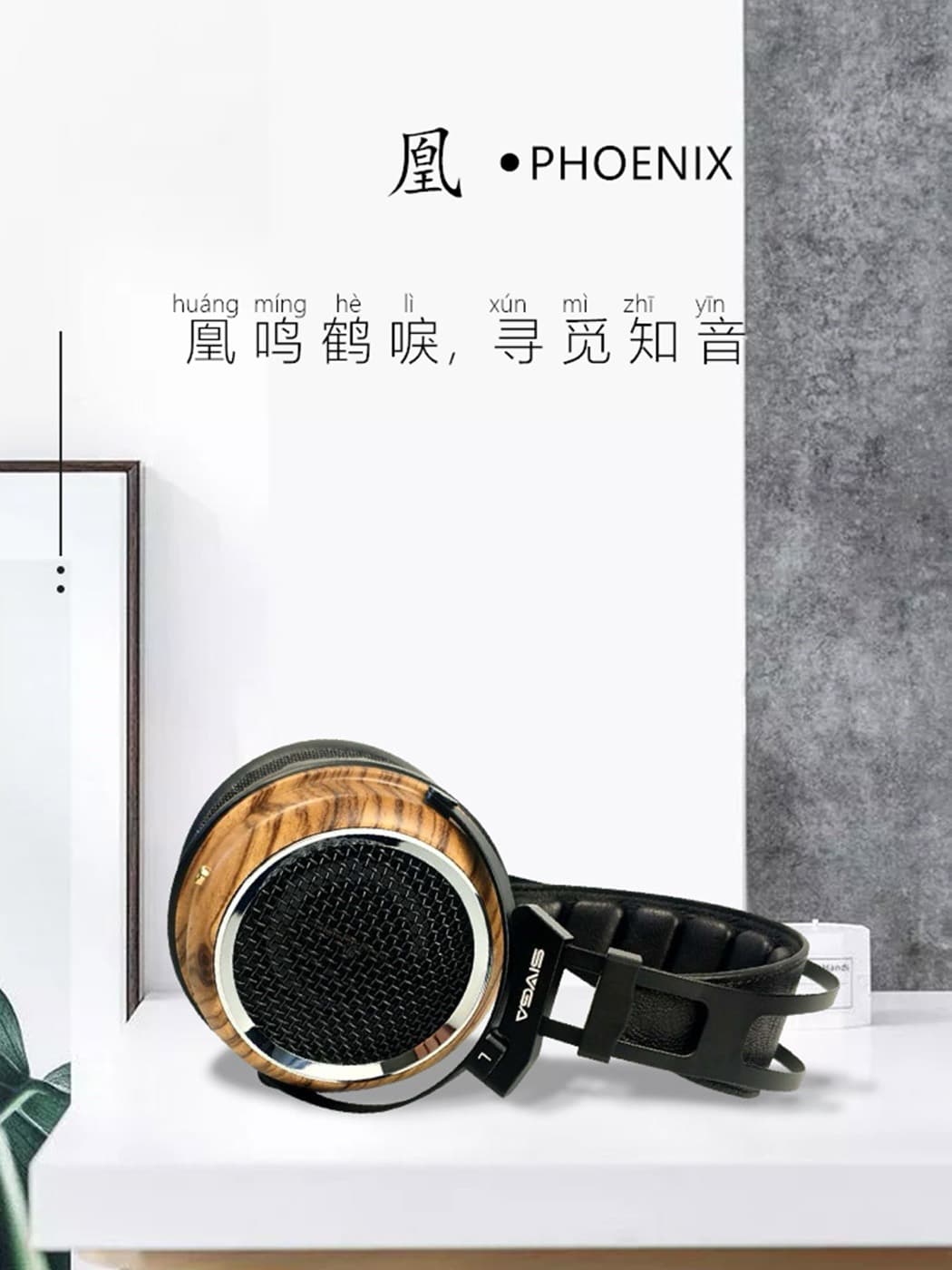
Sivga Phoenix

The Sivga Phoenix is a 50mm dynamic open back with CNC-machined zebrawood cups, stainless steel grilles and a listed 296g weight, and the physical product is the least contested part of it: premium materials with no visible flaws, a light clamping force, and a rated 32 ohm, 103 dB load that a phone or dongle drives without help. Tuning is where opinion divides. Listening-based reviews hear a warm, full-bodied signature: textured bass with sub-bass reach unusual for an open design, a lush and expressive midrange, and a treble that sits on the safe side of bright without fatigue. A measurement-based review reached the opposite conclusion, finding the response close to target only between roughly 100 and 500 Hz, with the emphasis concentrated at 200-300 Hz and a shortfall above, which it heard as dull and would not recommend in stock form. That same review reported a dramatic gain in tonal balance and spatial imaging once parametric EQ was applied. Soundstage width is also contested, called fairly modest and narrower than rival open backs in some listening and notably more expansive than a Sennheiser HD 600 in other listening. So are the stock pads, thin enough that one listener felt ears pressing against the driver covers after about an hour, while others logged multi-hour sessions without fatigue. Detail retrieval is a stated limitation: respectable, but described as neither the cleanest nor the most detailed at the price, with micro details sometimes going unnoticed.

  • Bass: 7.5, strongest axis
  • Mids: 6.8
  • Treble: 6.0
  • Technicalities: 6.5
  • Soundstage: 6.7
  • Value: 7.1
5 sources

Meze

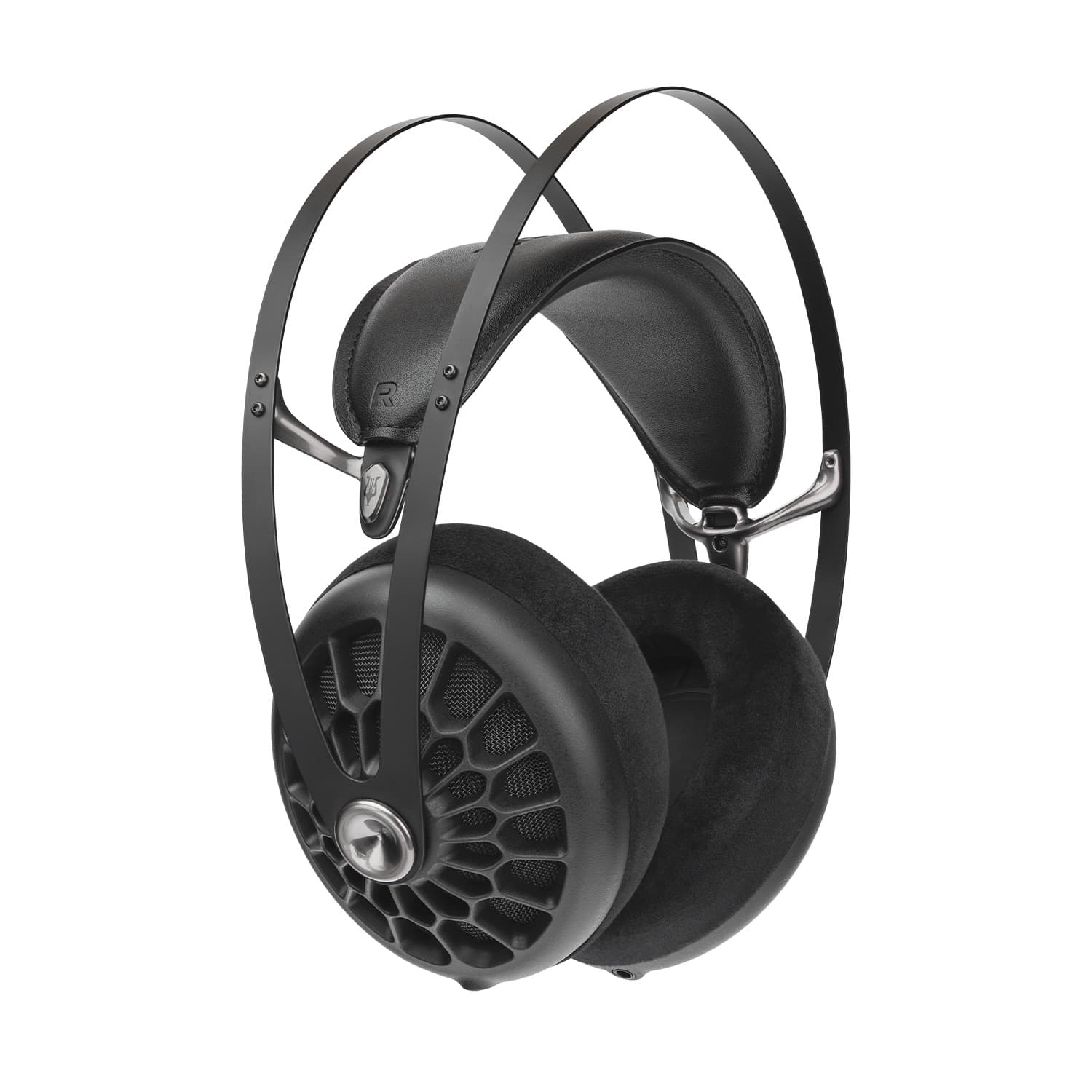
Meze 105 AER

Meze's lightest open-back at a rated 336 g, the 105 AER pairs ABS-PC earcups and a metal frame with a self-adjusting suspension headband and breathable velour pads, and it is built to come apart so worn parts can be replaced. Comfort and drivability are the traits reviewers keep returning to: rated at 42 ohms and 112 dB, it reaches loud, clean levels from a MacBook headphone jack or a small dongle, while dynamics, imaging and clarity firm up when it is given a better source. The tuning reads warm-leaning and forgiving, and the midrange is picked out as the high point: a clean bass-to-mid handoff climbing to a 3 kHz hump, natural timbre on acoustic instruments, and vocals that are intimate and full without shouting. Bass carries a light emphasis weighted toward midbass punch and holds structure rather than bloating, though how much sub-bass rumble is really there is disputed. Treble is the contested region: it is described as smooth and rolled off with a recessed 6 kHz that softens note attack and costs bite, and also as sparkly, crisp and a favorite quality. Staging divides the same way, called wide with good left-to-right spread on one hand and surprisingly narrow in stereo width on the other, while imaging and layering are treated as a strength either way. Against the 109 Pro at twice the money it is warmer, smoother and clearly behind on resolution, extension and sparkle. The single-ended stock cable is the recurring packaging complaint.

  • Bass: 7.2
  • Mids: 8.0, strongest axis
  • Treble: 6.3
  • Technicalities: 7.0
  • Soundstage: 6.7
  • Value: 7.2
4 sources

Focal

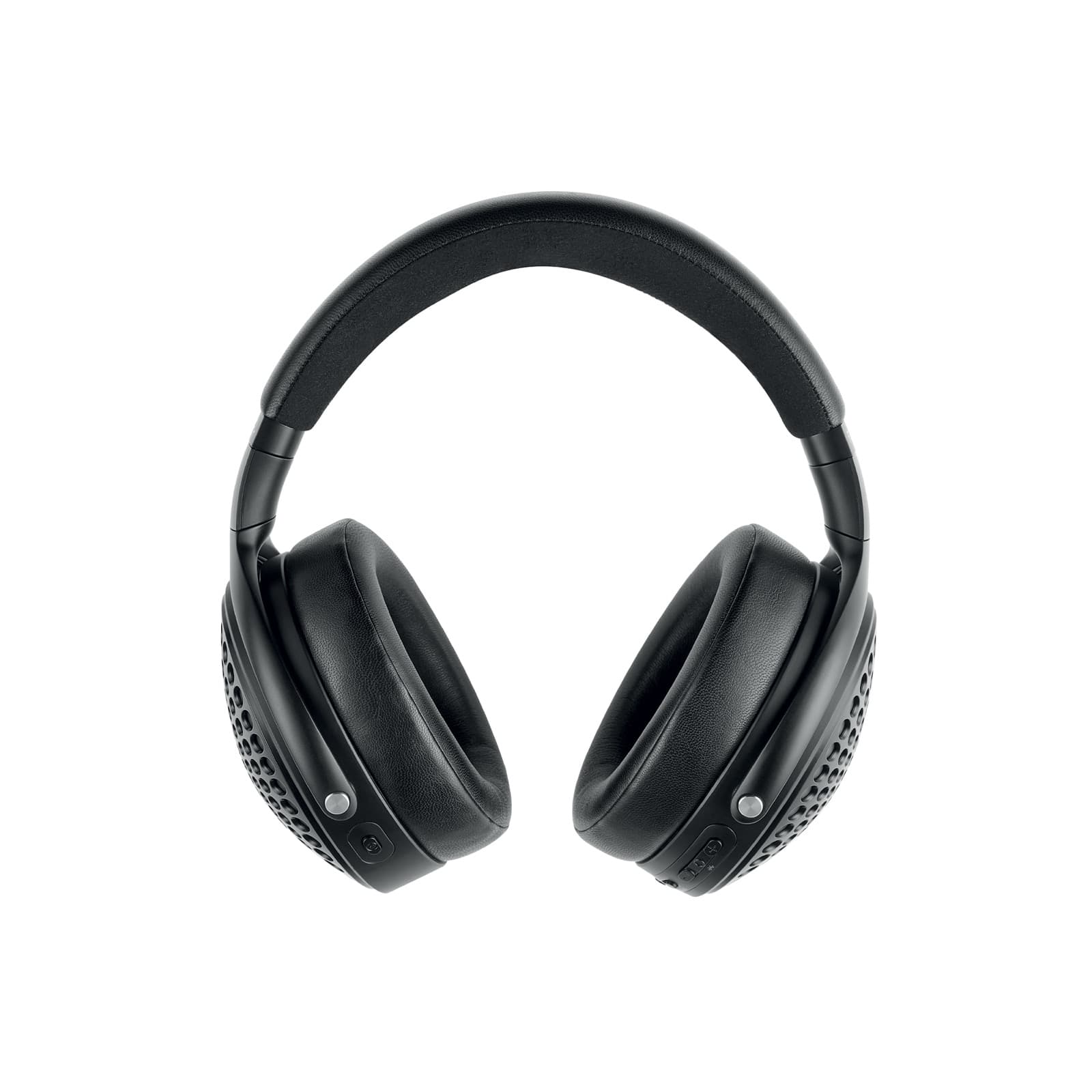
Focal Bathys

The Bathys is a closed-back wireless ANC over-ear built around a 40mm aluminium-magnesium M-shaped dome driver, and it is judged first on sound. The tuning follows a Harman-leaning philosophy: smooth and fairly dense, with a clean midrange called a standout in its class, vocals forward without shouting, and a top end that relaxes from about 4kHz so sparkle is limited while sibilance is effectively absent. Bass is where accounts split, between a lifted shelf peaking around 50Hz that reads as powerful and punchy, and a low end described as subdued, or as deep sub-bass rumble that reserves itself rather than dominating. Staging divides the same way, from among the best heard on a Bluetooth over-ear to a rounded, intimate space whose distance portrayal leaves something to be desired. Running the headphone over USB-DAC instead of Bluetooth tightens the low end, adds treble bite and enlarges the stage. Build draws less argument: magnesium yokes, an aluminium headband, leather and memory foam pads, 350g, and no creak in the articulation. Noise cancelling is strong below roughly 1-2kHz and lets more midrange and voice through, and it is placed behind the Sony, Bose and Apple flagships, with low-frequency attenuation measured close to 20dB. There is no LDAC and no passive mode, so a flat battery means silence. Price is the standing objection: it launched at $799, and one verdict is that less expensive alternatives cover most of the same ground.

  • Bass: 7.4
  • Mids: 7.9, strongest axis
  • Treble: 7.0
  • Technicalities: 7.8
  • Soundstage: 7.2
  • Value: 5.9
5 sources

HiFiMan

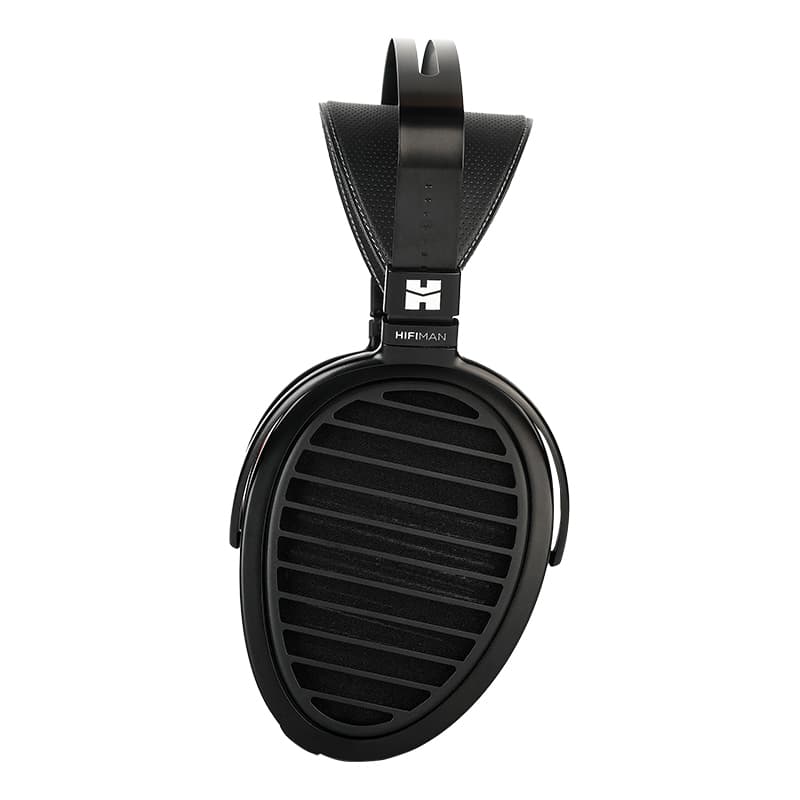
HiFiMan Arya Organic

The Arya Organic is the fourth variant of HiFiMan's Arya, and reviewers read it as the warmer, more forgiving voicing in the line rather than a straight technical upgrade. The midrange draws the most consistent praise: vocals sit forward and textured, described as exceptionally realistic with minimal sibilance, and instruments hold their own tonal character. Bass reaches deep and stays fast and controlled, with more weight and sub-bass impact than the earlier Arya versions, but it is tuned flat rather than boosted, and reviews warn that hip-hop and EDM listeners will want more. Two real splits remain. On soundstage, some reviewers report the headspace shrank against earlier Aryas in exchange for tighter, better defined placement, while another argues it recovers width the V3 had given up. On treble, some hear an audible upper-frequency emphasis that glistens or reads slightly bright, while another says it gained definition rather than level. The reviews that address harshness rule it out. Comfort is a repeated strength: large asymmetric oval cups, a suspension headband, and clamp that stays easy over long sessions at a rated 440g with cable. The bundle draws repeated criticism, a single 6.35mm cable in plain cardboard for a headphone that launched at $1,299. Discounting since launch has pushed the street price far below that figure, which is the main reason it still competes.

  • Bass: 7.2
  • Mids: 8.2, strongest axis
  • Treble: 7.4
  • Technicalities: 7.9
  • Soundstage: 7.6
  • Value: 6.9
4 sources

Sennheiser

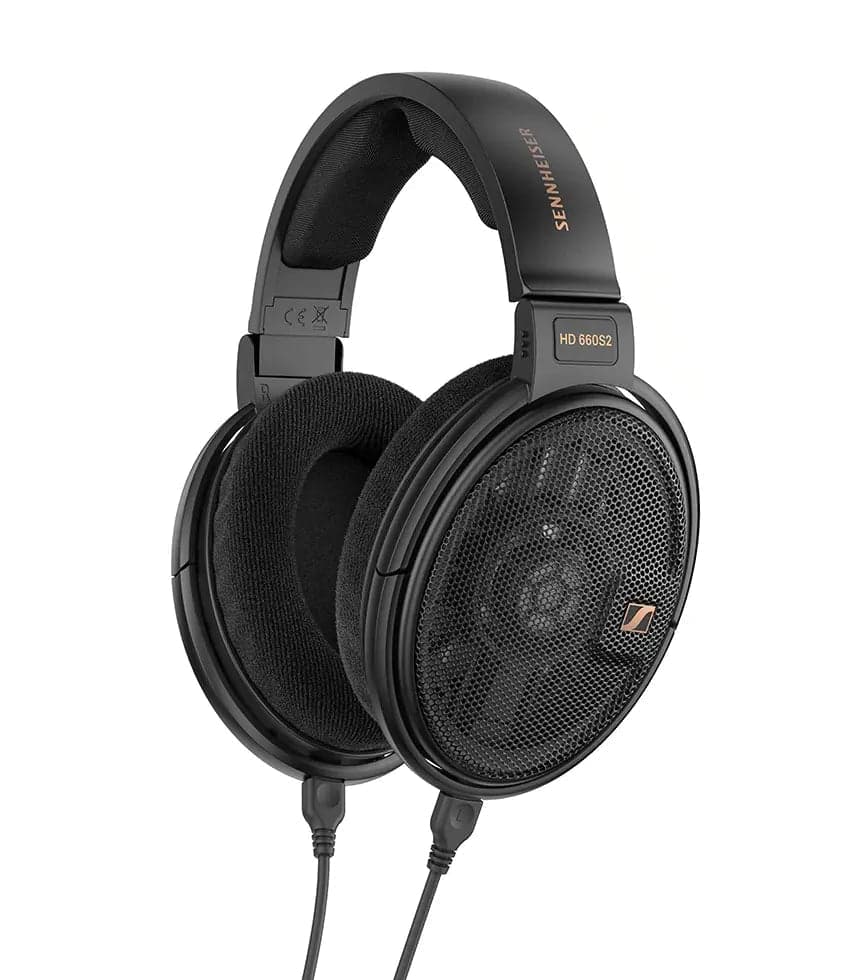
Sennheiser HD 660S2

The HD 660S2 is a driver-level revision of the HD 660S rather than a new headphone. The voice coil was reworked and impedance moves to 300 ohms, matching the HD 600 and HD 650. The low end is the headline change: sub-bass extends further and the mid-bass carries more body than the predecessor, with the missing fundamental in lower-register instruments described as finally present. The tuning still stays measured rather than bass-forward, and it is explicitly not aimed at bass-heads. Tonally it sits between the HD 600 and HD 650 with a lean toward the HD 650, cleaner through the mids than the HD 650 and less forward than the HD 600. Treble is where reviewers split: one account hears considerably more bite, sizzle and crispness than the original without harshness, while another frames the profile as relaxed and deliberately not treble-emphasized. Staging is reported as taller and deeper with more precision than the predecessor, though the presentation is still called intimate rather than expansive. A dip through roughly 3-5 kHz is flagged for dimming detail on some tracks, with a few dB of parametric EQ offered as the remedy. The chassis, velour pads and headband carry over unchanged, and the packaging is judged a downgrade. Value is the real fault line: at a street price near $500 one verdict reads it as a clear technical step up on the HD 660S, while another concludes it does not differentiate itself from cheaper models in the same family and tells existing HD 660S and HD 600 owners to save their money.

  • Bass: 7.5, strongest axis
  • Mids: 7.0
  • Treble: 7.0
  • Technicalities: 7.4
  • Soundstage: 7.0
  • Value: 6.3
1 sources

FiiO

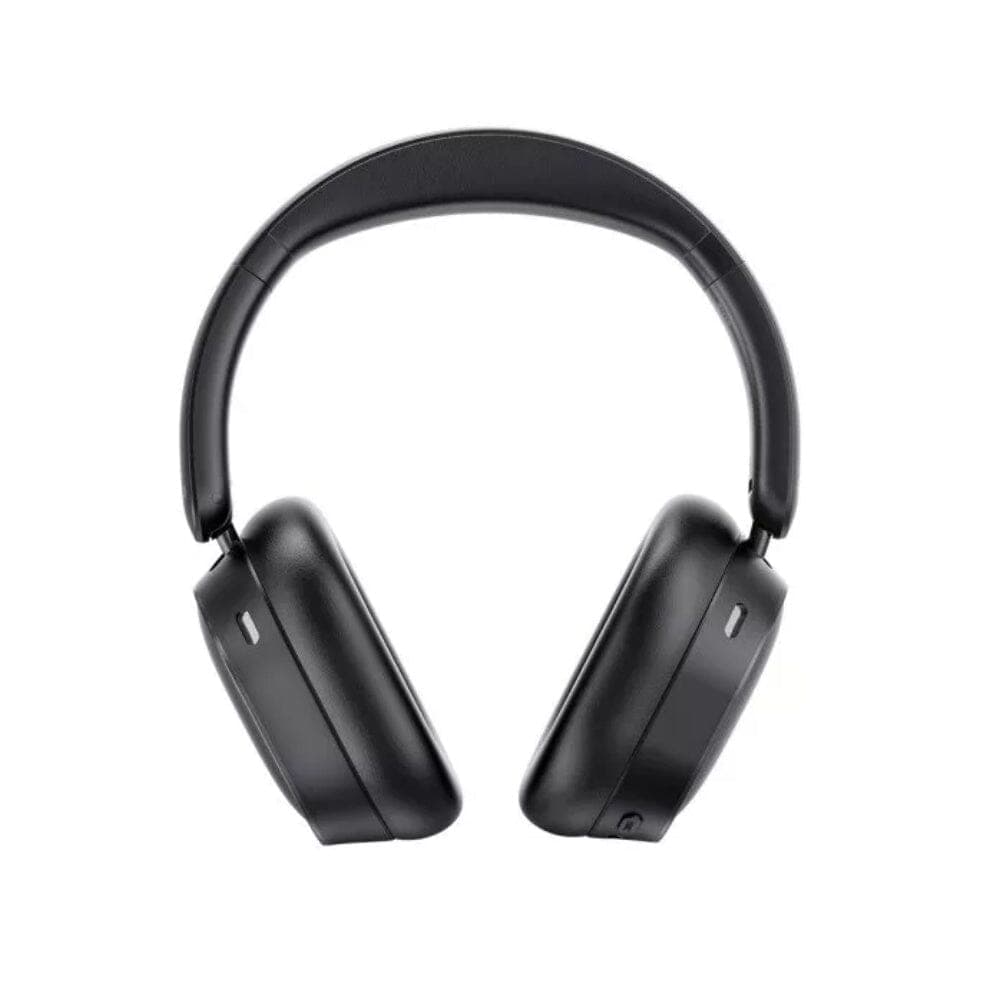
FiiO EH13

Approved-source coverage for the EH13 is still early and thin, but the available material is clear enough on one point: it appears to be a wireless over-ear headphone, not a DAC/amp. Headphonesty’s CanJam NYC 2026 roundup treats it as an inexpensive, feature-rich entry model with LDAC, ANC, app-based parametric EQ, a sapphire-coated 40mm driver, and unusually long battery life for the price. Based on what is currently available, the EH13 looks strongest as a flexible, low-cost lifestyle headphone with more tuning control than most entry-level wireless sets, not as an enthusiast reference device. This dossier should be treated as early coverage pending deeper approved reviews.

  • Bass: 7.5
  • Mids: 7.2
  • Treble: 7.0
  • Technicalities: 6.5
  • Soundstage: 6.8
  • Value: 8.4, strongest axis

DAPs

15published profiles

4 sources

FiiO

FiiO M11S

The M11S is FiiO's roughly $499 Android digital audio player, and the steadiest praise is physical rather than sonic: a CNC machined, polished matte black aluminium casing called flawless with no gaps, a glass back panel, and a 5 inch 1280x720 IPS screen at 300PPI running Android 10 on a Snapdragon 660. Three outputs sit at the bottom (3.5mm, 2.5mm and 4.4mm), and the 3.5mm and 4.4mm can each be set to line out instead of headphone out. A Mode Selection menu adds Pure Music, USB DAC, Bluetooth receiver and AirPlay modes for listeners who want to bypass Android. Inside are dual ES9038Q2M DACs decoding to 384kHz and DSD256, with FiiO rating the 4.4mm output at 670mW. Tonal accounts diverge. One review hears slightly shy bass fundamentals under a mid-bass with a lot of presence, upper vocal frequencies weighted ahead of body, and a top end smoothed relative to FiiO's costlier player. Another hears a sturdy bass foundation and a distinct clickiness in the highs. A third hears a clean but not cold sound with a touch of extra focus up top. Drive capability is the sharpest split: one listener reports plenty of power on tap and an enjoyable stretch with HiFiMan HE400se planars, while another had to push a HiFiMan Edition XS a little past 80 percent volume. Single-ended output power is reported as more limited, so balanced is the recommended path. Streaming rated well below local file playback in the one review that scored them separately.

  • Bass: 7.0
  • Mids: 6.9
  • Treble: 6.9
  • Technicalities: 7.2, strongest axis
  • Soundstage: 6.8
  • Value: 7.0
1 sources

Sony

Sony NW-ZX707

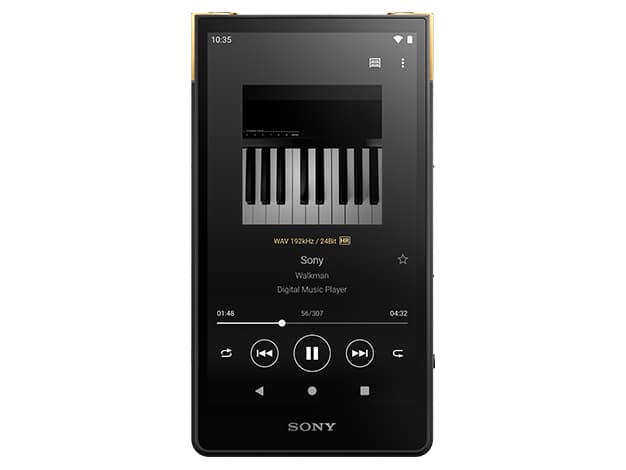
The NW-ZX707 is the modern mid-tier Walkman: Android streaming, Sony's warmest build quality in the line, and the signature house sound. Rich, lush, and musical rather than analytical, with a clean black background and tight, layered bass. Long-running Head-Fi ownership threads consistently rate it a clear step over the ZX507 in soundstage, control, and battery, and the best-built DAP Sony has made in this class. The one structural caveat every buyer must know: regional variants differ, and the US/EU model ships power-capped with no high-gain option, so demanding headphones are off the menu. This is an IEM-first player. Factor in the brand premium and it scores on charm and refinement, not spec-sheet muscle.

  • Bass: 8.0
  • Mids: 8.3, strongest axis
  • Treble: 7.7
  • Technicalities: 7.7
  • Soundstage: 7.9
  • Value: 7.2
2 sources

HiBy

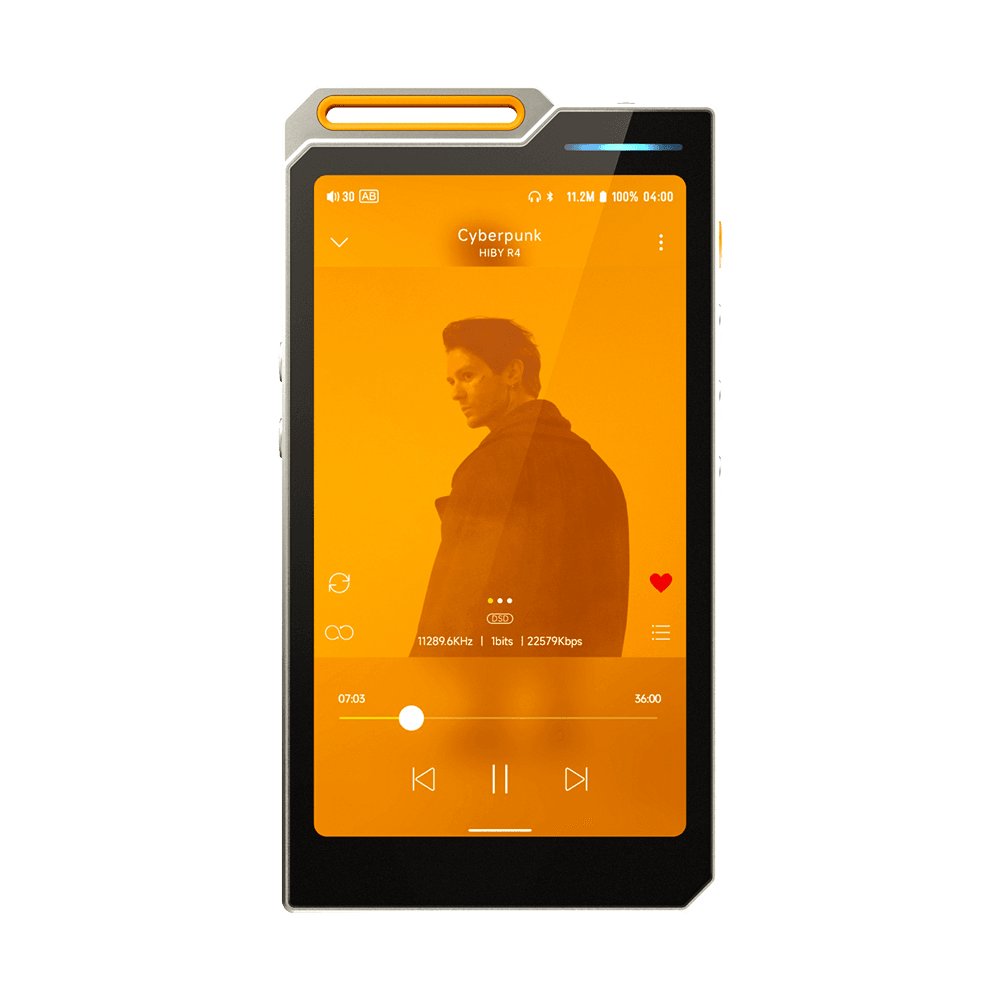
HiBy R4

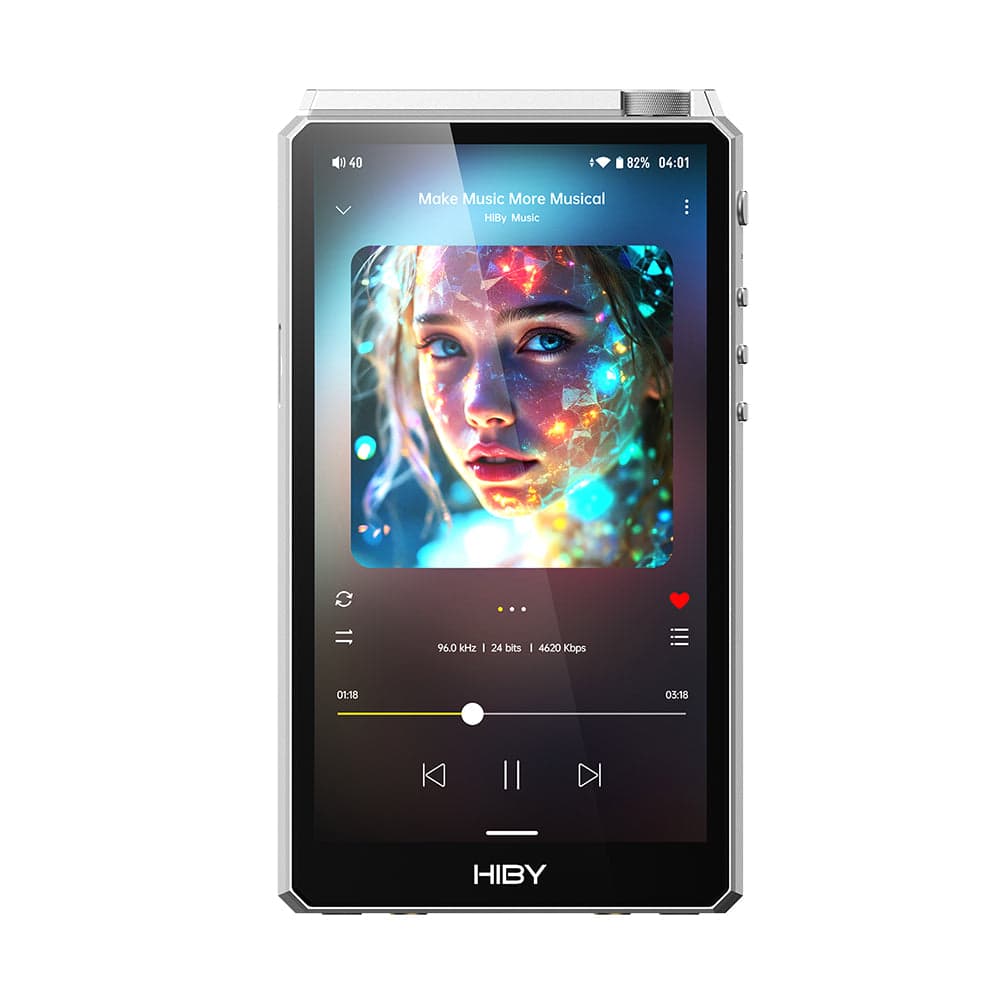
The R4 is HiBy's $249 entry into real-Android DAPs: open Android 12 on a Snapdragon 665, quad ES9018C DACs with separated PCM and DSD pathways, and a Class-A analog stage. A spec sheet that simply did not exist at this price before it. Approved coverage from Headfonics and Headfonia agrees on the verdict: an excellent middle-of-the-road player whose software features and add-ons can raise its quality well above the sticker, with a slightly warm, musical Class-A flavor. The tradeoffs are equally consistent: a chunky, love-it-or-hate-it retro design, battery life that pays the Class-A tax, and technical performance that is good for $249 rather than good outright.

  • Bass: 7.8
  • Mids: 7.7
  • Treble: 7.4
  • Technicalities: 7.4
  • Soundstage: 7.3
  • Value: 8.5, strongest axis
2 sources

FiiO

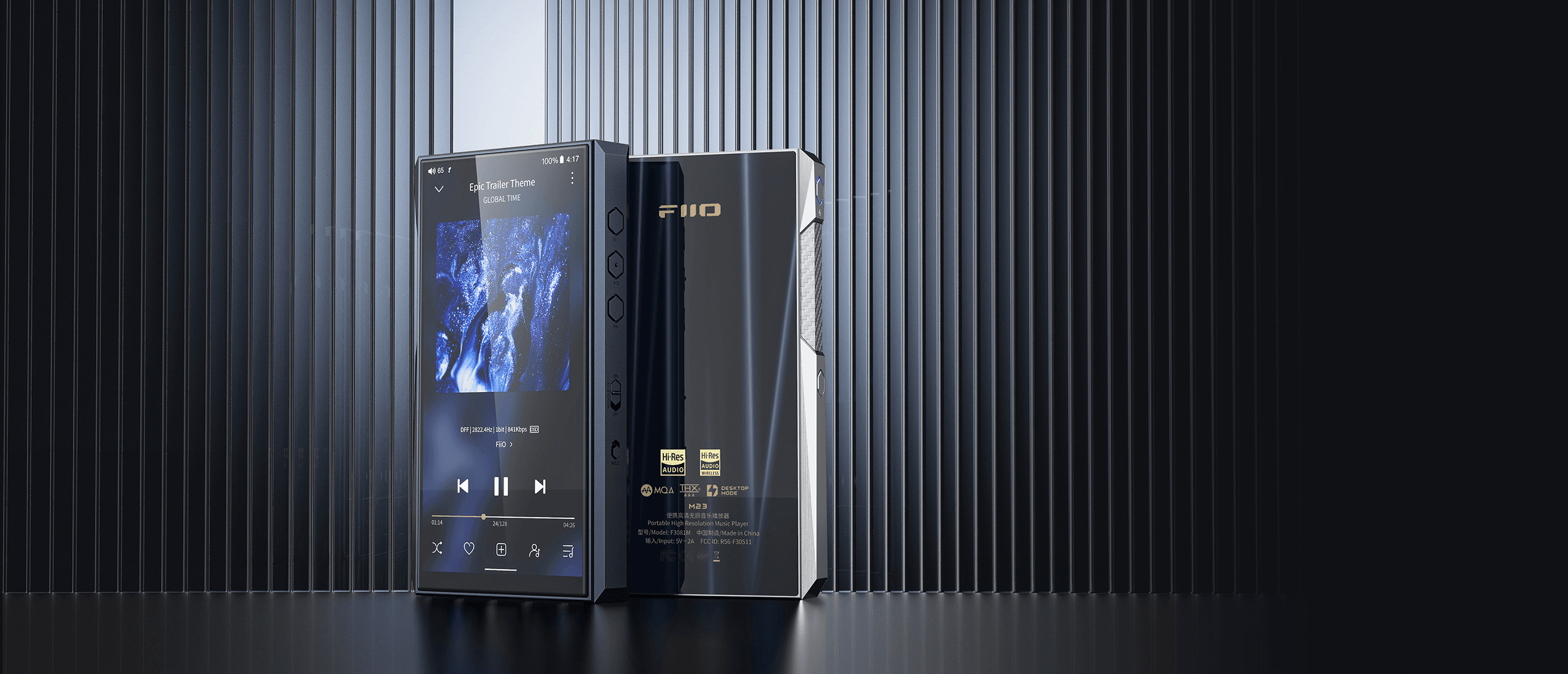
FiiO M23

The M23 is FiiO's $699 midrange-plus Android player pairing a flagship AKM DAC stack with THX AAA 78+ amplification good for roughly a watt balanced, plus practical extras like a desktop mode that runs the player off wall power to spare the battery. Approved reviews agree it punches above its price on scale: MajorHiFi hears a wide, articulate presentation that stands confidently next to some thousand-dollar players, and Headfonics rates it a competitive, smoother-sounding update over the M11 Plus ESS with genuinely useful new features. The consistent criticism is the FiiO house smoothness: timbral edges can feel rounded off, which flatters harsh recordings but can read as slightly veiled next to more incisive rivals.

  • Bass: 8.2
  • Mids: 8.0
  • Treble: 7.8
  • Technicalities: 8.1
  • Soundstage: 8.4, strongest axis
  • Value: 8.1
2 sources

iBasso

iBasso DX180

The DX180 replaced the DX160/DX170 as iBasso's $529 midrange Android 13 player, running a quad-CS43131 DAC with up to 690mW balanced output. Approved coverage rates it one of the strongest midrange DAPs of its generation: Headfonics hears a very accomplished, natural player with a denser, more robust signature than the DX160, and Head-Fi member reviews single out the midrange as arguably the best in the bracket. Neutral, clean, and articulate. The caveats are ordinary rather than damning: battery life is average, launch firmware had rough edges, and listeners chasing flagship staging or exotic DAC architectures still need to spend more.

  • Bass: 8.0
  • Mids: 8.5, strongest axis
  • Treble: 8.0
  • Technicalities: 8.1
  • Soundstage: 7.8
  • Value: 8.5
3 sources

iBasso

iBasso DX340

The DX340 is iBasso's $1,699 Android 13 flagship-tier DAP, and approved coverage converges on the same story: it bottles the discrete PWM DAC architecture of the D16 Taipan (a 16-cascade design built from 128 discrete PWM DAC elements) into a portable with swappable AMP15 and AMP16 cards that sound genuinely distinct. Headfonics calls it a contender for DAP of the year barring a MAX version, and Headfonia highlights the dual-OS setup (Android 13 plus Mango) and the maturity of the platform. The consensus positives are top-shelf resolution, a natural, spacious presentation, and the modular amp system's flexibility; the recurring caveats are size, weight, battery pressure from the discrete architecture, and a price that puts it against very serious competition.

  • Bass: 8.8
  • Mids: 8.9
  • Treble: 8.8
  • Technicalities: 9.2, strongest axis
  • Soundstage: 8.9
  • Value: 8.0
2 sources

HiBy

HiBy R6 III 2025

Approved community reviews treat the R6 III 2025 as an all-rounder whose appeal depends on priorities. Head-Fi impressions say it streams well and offers usable Class A flavor, respectable sound quality, and fair price-to-performance, especially for IEM users. The same reviewers also flag real limits: the display feels dated, stage and detail are only average, power is modest for a Class A pitch, and the design no longer feels especially modern. In short, it looks like a convenient Android DAP with decent sound and broad compatibility, but not a category leader in technical performance.

  • Bass: 7.9
  • Mids: 8.0, strongest axis
  • Treble: 7.8
  • Technicalities: 7.6
  • Soundstage: 7.5
  • Value: 7.8
2 sources

Shanling

Shanling M7T

Approved coverage positions the M7T as a strong middle ground between full-size tube romance and daily-use portability. Headfonics highlights its dual-tube option, respectable power, lush harmonic bloom in Tube mode, and solid-state mode for a cleaner, more modern sound. Reddit sharing of an in-depth review echoes the same themes around wide staging, rich tone, and an appealing transportable form factor. The tradeoff is that tube mode acts more like a meaningful seasoning than a total transformation, and the overall value proposition depends on whether you specifically want this hybrid modern-and-tubey character.

  • Bass: 8.4
  • Mids: 8.8, strongest axis
  • Treble: 8.0
  • Technicalities: 8.3
  • Soundstage: 8.7
  • Value: 7.9
2 sources

HiBy

HiBy R3 Pro II

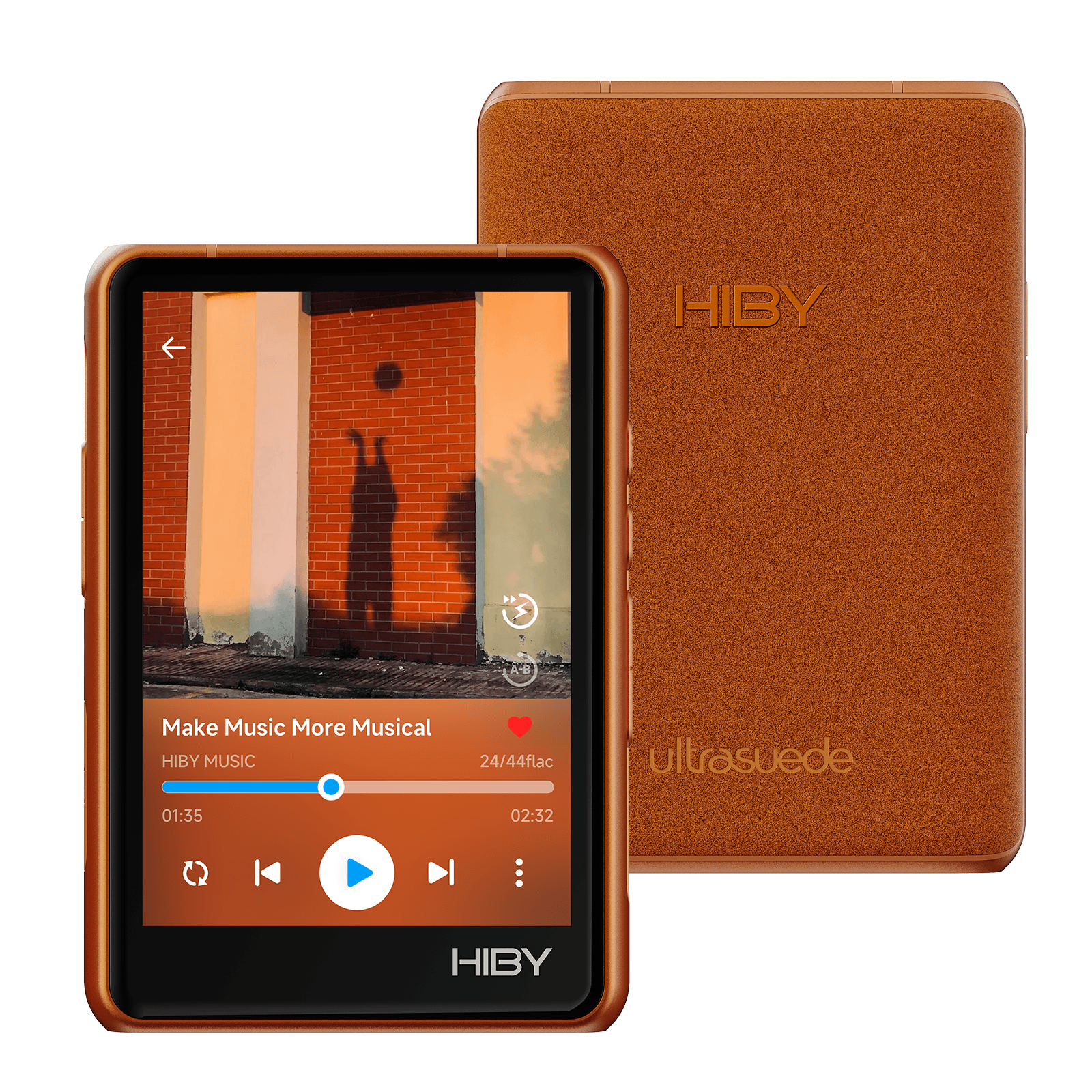
Approved community coverage around the current R3 II and R3 Pro II naming cluster paints the device as sonically decent but operationally frustrating. Head-Fi reviews praise its compact size, acceptable battery life, and good value sound, yet repeatedly criticize the dim display, buggy software, freezes, and lack of meaningful firmware improvement. Reddit discussion around the R3 Pro II label points in the same direction: buyers are drawn to its form factor and build, but worry about long-term polish. The result is a very small DAP that can sound good enough for the money while still feeling held back by software execution.

  • Bass: 7.5
  • Mids: 7.7, strongest axis
  • Treble: 7.5
  • Technicalities: 7.0
  • Soundstage: 7.1
  • Value: 7.2
3 sources

FiiO

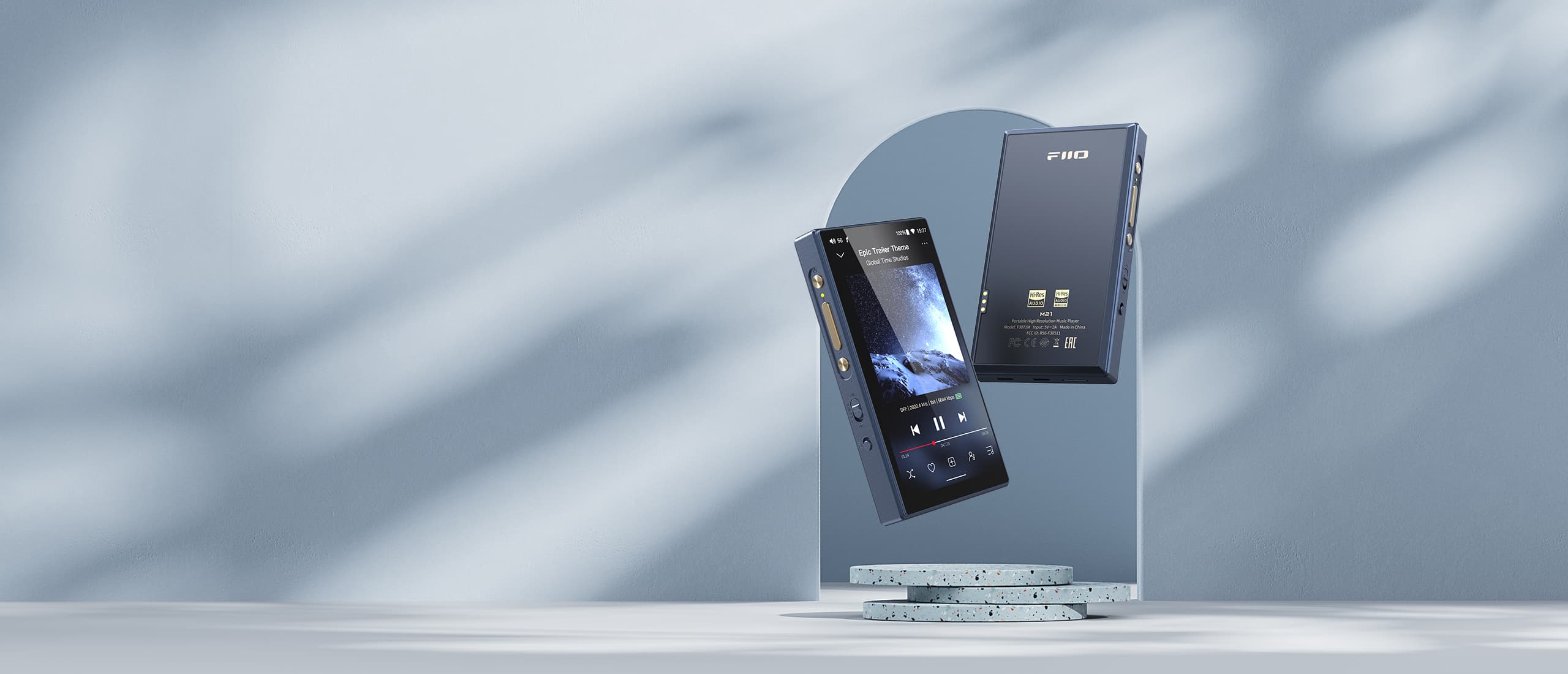
FiiO M21

Among approved sources, the M21 consistently reads like an aggressive value play rather than a compromised budget DAP. Moonstar and Bloom converge on the same strengths: strong output for the money, a fast Android experience, a genuinely useful desktop mode, and a slightly warm-natural tonality that stays controlled and broadly versatile. Community discussion around headphone pairing reinforces that it has enough output and flexibility to serve a wide range of portable use cases. The recurring caveat is that it is not the last word in microdetail or summit-fi refinement, but in its price band it looks unusually complete and easy to recommend.

  • Bass: 8.1
  • Mids: 8.3
  • Treble: 8.1
  • Technicalities: 8.1
  • Soundstage: 8.0
  • Value: 9.0, strongest axis
2 sources

Astell&Kern

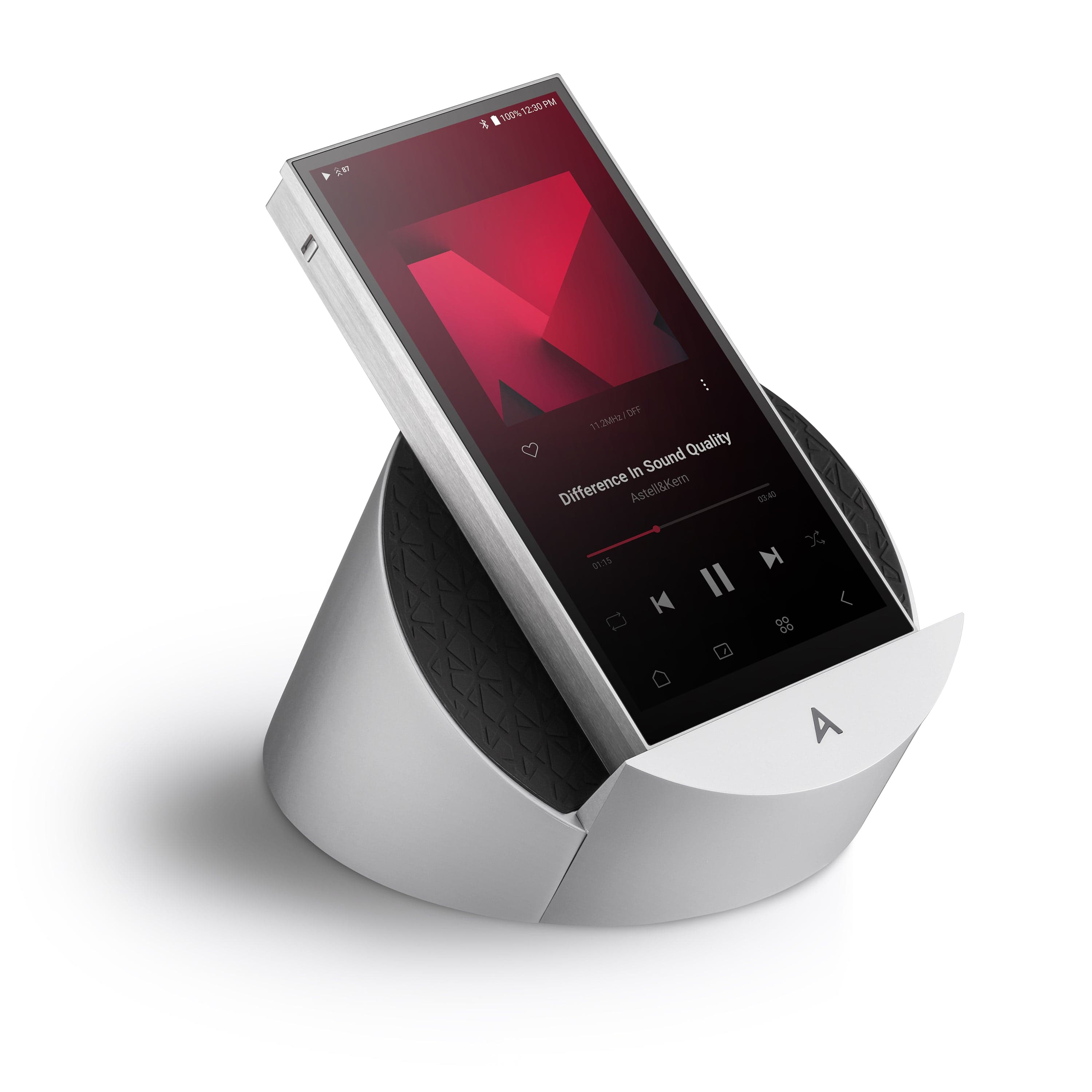
Astell&Kern PD10

Approved coverage frames the PD10 as Astell&Kern deliberately breaking from its old design language while pushing closer to a desktop-capable source. Head-Fi launch coverage emphasizes the new quad AK4498EX implementation, smart impedance-adaptive gain, and included dock, while Bloom highlights a clean, resolving, naturally balanced presentation with unusual flexibility for a DAP. The overall picture is of a high-end transportable source aimed at listeners who want one device for personal listening and two-channel integration. The main downside is obvious: it is premium-priced and leans more toward technical transparency and system flexibility than outright portability value.

  • Bass: 8.2
  • Mids: 8.6
  • Treble: 8.5
  • Technicalities: 8.8, strongest axis
  • Soundstage: 8.7
  • Value: 7.1
1 sources

Sony

Sony NW-WM1AM2

The NW-WM1AM2 is the aluminum half of Sony's flagship Walkman pair: the WM1ZM2's architecture (S-Master HX digital amplification, premium passive components, Android with the full streaming ecosystem) at a third of the gold model's price. The long-running Head-Fi ownership threads consistently describe it as the sane flagship Walkman: rich, spacious, refined Sony house sound, superb build, and up to 40 hours of high-res playback, sharing most of the range-topper's specification. The recurring caveats: S-Master output power is modest for a flagship (IEM-first, like most Walkmans), Android drains harder than the old Walkman OS, and the price still buys a lot of Chinese competition on raw specs.

  • Bass: 8.2
  • Mids: 8.4, strongest axis
  • Treble: 7.9
  • Technicalities: 7.9
  • Soundstage: 8.1
  • Value: 7.5
3 sources

iBasso

iBasso DX320

The DX320 was iBasso's flagship before the DX340: a $1,599 Android 11 player pairing a dual ROHM DAC implementation with the modular amp-card system. The excellent AMP11 MK2s stock card and the optional Korg NuTube AMP13 for tube flavor. Headfonics calls it deeply engaging: a dash of smooth tuning mixed into iBasso's detail-oriented house sound, fresh and interesting despite the familiar package, and versatile across gear. Headfonia and the Head-Fi showcase agree it aged into one of the best value flagship-tier DAPs once the DX340 arrived. Caveats: Android 11 is dated now, battery life is mid-pack, and the best experience assumes buying into extra amp cards.

  • Bass: 8.5
  • Mids: 8.6
  • Treble: 8.5
  • Technicalities: 8.7, strongest axis
  • Soundstage: 8.5
  • Value: 8.2
1 sources

HiBy

HiBy R6 Pro II

The R6 Pro II is HiBy's $749 Android mid-fi player built around dual AK4499EX DACs with a discrete I/V stage, dual NDK femtosecond oscillators, and switchable Class-A/AB amplification: spec-sheet decoding (native DSD1024, 32bit/1536kHz) that led the market at launch. Headfonics hears a slightly laid-back, smooth signature tuned for IEM precision rather than raw wattage, recommending it as a big-screen streaming-first player or a refined IEM source. The tradeoffs: Class-A mode taxes battery and heat, output power targets IEMs not full-size headphones, and the relaxed tuning is a flavor choice that detail-first listeners may find polite.

  • Bass: 8.0
  • Mids: 8.2, strongest axis
  • Treble: 7.7
  • Technicalities: 8.0
  • Soundstage: 7.9
  • Value: 8.0
1 sources

Astell&Kern

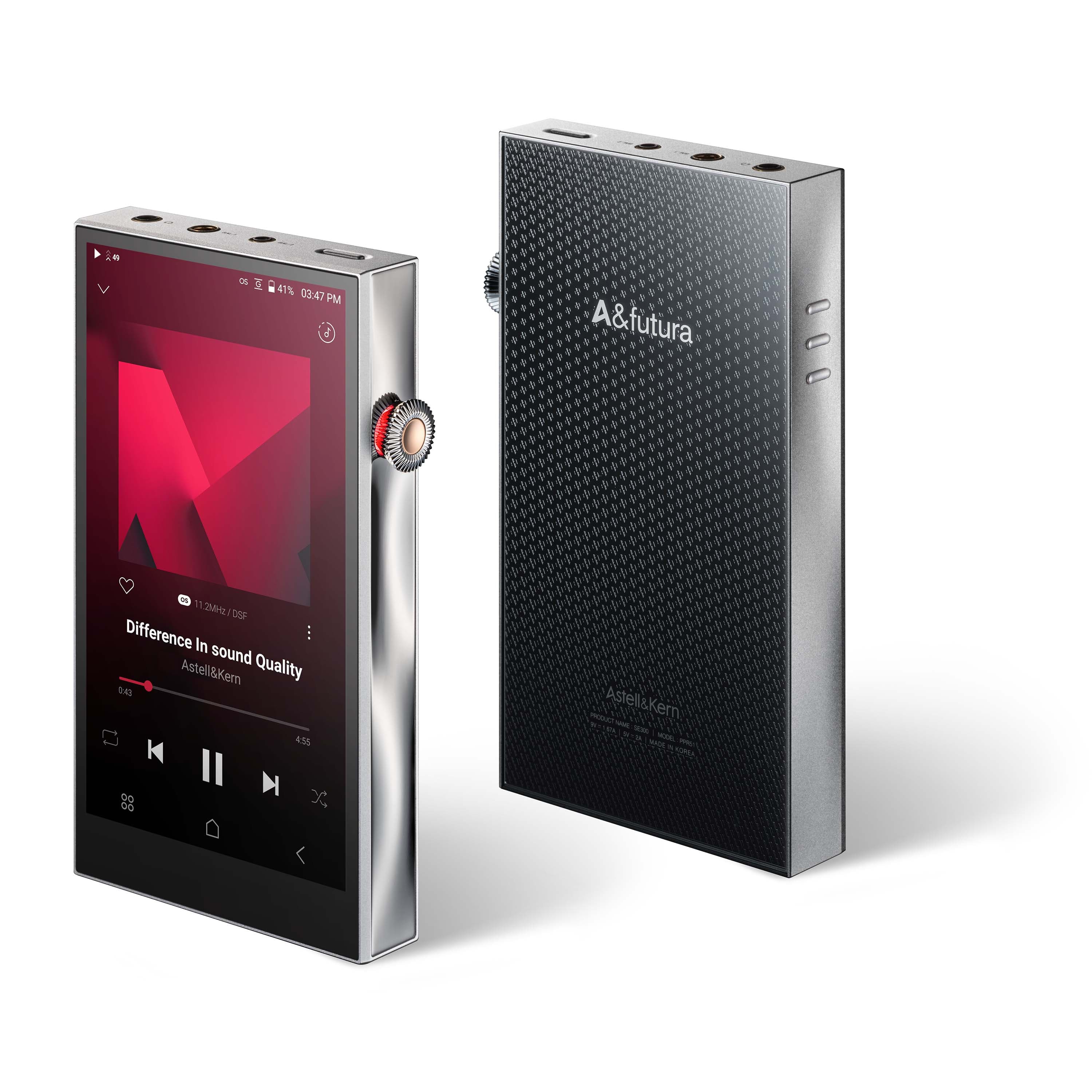
Astell&Kern SE300

The SE300 is Astell&Kern's A&futura statement that R2R belongs in a luxury DAP: a discrete ladder DAC with selectable OS/NOS modes and Class-A/AB amp switching inside the brand's signature angular, mirror-finished chassis at $1,899. Approved coverage frames it as the tuning-flexibility flagship of its tier: the R2R conversion gives it a denser, more analog presentation than A&K's delta-sigma players, and the mode switches genuinely change the character rather than decorating a spec sheet. The tradeoffs are classic A&K: price carries a strong brand premium, the chassis is heavy and sharp-edged for pockets, battery life suffers in Class-A, and Android-app flexibility trails open-Android rivals.

  • Bass: 8.4
  • Mids: 8.6, strongest axis
  • Treble: 8.3
  • Technicalities: 8.5
  • Soundstage: 8.4
  • Value: 7.3

DACs

17published profiles

5 sources

Moondrop

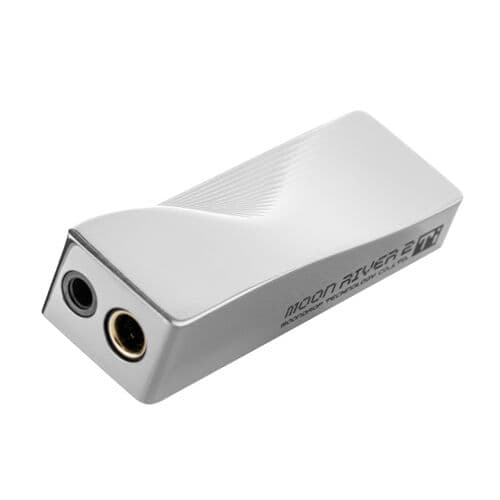
Moondrop Moonriver 2 Ti

The Moonriver 2 Ti is a chassis revision of Moondrop's dual CS43198 dongle, wrapped in a CNC-carved TC4 titanium shell with a tempered glass window over the circuit board. Reviewers converge on the same core competences: a background reported as clean and free of hiss, detail that holds up through complex passages without being called exceptional, and enough drive that a 300 ohm HD650 ran with a surplus of headroom and hard-to-drive full-size headphones were given ample volume. Hardware volume buttons with 100 steps and usable fine control at the bottom of the range come up repeatedly as a practical advantage, as does the see-through titanium build. Character is where opinion splits. One listener hears a deliberate neutral-warm retune with relaxed, slower-decaying treble, useful for taking the edge off a bright IEM like the Blessing 3. Another declines to call it warm at all, describing it as neutral in overall character, if smoother than the original. Heat is contested in degree rather than in kind: it does warm under load, but whether that is a real problem is disputed, and higher than average host battery consumption is flagged as a genuine cost. The Ti carries the same $189.99 asking price as the model it follows and shares that model's DAC, so the premium buys the shell and the extra 13 grams rather than a new audio platform.

  • Bass: 7.3
  • Mids: 7.2
  • Treble: 7.0
  • Technicalities: 7.7, strongest axis
  • Soundstage: 7.4
  • Value: 6.8
1 sources

xDuoo

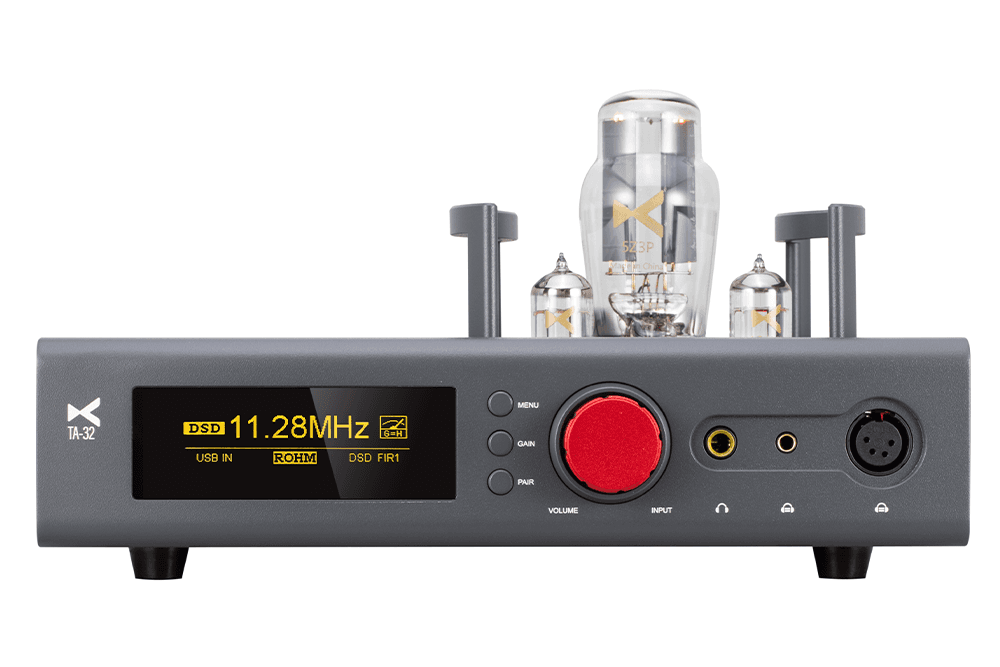
xDuoo TA-32

The TA-32 is xDuoo's flagship integrated tube unit: a balanced tube headphone amplifier delivering up to 3W, built around a swappable ROHM DAC card system that lets the digital section evolve independently of the amp. Approved coverage positions it as the serious end of xDuoo's tube line: real drive power and modern connectivity with genuine tube character, rather than a starter-tube novelty. The tradeoffs are the category's: tube maintenance and rolling costs, physical bulk and heat on the desk, and a presentation that trades some transient precision for harmonic richness, which is precisely why its buyers want it.

  • Bass: 8.0
  • Mids: 8.4, strongest axis
  • Treble: 7.7
  • Technicalities: 7.8
  • Soundstage: 8.0
  • Value: 7.8
2 sources

Topping

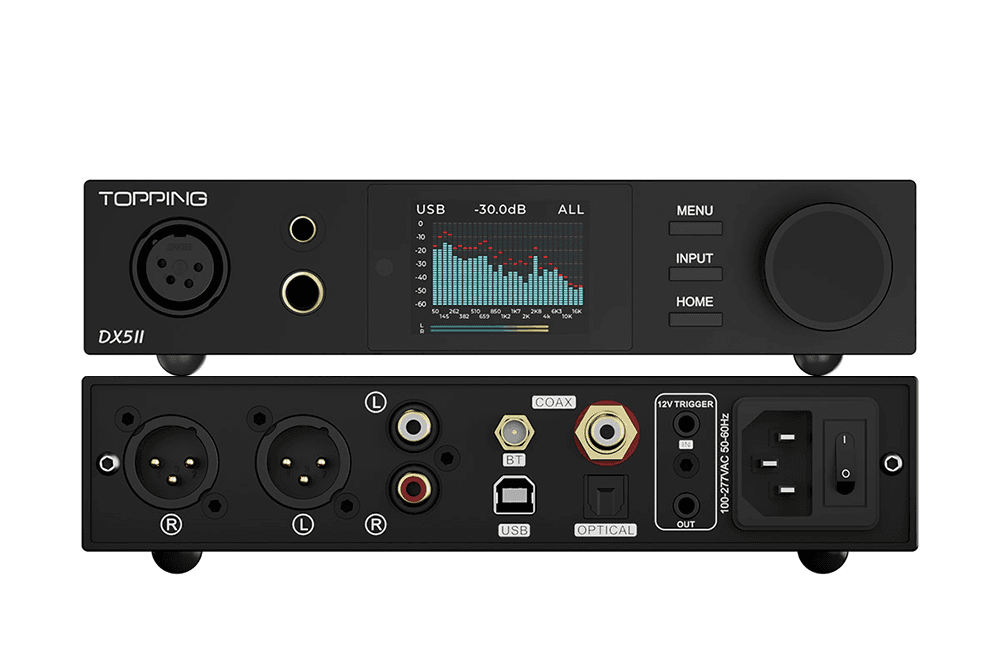
Topping DX5 II

The DX5 II may be the strongest $299 desk box of its generation: dual ES9039Q2M DACs, up to 7.6W of balanced headphone power, on-board parametric EQ, and a customizable UI, measured by Audio Science Review at under 0.00006% THD+N: performance they call essentially without fault. Headfonics' subjective take matches: lots of clean power that drives most headphones, valuable features, and granular PEQ tuning. The consensus criticisms are minor: Topping's clean-neutral house sound offers no romance, the feature depth hides behind menus, and the crowded sub-$300 all-in-one segment includes serious competition.

  • Bass: 8.2
  • Mids: 8.1
  • Treble: 8.2
  • Technicalities: 8.6
  • Soundstage: 7.9
  • Value: 8.7, strongest axis
1 sources

iFi

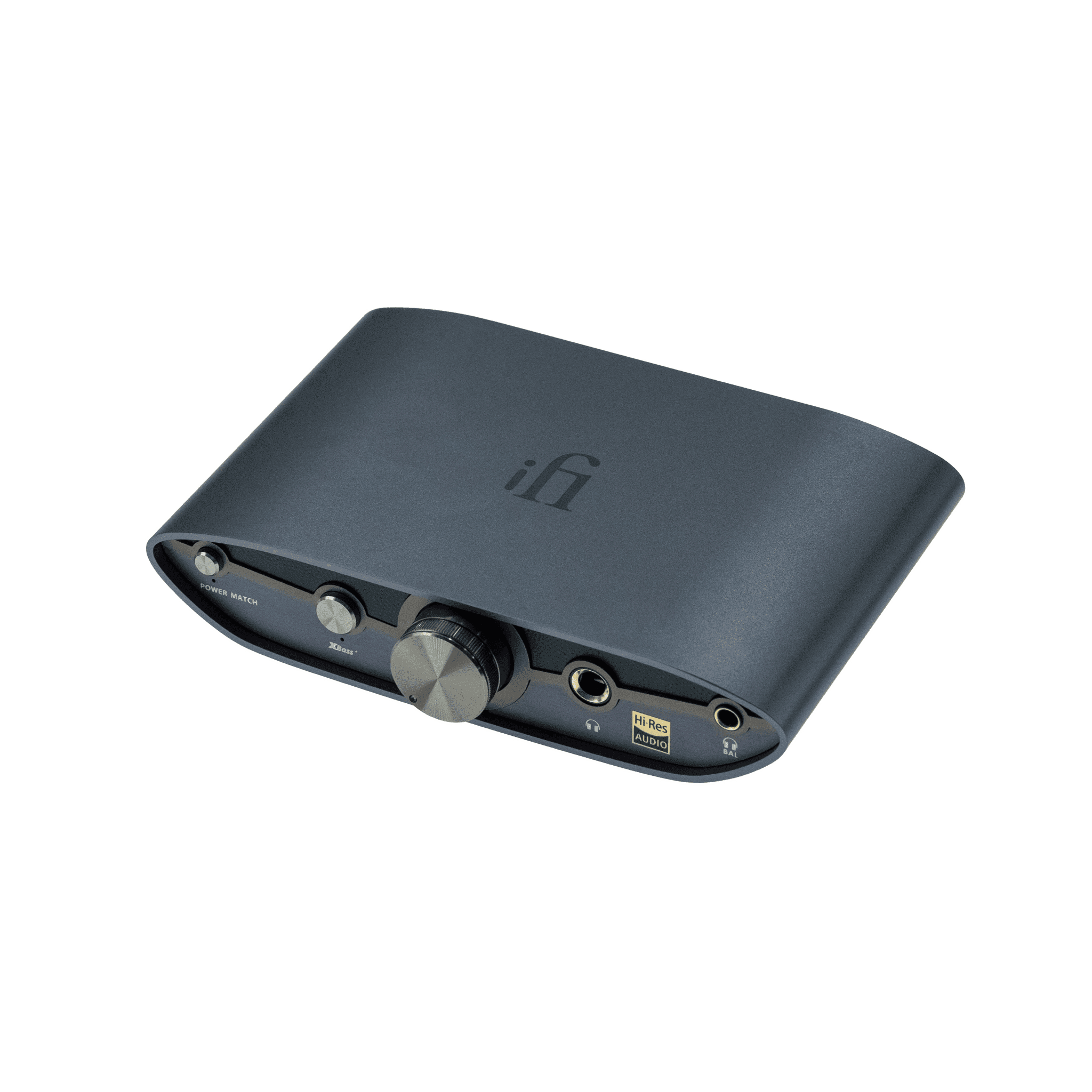
iFi ZEN DAC 3

The ZEN DAC 3 continues the line that made desktop hi-fi a $229 purchase: a third-generation compact DAC/amp decoding up to DSD512, outputting 390mW, now with USB-C and the improved XBass+ analog bass correction. Headfonics' verdict tracks the series' reputation: a great-sounding all-in-one that doesn't break the bank, with robust build and elegant design, and XBass+ a genuine improvement over the old TrueBass. The known limits are unchanged: 390mW won't move demanding headphones, the house tuning leans warm-smooth rather than reference-flat, and balanced output requires stepping up iFi's own line.

  • Bass: 8.0
  • Mids: 7.8
  • Treble: 7.4
  • Technicalities: 7.5
  • Soundstage: 7.5
  • Value: 8.3, strongest axis
1 sources

JDS Labs

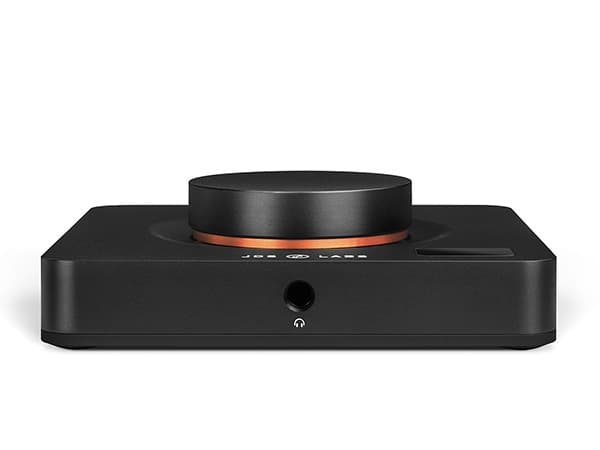
JDS Labs Element IV

The Element IV is JDS Labs' flagship all-in-one: a clean-measuring DAC/amp delivering up to 3.2W per channel into 32 ohms, wrapped in the signature single-knob minimalist chassis, with the Core web application adding a 12-band parametric EQ that runs on the device itself. Coverage and member reviews agree on its identity: a straightforward, powerful, transparency-first desk unit whose EQ implementation is the differentiator: it effortlessly powers planars and delivers stellar EQ functionality without a dongle-app ecosystem or DSP license fees. Criticisms are few and structural: transparent-neutral is the only flavor on offer, and single-ended-only output disappoints spec-sheet shoppers at the price.

  • Bass: 8.0
  • Mids: 8.0
  • Treble: 8.0
  • Technicalities: 8.3, strongest axis
  • Soundstage: 7.8
  • Value: 8.2
1 sources

Snowsky

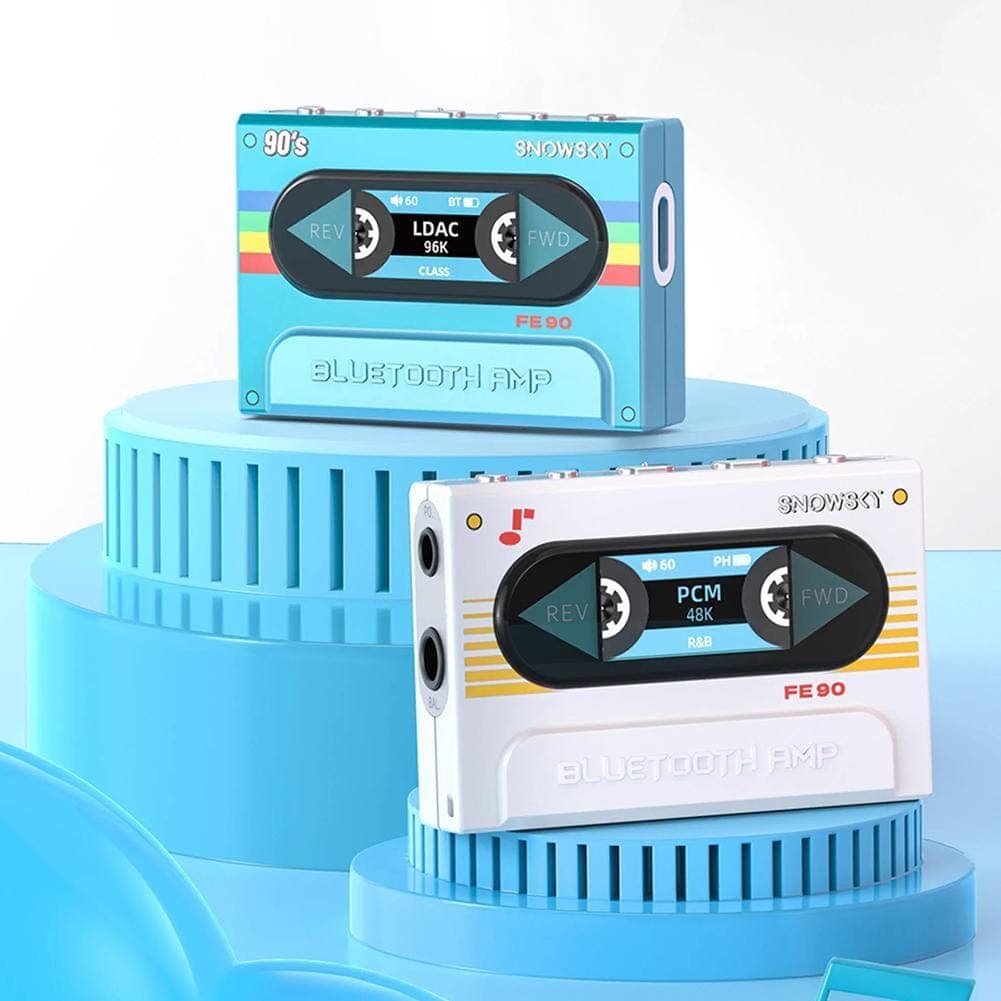
Snowsky Retro Nano

FiiO's Snowsky sub-brand turned a cassette-nostalgia shell into one of the most talked-about budget devices of its cycle: the $59.99 Retro Nano is a self-powered Bluetooth DAC/amp with Qualcomm's QCC5125, dual CS43131s, 220mW of output, both 3.5mm and 4.4mm jacks, a user-replaceable battery, and retro-themed sound presets behind a charmingly animated GUI. Headfonics enjoyed it as a feature-packed, very affordable device that delivers real value and capability; the flagged drawbacks are short battery life and a flimsy battery door. Its identity is fun-first: nobody claims reference status, but the feature density and charm at $59.99 have made it a community favorite.

  • Bass: 7.3
  • Mids: 7.3
  • Treble: 7.2
  • Technicalities: 7.1
  • Soundstage: 7.0
  • Value: 8.6, strongest axis
2 sources

Moondrop

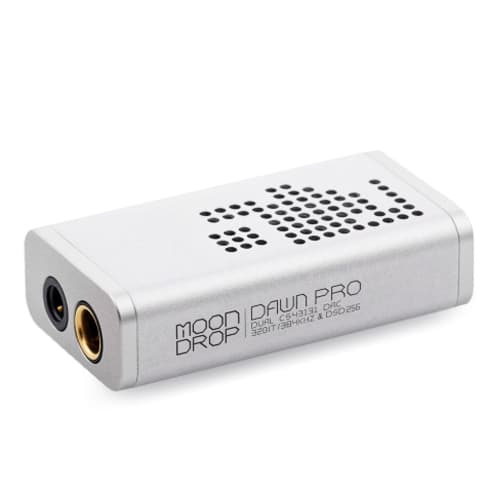
Moondrop Dawn Pro

The Dawn Pro is the budget-dongle consensus pick: $49.99, dual CS43131 DACs, 120mW of balanced output, and a clean, natural tuning that Headfonics describes as rich in timbre with genuine gains in clarity and staging over phone audio. Head-Fi member reviews repeat the same arc: it does nothing wrong at a price where rivals usually do several things wrong, offering both 3.5mm and 4.4mm outputs and sensible power for IEMs. The limits are inherent: modest output for demanding headphones, a plastic-light build, and a presentation that is honest rather than exciting.

  • Bass: 7.5
  • Mids: 7.7
  • Treble: 7.5
  • Technicalities: 7.4
  • Soundstage: 7.3
  • Value: 8.7, strongest axis
1 sources

iFi

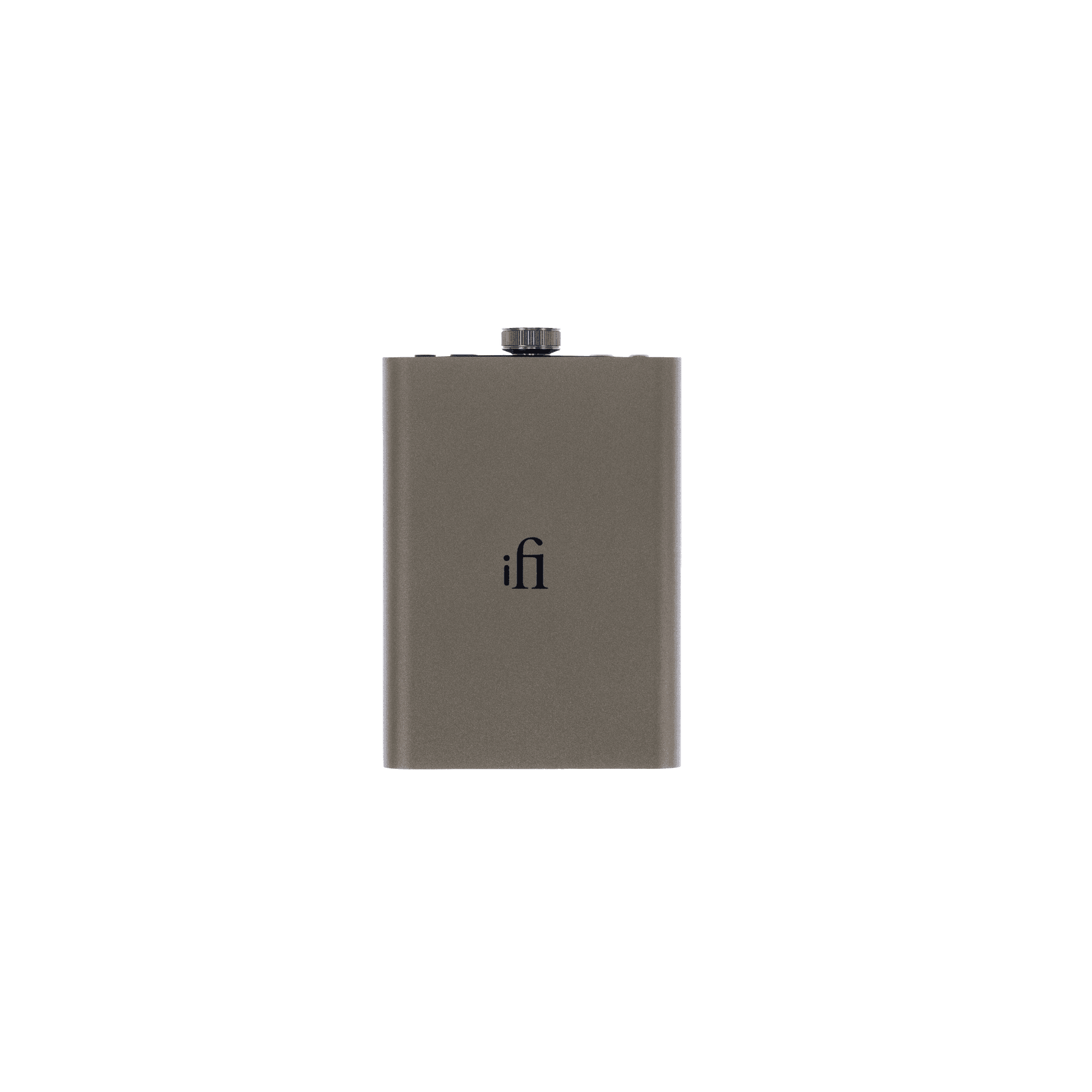
iFi hip-dac 3

The third-generation hip-dac keeps the flask-shaped, battery-powered formula at $199 and fixes its one chronic flaw: Headfonics rates it the best version of the compact DAC/amp to date, specifically because the new IEMatch attenuation remedies the channel-imbalance issue that dogged sensitive IEMs on earlier models while improving synergy overall. The consensus character is classic iFi (warm, smooth, analog-leaning with XBass on tap), plus the practical win of an internal battery that spares the phone. Tradeoffs stay familiar: it is pocket-bulky compared to dongles, the warm tilt is a choice rather than a reference, and resolution sits at good-for-$199 rather than giant-killing.

  • Bass: 8.0
  • Mids: 7.9
  • Treble: 7.5
  • Technicalities: 7.6
  • Soundstage: 7.6
  • Value: 8.2, strongest axis
1 sources

iFi

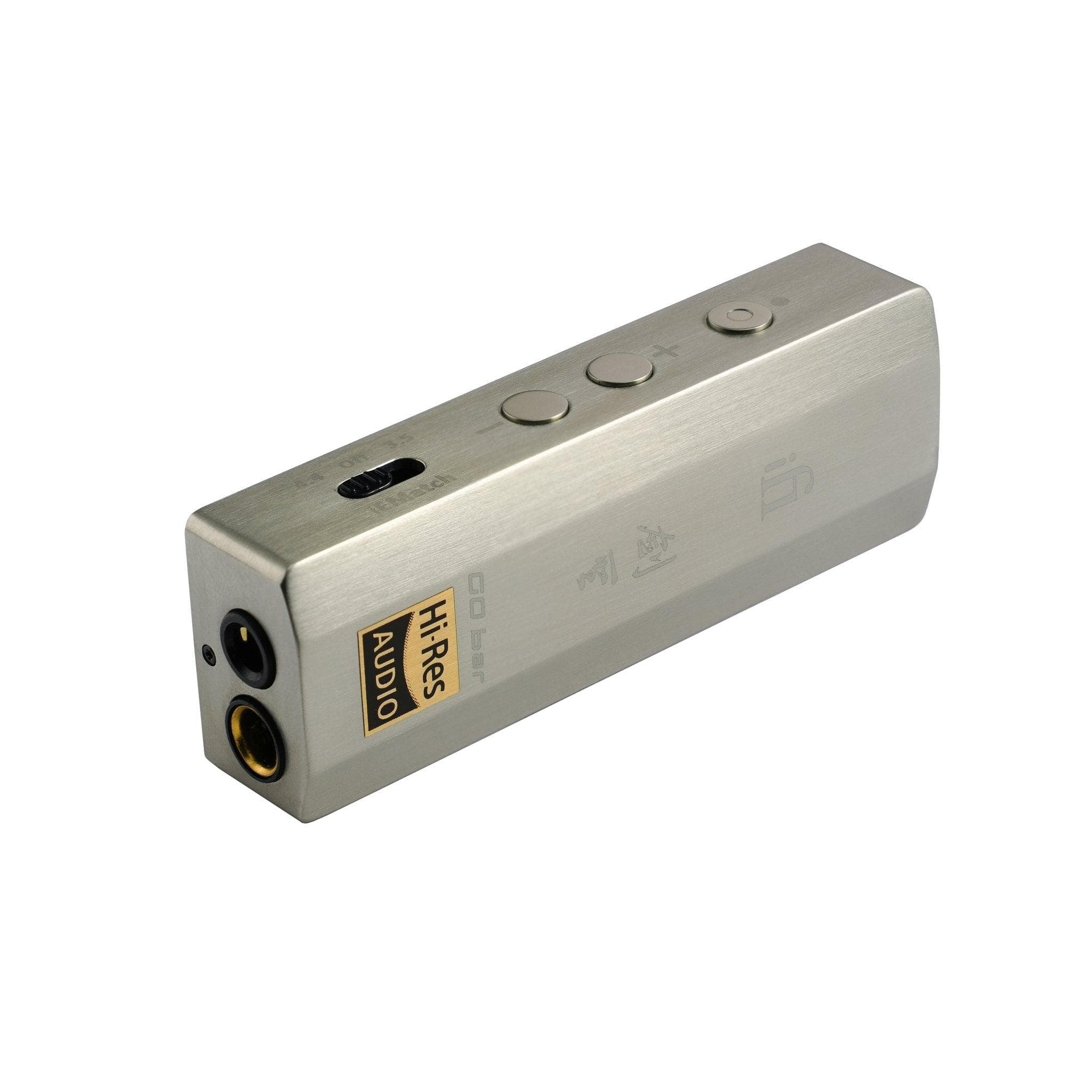
iFi GO bar Kensei

The GO bar Kensei is iFi's $449 statement dongle: a stainless-steel, Japan-themed evolution of the GO bar with up to 477mW of output and the first dongle implementation of JVCKENWOOD's K2HD processing, which upsamples to 24bit/192kHz while restoring harmonics lost to digital compression. Headfonics' verdict is unambiguous: it sonically beat every dongle on their shelf at review time, making it a sound-quality-first recommendation if the budget allows, with K2HD elevating it toward best-reviewed status. The tradeoffs are equally clear: heavy steel build, price at parity with used DAPs, iFi's warmer-than-neutral house tilt, and notable battery draw from the host phone.

  • Bass: 8.4
  • Mids: 8.5, strongest axis
  • Treble: 8.3
  • Technicalities: 8.4
  • Soundstage: 8.3
  • Value: 7.5
3 sources

Chord

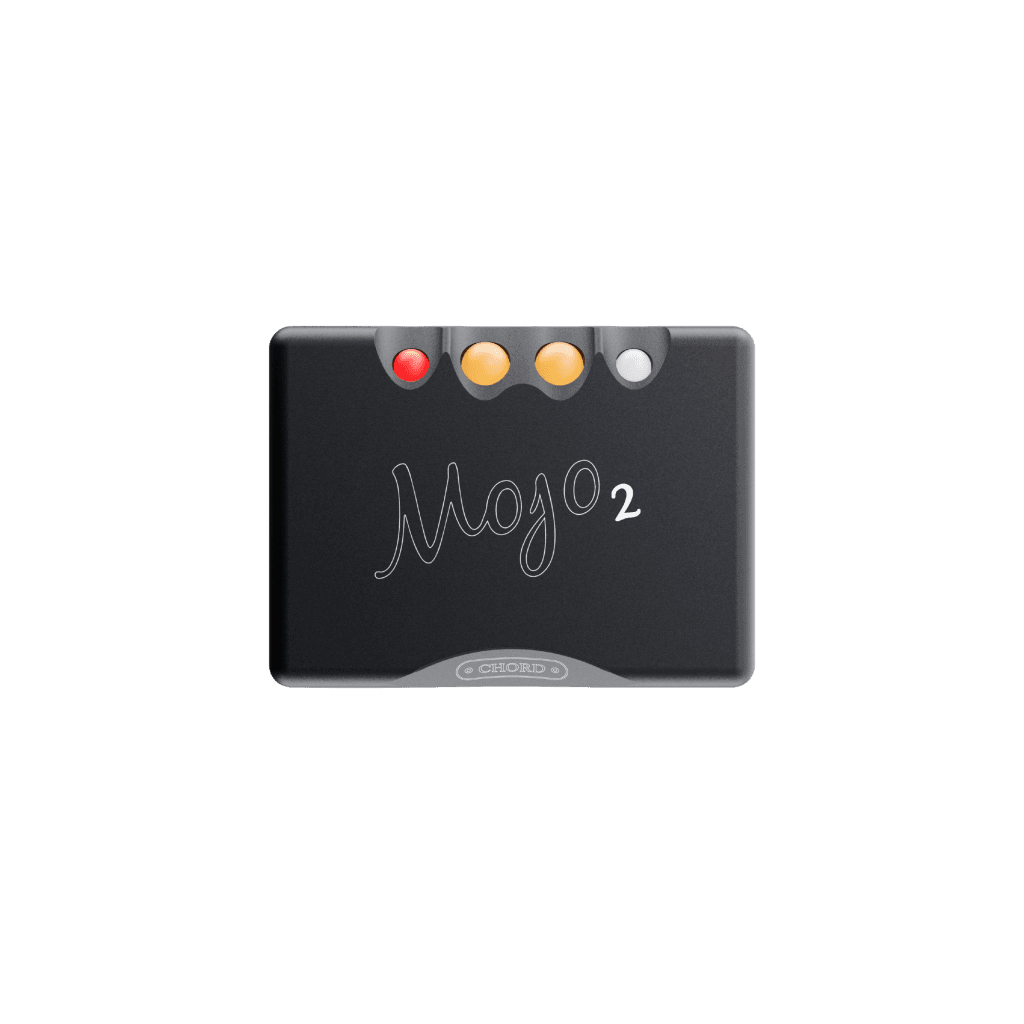
Chord Mojo 2

Six years after the original defined the category, the Mojo 2 updated Chord's FPGA-based portable DAC/amp with finer filtering, the lossless UHD DSP tone system, 32bit/768kHz support, and 600mW of output at £449. Approved reviews agree the sequel earns the name: Headfonics hears a more accurate, more energetic presentation than the V1 with the DSP applied seamlessly (no dynamic-range or volume penalty) while MajorHiFi and Headfonia treat it as the transportable benchmark for musical, dense, analog-flavored sound. Standing criticisms: the polychromatic button interface remains famously cryptic, there is no proper desktop-charging thermal comfort, and phone-stack ergonomics lag dongle rivals.

  • Bass: 8.5
  • Mids: 8.6, strongest axis
  • Treble: 8.3
  • Technicalities: 8.5
  • Soundstage: 8.2
  • Value: 7.8
1 sources

Questyle

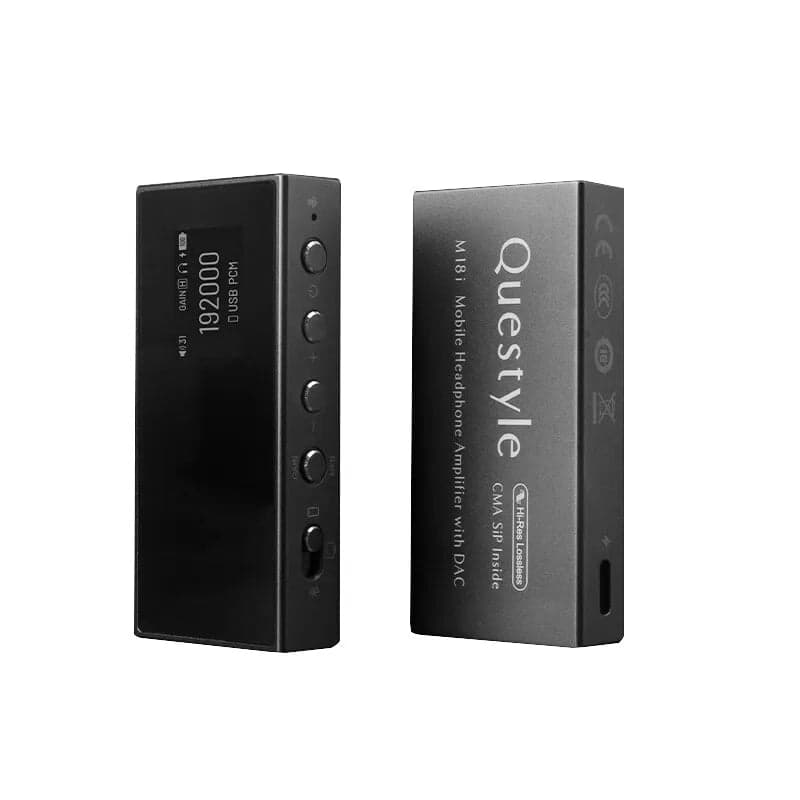
Questyle M18i

The M18i is Questyle's current flagship dongle, pairing an ESS Sabre DAC with the company's patented Current Mode Amplification in a fully balanced design, and, unusually for the class, adding wireless capability on top of USB duty. Approved coverage positions it as the refinement-first choice among premium dongles: Questyle's current-mode topology keeps distortion vanishingly low and transients clean, continuing the lineage that made the M15 a class reference. The recurring tradeoffs for the line remain: premium pricing, moderate output power relative to power-focused rivals, and a presentation that prioritizes precision and cleanliness over warmth or coloration.

  • Bass: 8.2
  • Mids: 8.4
  • Treble: 8.3
  • Technicalities: 8.5, strongest axis
  • Soundstage: 8.2
  • Value: 7.6
3 sources

Cayin

Cayin RU7

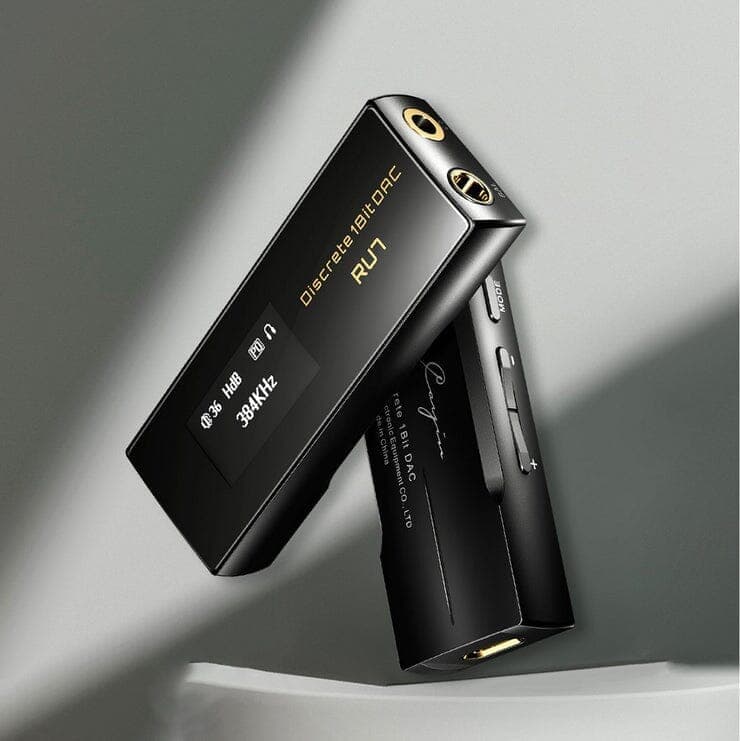
The RU7 brought Cayin's discrete 1-bit resistor-ladder DAC concept down to dongle size at $289.99, decoding up to DSD256 natively with everything internally converted to DSD. Both major approved outlets gave it their 2023 best-dongle award: Headfonia hears a neutral-leaning but full-bodied, powerfully controlled presentation that stays musical and engaging, and Headfonics rates it the best of Cayin's dongle line in both agreeable timbre and technical prowess. The consensus flags analog-like smoothness and naturalness as the signature; the tradeoffs are moderate battery draw, a warm-of-clinical character that measurement purists may not want, and pricing near very strong delta-sigma rivals.

  • Bass: 8.3
  • Mids: 8.4, strongest axis
  • Treble: 8.0
  • Technicalities: 8.2
  • Soundstage: 8.0
  • Value: 8.0
3 sources

iBasso

iBasso DC-Elite

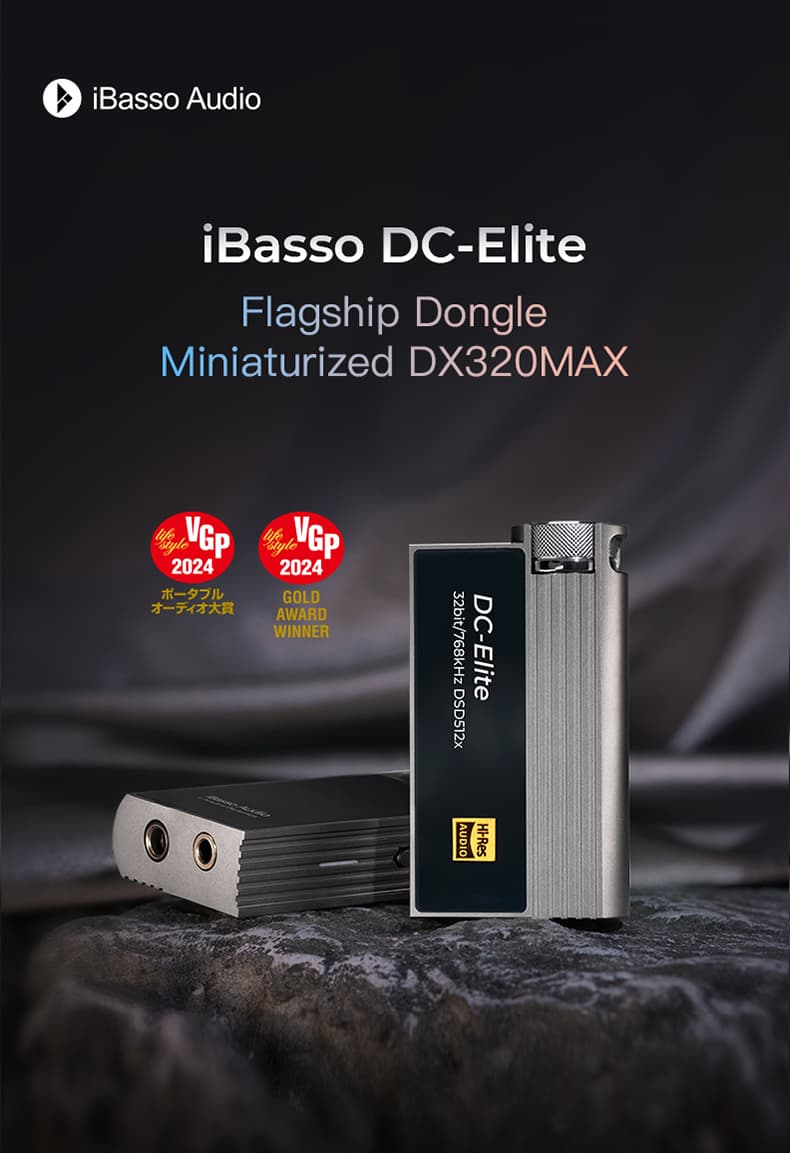
The DC-Elite is iBasso's statement that a dongle can play in flagship territory: ROHM's flagship BD34301EKV MUS-IC DAC, a true 24-step attenuator, a custom FPGA clocked by an NDK oscillator, and 280mW of very high-quality output for $449. Approved coverage is unusually unanimous: Headfonics hears a monster of a dongle, detailed, clean, and highly dynamic, even slightly smoother than the DX320 MAX Ti flagship DAP; Headfonia rates it one of the best USB DAC/amps they have heard in a long while and added it to their Recommended Buys. The criticisms are inherent to the concept: dongle-class output power, no battery of its own, and a price that overlaps real DAPs.

  • Bass: 8.6
  • Mids: 8.6
  • Treble: 8.5
  • Technicalities: 8.7, strongest axis
  • Soundstage: 8.4
  • Value: 7.6
2 sources

FiiO

FiiO KA17

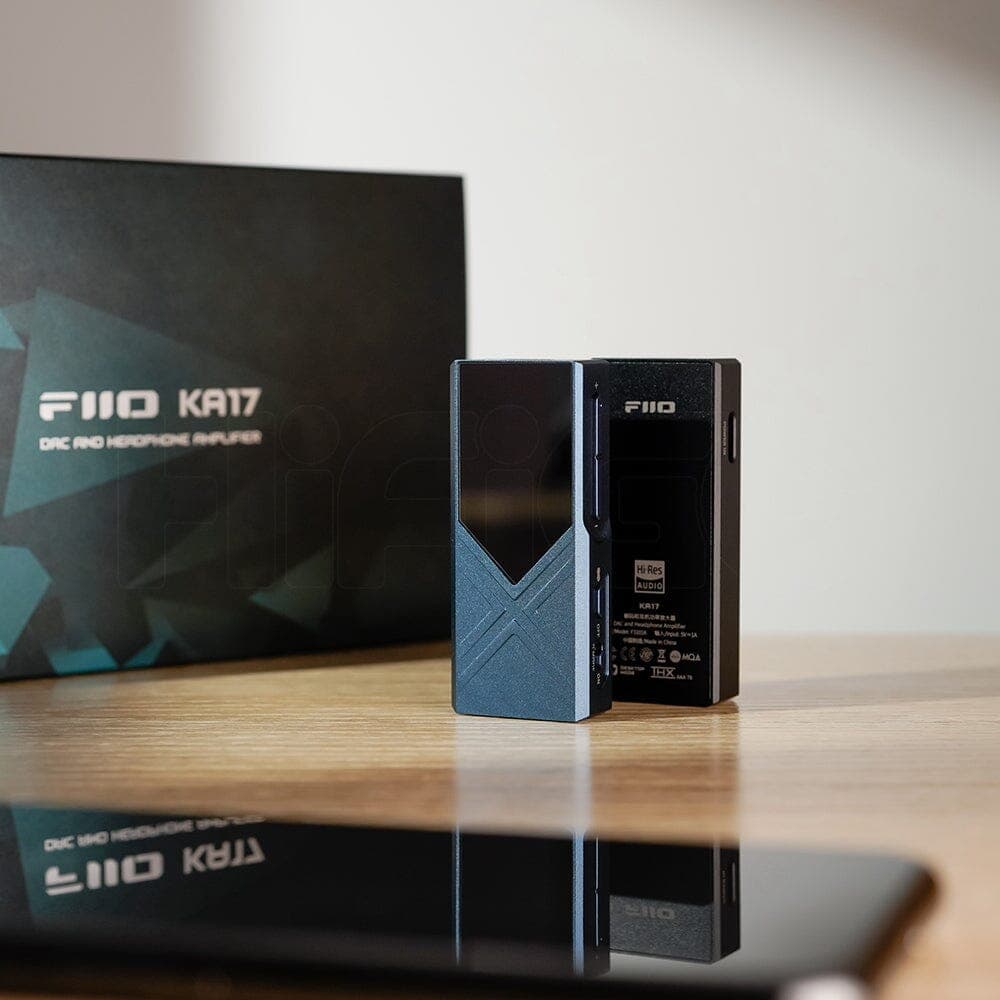
The KA17 is FiiO's $149.99 flagship dongle: dual ESS DACs feeding a THX AAA 78+ stage that scales from 300mW balanced on phone power to 650mW with an external supply in Desktop Mode. Approved reviews agree its pitch is unmatched drivability-per-dollar: Headfonics rates it one of the favorite dongles of its price segment for driving both IEMs and full-size headphones while staging well, and MajorHiFi's measurements confirm the power story. The recurring caveats are practical: it is large and power-hungry for a phone-fed dongle, and its clean, balanced tuning is more capable than characterful.

  • Bass: 7.8
  • Mids: 7.8
  • Treble: 7.8
  • Technicalities: 8.0
  • Soundstage: 7.9
  • Value: 8.6, strongest axis
3 sources

MUSE HiFi

MUSE HiFi M6 Double

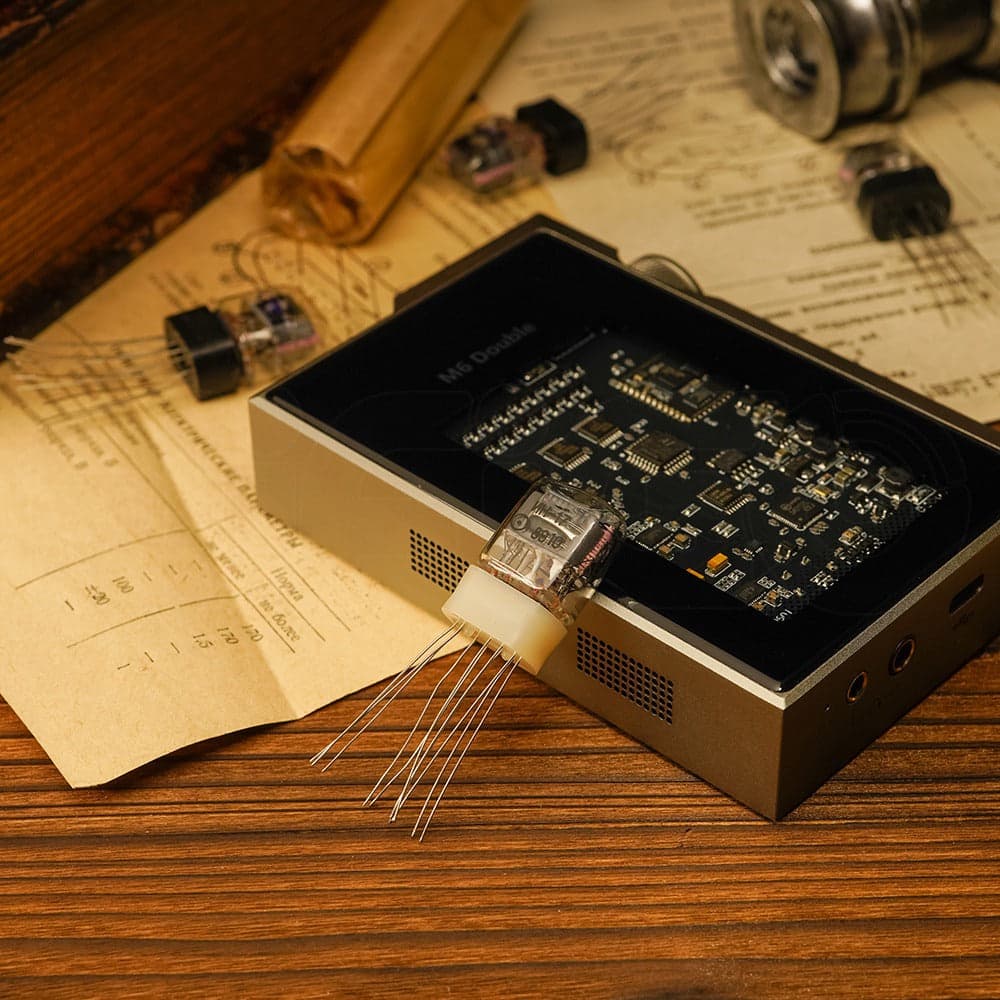
Approved coverage from Headfonia makes the M6 Double look like one of the more personality-rich portable DAC/amps in this list. The signature themes are transportable size, distinctive tube-and-Nixie design, clean transistor mode, smoother tube-inflected tone, strong dynamics with easy-to-moderate loads, and a warm, musically engaging presentation rather than pure analytic bite. Community first impressions generally line up with that while also warning that setup choices and matching matter. It does not present as a power monster for difficult planars, and the ergonomics are clearly secondary to the concept. But as a limited-run, feature-heavy transportable with real character, it stands out.

  • Bass: 8.2
  • Mids: 8.5, strongest axis
  • Treble: 8.0
  • Technicalities: 7.8
  • Soundstage: 8.0
  • Value: 8.0
2 sources

FiiO

FiiO K13 R2R

Headfonia’s approved coverage treats the K13 R2R as a real step up from the K11 R2R rather than a cosmetic refresh. The consistent message is warmer, denser, more organic sound than typical delta-sigma rivals, backed by more power, better staging, balanced outputs, LDAC, and useful EQ. Headfonia’s year-end awards reinforce the same picture by naming it the best R2R DAC/amp in its class. It is pitched as an all-in-one desk hub for listeners who want body and emotional pull without giving up modern conveniences. The tradeoff is less surgical precision than cleaner, leaner competitors, but that is also the point of the product.

  • Bass: 8.3
  • Mids: 8.6
  • Treble: 8.0
  • Technicalities: 8.2
  • Soundstage: 8.3
  • Value: 8.8, strongest axis
2 sources

FiiO

FiiO K17

Approved coverage frames the K17 as FiiO’s attempt to turn the old all-in-one DAC/amp formula into something more premium, more powerful, and more usable. Headfonia and Headphonesty both emphasize the flagship AKM platform, fully balanced design, high output power, clean background, and substantial transparency, while the CanJam roundup underscores how much attention the feature set and industrial design drew on the show floor. The consensus picture is of a desktop hub that aims for clarity, control, and big-system flexibility rather than an overtly colored signature. The main caveat is straightforward: it is no longer budget gear, and some buyers may not need this much power or UI complexity.

  • Bass: 8.4
  • Mids: 8.7
  • Treble: 8.7
  • Technicalities: 8.8, strongest axis
  • Soundstage: 8.6
  • Value: 8.1

Amplifiers

9published profiles

4 sources

Topping

Topping A30 Pro

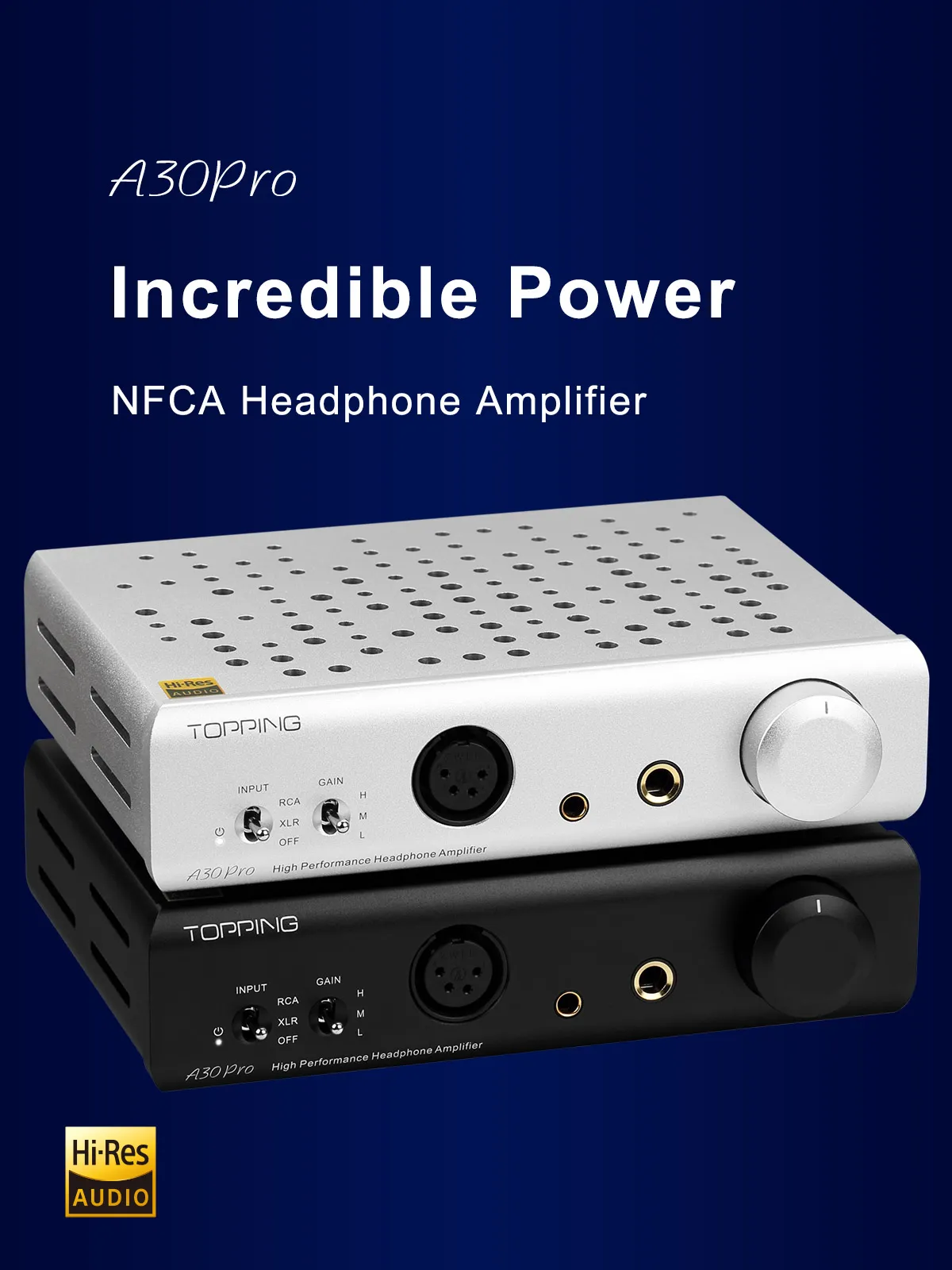
The A30 Pro is Topping's NFCA desktop headphone amplifier with an internal mains supply, and its reputation rests on bench behavior rather than voicing. Independent measurement put SINAD essentially as good as the test setup can resolve, called the signal-to-noise ratio at 50 mV output class leading, and recorded about 5.5W per channel into 32 ohms and 0.73W into 300 ohms single-ended, with balanced operation adding no meaningful power. Subjective coverage does not converge on a character. One listening account hears a mild euphony, romantic richness through female vocals and an overall warmer tilt, while others hear a sterile and neutral presentation, or a clean, linear one with note weight that is neither heavy nor light. Sensitive in-ear monitors come off well: separate listening tests with multi-driver customs and with an 8.5 ohm, 94 dB in-ear found the headphone outputs dead silent on low and medium gain, helped by three gain steps rated at -14, 0 and +14 dB. Staging is described as airy, with an expansive sense of recording space but elements inside it pulled relatively close, and imaging is called sharp and precisely localized. The complaints are practical rather than sonic: the case gets warm, there is no preamp mode and no remote, the rear pass-through outputs only go live when the amplifier is switched off, and the balanced jacks share the single-ended circuitry rather than doubling power.

  • Bass: 7.2
  • Mids: 7.8
  • Treble: 7.2
  • Technicalities: 8.3, strongest axis
  • Soundstage: 7.0
  • Value: 7.6
4 sources

Topping

Topping L70

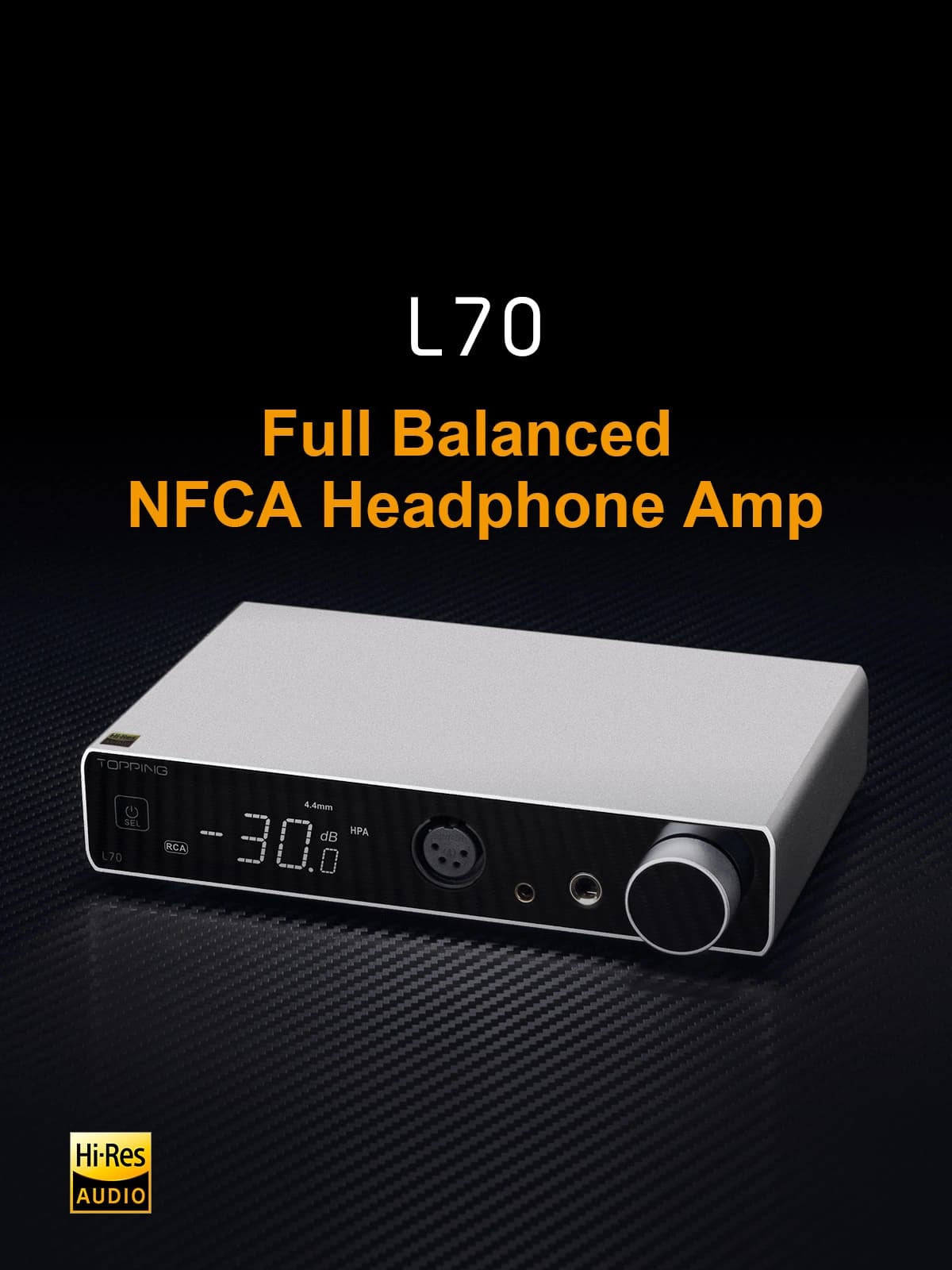
The Topping L70 is a desktop headphone amplifier built to add nothing of its own. Bench testing returned 120.4 dB SINAD, distortion products near -145 dB and a frequency response called as flat as needed, and the listening notes line up with that: a neutral signature absent of coloration, very linear, punchy and quick, with accurate vocals and kick drum impact that decays fast without bleeding into the midrange. Power is not a constraint. Measured output is about 7 W into 32 ohms balanced on high gain and 1 W into 300 ohms, enough that one reviewer doubted there is a commercially available headphone it could not drive, and hiss stays inaudible on sensitive IEMs such as the Campfire Solaris. Volume is a resistor ladder arrangement with eight memory settings and a level remembered per headphone output, joined by a remote and 6.35mm, 4.4mm and 4-pin XLR jacks. The complaints are practical rather than sonic: the volume relays are very loud when adjusting level, the menu driven setup is called cryptic and the features are described as not intuitively operable, and there is no negative gain setting, named as the one thing keeping the amp off the top of the measurement chart. Staging is where impressions part, described on one hand as vast and immersive with sounds seeming to reach beyond the headphones, and on the other as true to life in size rather than expansive.

  • Bass: 7.6
  • Mids: 7.7
  • Treble: 7.6
  • Technicalities: 8.6, strongest axis
  • Soundstage: 7.0
  • Value: 8.2
1 sources

Topping

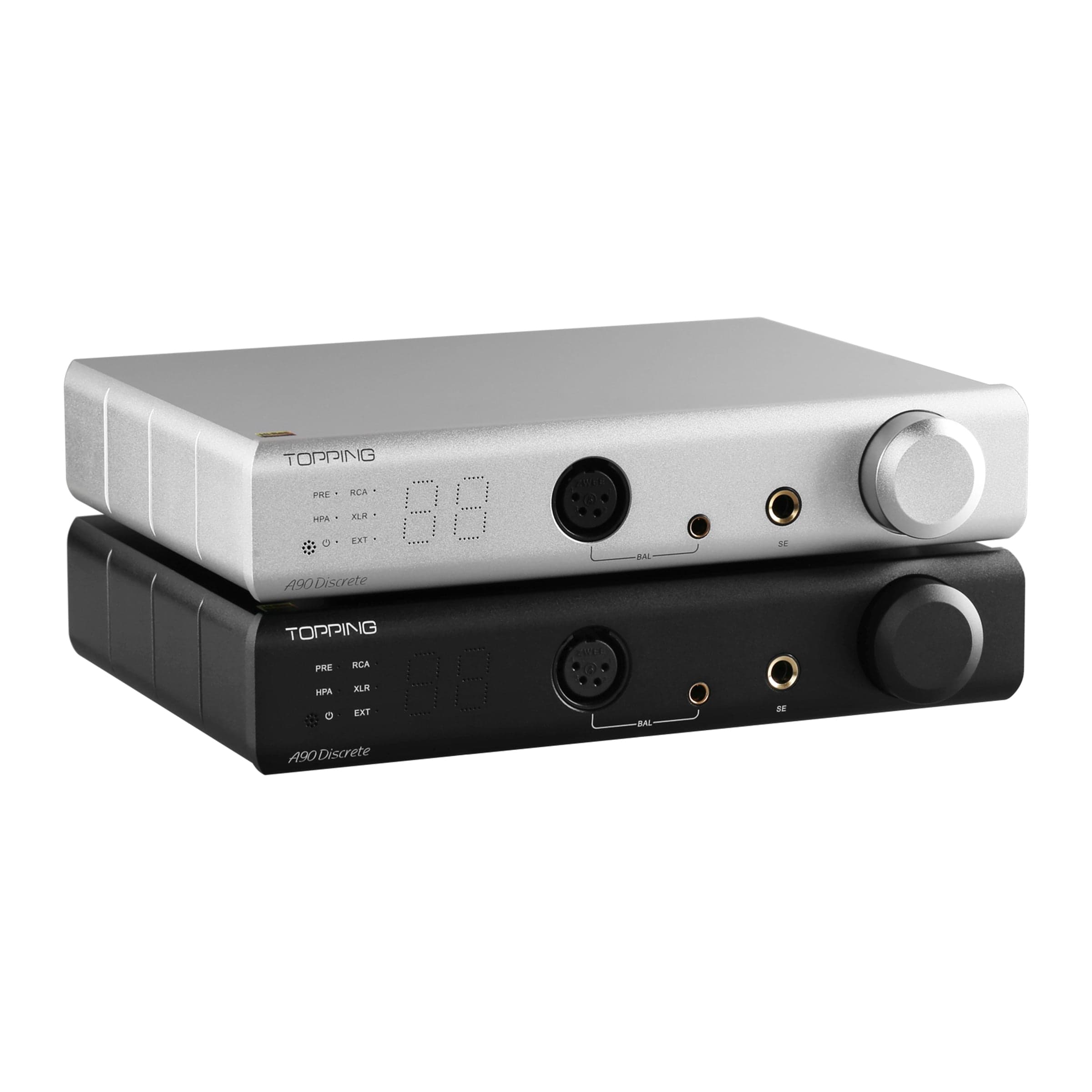
Topping A90 Discrete

The A90 Discrete rebuilt Topping's flagship headphone amp around fully discrete modules (39 transistors per module replacing op-amp cores) while keeping the 7.6W balanced output, XLR and 4.4mm connectivity, and preamp duty. Measured performance stays in the transparency-guaranteed class (SINAD around 119dB, a hair under the original A90), and the reviews-compendium consensus positions it as one of the definitive neutral flagship amps of its price era: performance that would have cost several times more a few years prior. The tradeoffs echo every Topping flagship: strict neutrality with no tonal romance, relay-clicking utilitarian ergonomics, and an original A90 that measures fractionally better for less if features don't matter.

  • Bass: 8.2
  • Mids: 8.2
  • Treble: 8.2
  • Technicalities: 8.7, strongest axis
  • Soundstage: 8.0
  • Value: 8.1
1 sources

Lake People

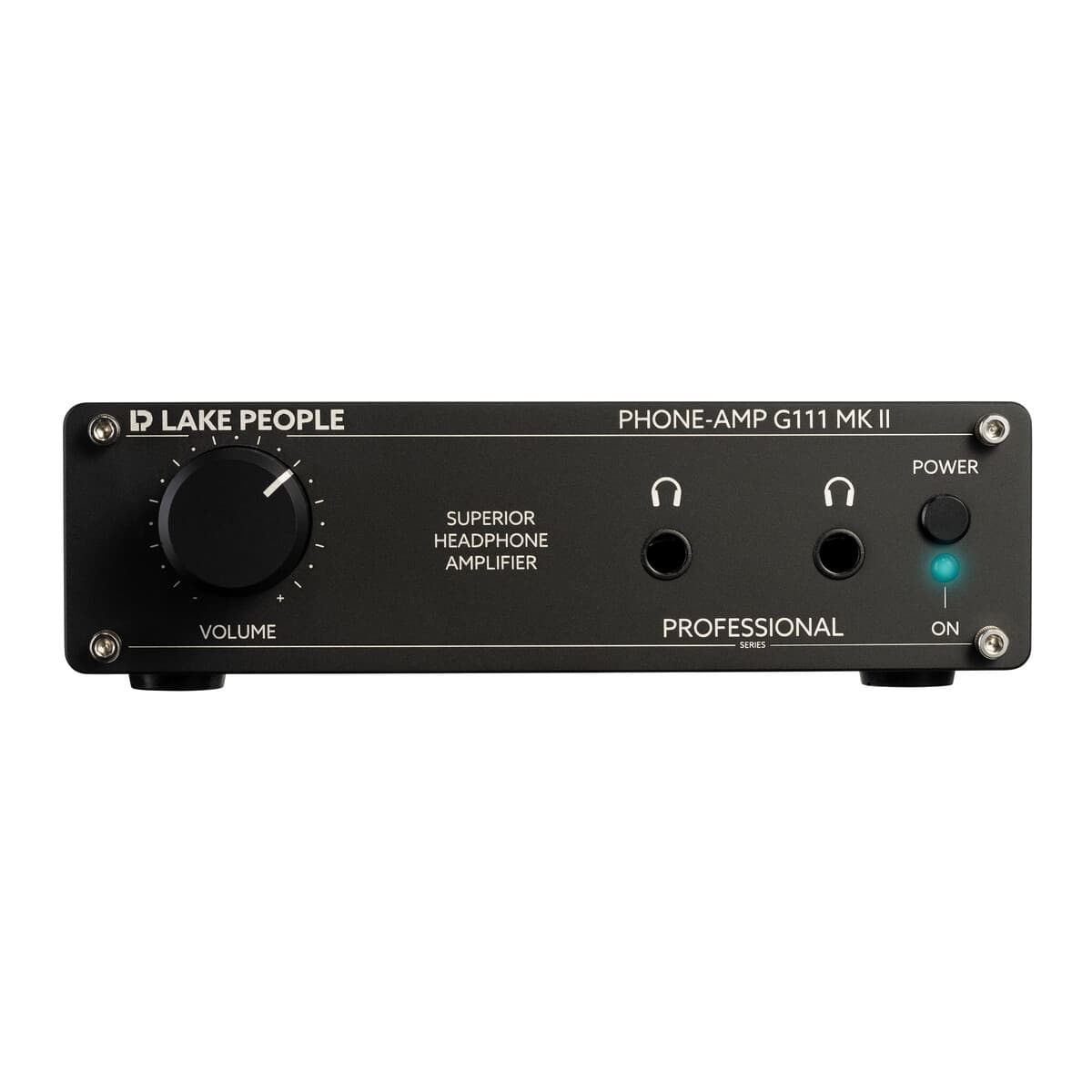
Lake People G111

The G111 is the German pro-audio answer to headphone amplification: discrete transistor output stages, a sizable toroidal power supply, and channel-separated circuitry from a company that builds studio gear first. The long-standing consensus across member reviews rates it a rock-solid mid-fi reference: studio-neutral with a hint of smoothness, excellent detail retrieval, and power reserves that play nicely with nearly any headphone, equally at home as a monitor controller or a living-room amp. Its weaknesses are entirely cosmetic and conceptual: utilitarian industrial styling, amp-only functionality, and zero interest in coloring the signal for entertainment.

  • Bass: 8.0
  • Mids: 8.1
  • Treble: 8.0
  • Technicalities: 8.2, strongest axis
  • Soundstage: 7.9
  • Value: 8.0
1 sources

Schiit

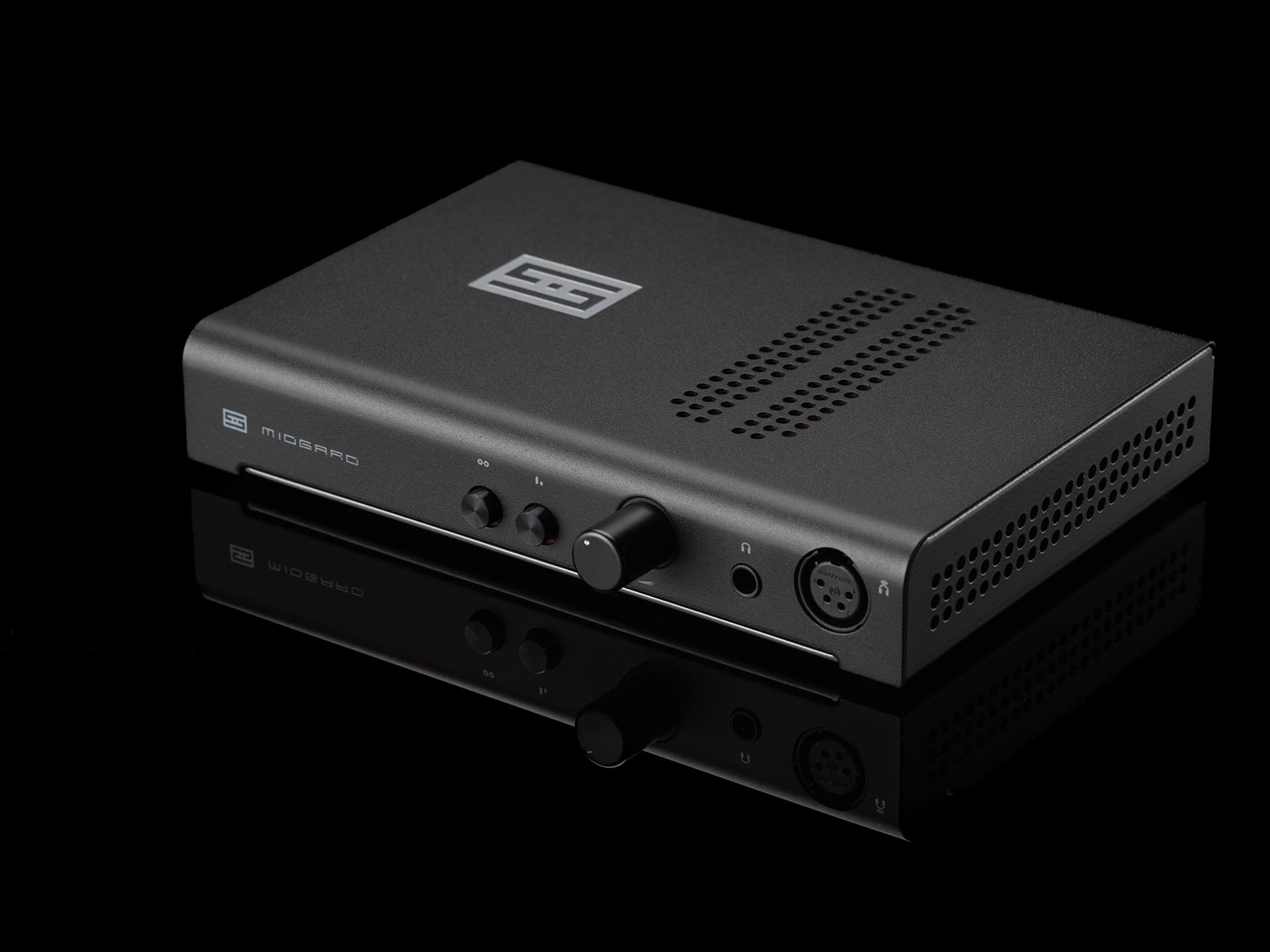
Schiit Midgard

The Midgard is the amp where Schiit's measurements finally matched its cult following: the discrete, op-amp-free Halo topology makes it the best-measuring, highest-power discrete headphone amp the company has built, with owner-run tests showing it besting the Drop x THX AAA 789 in some metrics. Impressions converge on a clarity-and-separation-first presentation: cleaner than the Magni+, more neutral than the warm Asgard tilt, with a midrange that stands out against the pricier Jotunheim 2. Its halo, so to speak, is doing all this at Schiit's usual aggressive pricing; the caveats are the usual Schiit ones: utilitarian styling, clicky relay ergonomics, and a strictly amp-only box that still needs a DAC.

  • Bass: 8.1
  • Mids: 8.3
  • Treble: 8.1
  • Technicalities: 8.4
  • Soundstage: 7.9
  • Value: 8.6, strongest axis
3 sources

Topping

Topping A70 Pro

Approved coverage consistently paints the A70 Pro as a measurement-led powerhouse that still manages to feel practical in a real setup. Headfonia focuses on the new T’ang-ku-la module, huge power reserves, low noise, balanced architecture, and expanded feature set, while Head-Fi coverage emphasizes flagship-level amp ambition, plentiful connectivity, and strong preamp behavior. Bloom’s product notes reinforce the same idea: serious dynamic range and headroom under $500. The obvious caveat is that it is overkill for many users, especially sensitive-IEM listeners, but for desktop headphone duty it looks like one of the strongest value plays in the segment.

  • Bass: 8.8
  • Mids: 8.8
  • Treble: 8.8
  • Technicalities: 9.0, strongest axis
  • Soundstage: 8.7
  • Value: 9.0
2 sources

Ferrum

Ferrum OOR

The OOR is Ferrum's fully balanced, fully analog flagship headphone amp: 8W into 60 ohms, discrete circuitry, and a design philosophy built around its optional HYPSOS hybrid power supply. Headfonics scored it 9.3/10, calling it a very good solid-state amp and preamp alone that becomes a great amplifier with HYPSOS; Headfonia's verdict matches, hearing the power-supply difference as easily audible. Consensus character: powerful, dynamic, and musical solid-state with more soul than measurement-first rivals. The costs are structural: $1,995 for the amp, another $1,195 for the HYPSOS that unlocks its best, and no DAC or features beyond pure amplification.

  • Bass: 8.7, strongest axis
  • Mids: 8.6
  • Treble: 8.4
  • Technicalities: 8.5
  • Soundstage: 8.4
  • Value: 7.5
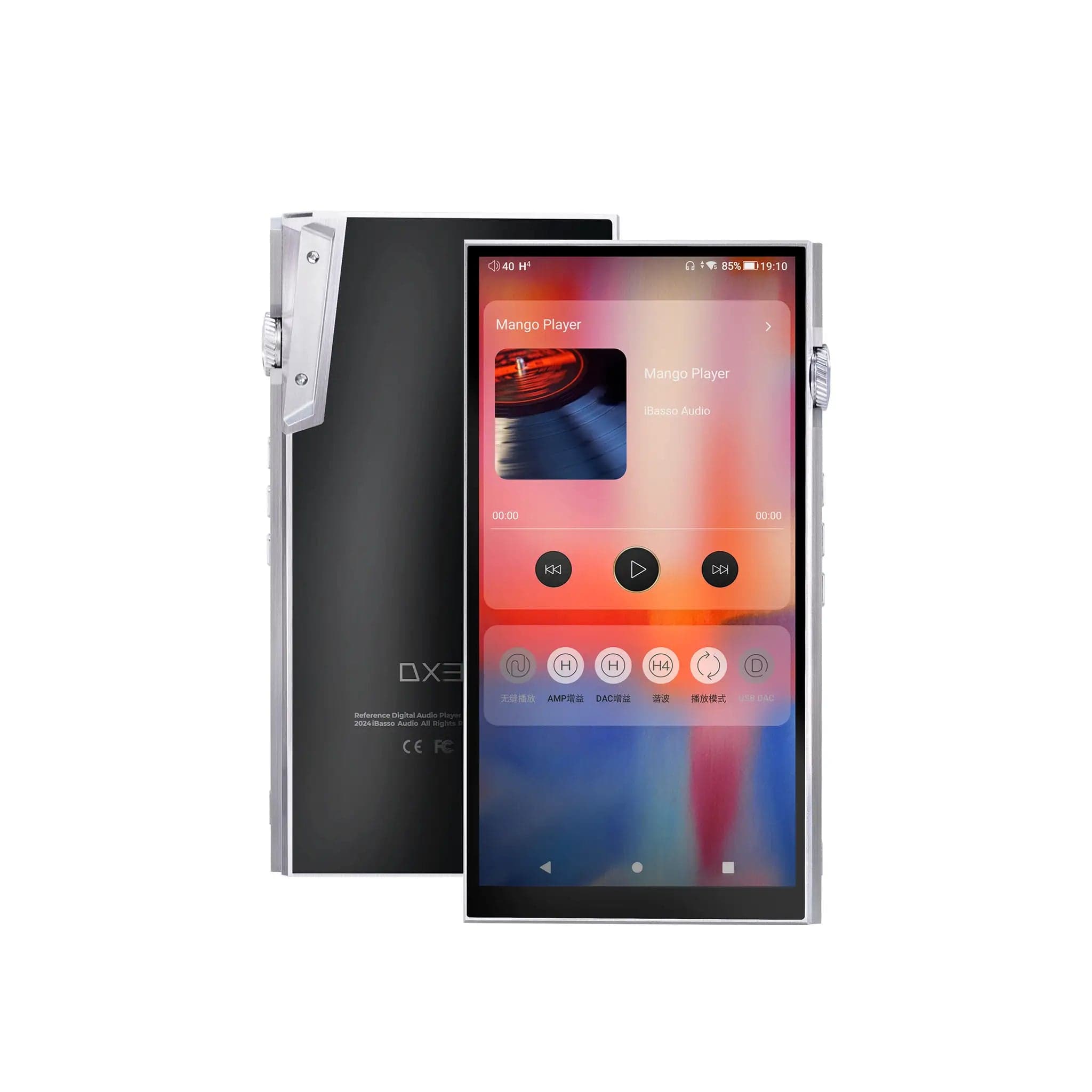
2 sources

Feliks

Feliks Echo 2

The Echo 2 (since renamed Echo Classic in Feliks Audio's lineup) is the Polish builder's entry OTL tube amplifier: hand-made 6N6P/ECC85-family tube stages, around 350mW of output, and the warm, euphonic OTL presentation the line is known for. Approved coverage of the Echo platform (the original Echo review and the Echo Vibe offshoot, which earned Headfonia's Highly Recommended award for boutique-grade quality) consistently lands on the same verdict: an affordable, beautifully built gateway into real tube sound, best matched with high-impedance dynamics. The structural caveats define it: OTL topology means low-impedance headphones and IEMs are poor matches, output power is modest, and detail-first listeners will find it deliberately romantic. Note: this dossier leans on Echo-line coverage, since the Echo 2 revision itself lacks a dedicated approved-site review.

  • Bass: 7.4
  • Mids: 8.3, strongest axis
  • Treble: 7.4
  • Technicalities: 7.2
  • Soundstage: 7.9
  • Value: 7.9
3 sources

Cayin

Cayin C9

The C9 is the reference portable headphone amplifier of its generation: a $1,999 fully discrete, battery-powered, DAC-less amp with dual Korg NuTube tubes, switchable tube/solid-state timbre, and Class-A/AB operation modes. Headfonics calls it Cayin's most refined implementation of its dual-operation and timbre technology and credits it with revitalizing tubes-on-the-go; MajorHiFi and the long Head-Fi showcase agree it turns any competent source chain into an endgame transportable rig. The caveats are inherent: it is big, heavy, and expensive, needs a separate source/DAC, and battery life drops hard in Class-A tube mode.

  • Bass: 8.7
  • Mids: 8.8, strongest axis
  • Treble: 8.5
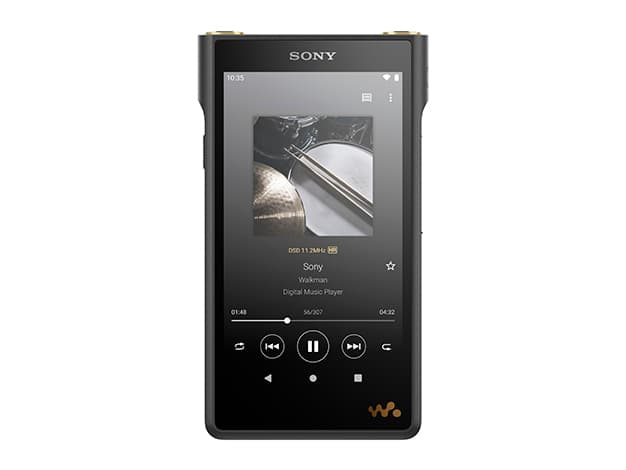
  • Technicalities: 8.6
  • Soundstage: 8.6
  • Value: 7.4