21 reviews, 76 product profiles, 59 launches filed

Everything you can hear is real.

Reviews measured before they are described, a product finder that scores every profile on the same six axes, and new releases as they are announced. Every score carries its reasoning and every claim carries its source.

Latest reviews

Written by us, measured first, and scored on every axis we test.

All 21 reviews
DAPs
IEMs
DACs

New releases

Launches as they are announced, with the announcement attached. Specifications are the maker's claims, not our measurements.

All 59 launches

Fresh in the product finder

Recently researched profiles, photographed ones first. Each one condenses the cited reviewers into six comparable scores.

All 76 profiles
IEMs

Kiwi Ears

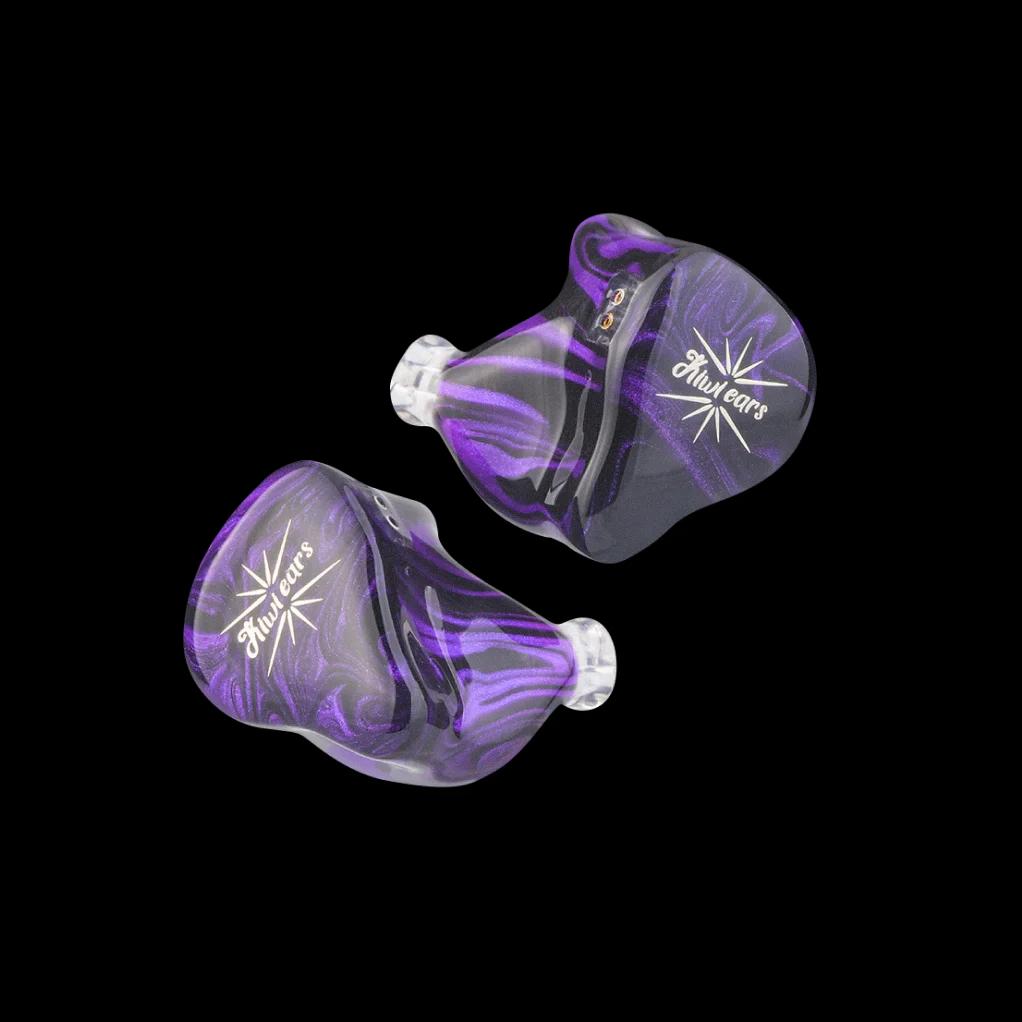
Kiwi Ears Quartet

The Kiwi Ears Quartet is a $109 hybrid with two 10mm dynamic drivers for the low end and two balanced armatures, in a lightweight resin shell with two rear switches that give four tunings. Bass is the headline: dense, deep and impactful with strong mid-bass, called the star of the set in one review. The cost is clarity higher up. Lower mids can sound veiled or muddy behind the bass, the upper mids and treble are relaxed and smooth rather than sparkly, and one account hears the whole presentation as dark and slightly compressed. Opinions split on how much the switches matter, from four distinctly different IEMs to modest changes, and on resolution, from surprising detail retrieval to a lo-fi, radio-like sound. One reviewer also hears upper peaks that make some vocals harsh, while others describe the treble as smooth and non-fatiguing. The soundstage is average, with decent separation. Comfort is praised, passive isolation is good, and it is easy to drive from a phone. It suits bass-forward, warm-sound listeners and electronic or modern pop playlists; listeners wanting a neutral or highly resolving IEM are pointed elsewhere.

Strongest: Bass 7.86 sources

IEMs

Noble Audio

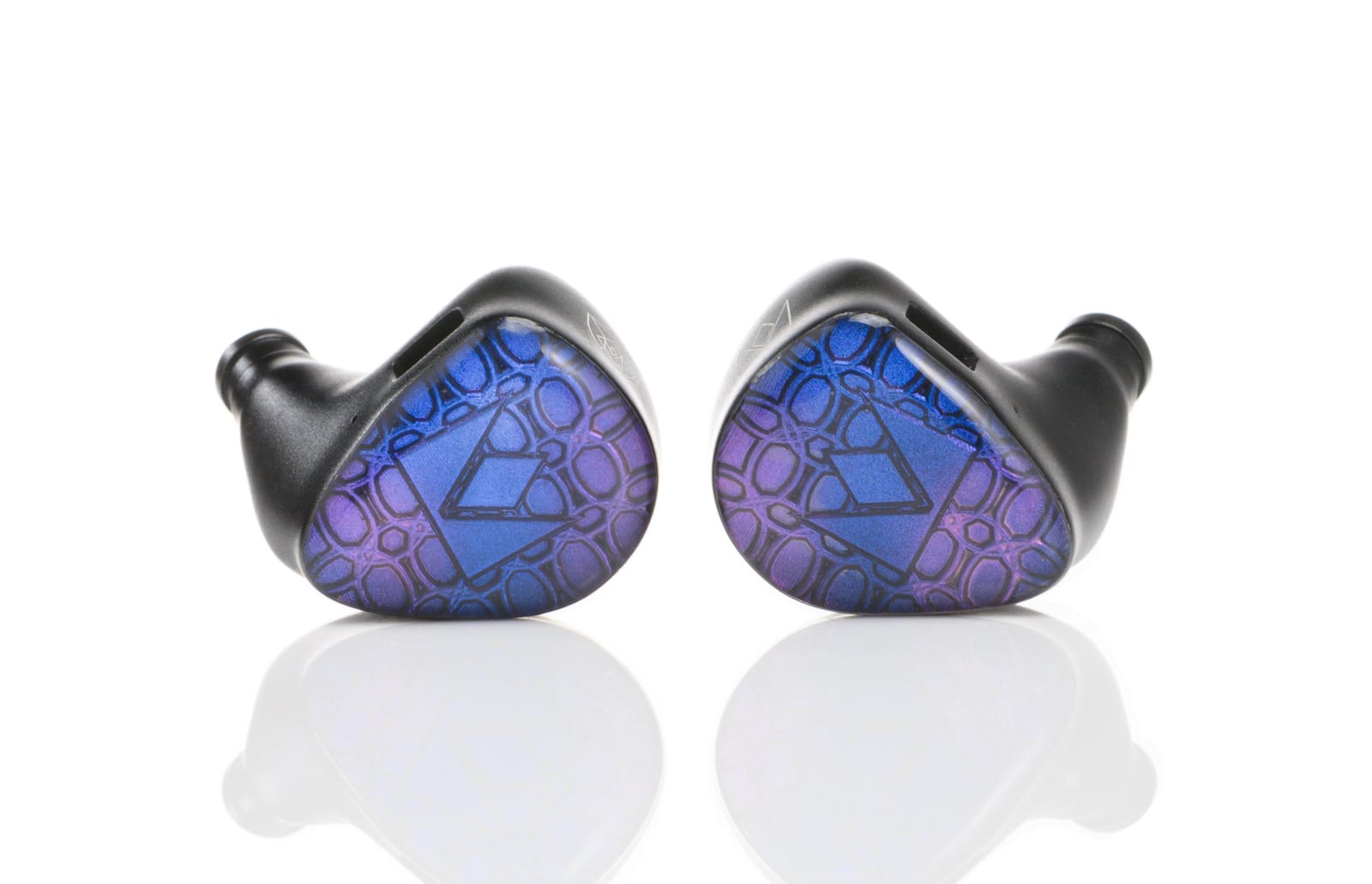
Noble Audio Knight

The Knight is Noble Audio's most affordable IEM at $289: a tribrid with a 10mm dynamic driver, a Sonion balanced armature and a piezo super tweeter in CNC-machined aluminium shells with an acrylic faceplate. Its identity is the midrange, described as rich, emotive and natural in timbre, with acoustic instruments sounding lush for the price. Bass is controlled and balanced rather than boosted, with limited sub-bass in one account and punchy mid-bass in others, but never bloated. Imaging is precise and placement easy to pinpoint, yet stage size splits opinion: large in one review, modest in dimensions in another, and deeper than it is wide in a third. Treble splits as well. One listener hears it bright with a raw edge and slightly sharp female vocals; others hear it smooth or slightly dark, with one noting no sibilance. Detail is good but not class-leading, with micro-detail slightly muted by the relaxed top end. It is easy to drive and the stock 8-strand cable is among the better ones at the price, but the cable ships with a 4.4mm balanced plug only and no adapter, there is no hard case, and the shells are large with long nozzles that may not suit small ears. The result is an easy recommendation for vocal and acoustic listeners who value tone over sparkle.

Strongest: Mids 8.04 sources

IEMs

Kiwi Ears

Kiwi Ears Astral

The Kiwi Ears Astral is a $299 hybrid in-ear monitor with one 10mm bioceramic dynamic driver and six balanced armatures per side in a resin pseudo-custom shell. Its reputation rests on staging: imaging is described as precise and pinpoint, with good width and depth for the price, and one account calls it the most accurate soundstage that listener had heard. Treble is heard as clear and airy without harshness or fatigue, though one listener finds it on the polite side next to brighter rivals. The bass is where impressions part. One review calls it powerful and at times excessive; others hear a lifted sub-bass with a restrained mid-bass that costs punch, while another finds the mid-bass thud more satisfying than the sub-bass. The midrange splits too: warm and full-bodied in one reading, slightly thin in the lower mids and short of warmth in another, with vocals described as forward and natural. Fit is comfortable despite a wide shell, passive isolation is above average, and the modular cable with 3.5mm and 4.4mm plugs is praised, while the ear tip selection is called sparse. It is easy to drive from a phone or dongle. It is judged a strong technical performer for the money, with one verdict noting that it comes priced high against strong competition.

Strongest: Soundstage 8.24 sources

Tools and guides

Overlay measurements, check whether a source can drive a pair, learn to read a graph, and catch a price worth acting on.

How we score

Measured first, described second.

A verdict that cannot be checked is an opinion. Every review is built from the same three steps, and each one is published alongside the score.

Read the full methodology
  1. 1

    Measure

    The unit is put on the bench before anyone writes a word. Frequency response and the physical fit are recorded first.

  2. 2

    Score

    Each axis is rated on its own, so a single strong trait cannot carry the whole verdict.

  3. 3

    Publish

    The axis scores, the reasoning, the author and the test date ship together. Affiliate links never change a score.

Find my sound

Tell us how you listen. We will narrow 76 profiles down to the ones that fit.

Start the finder

Five questions. Affiliate links never change a score.